Best Place for Custom Lab Diamonds: Bespoke Design Services
Custom jewelry should feel like a memory made wearable. When the diamond is grown in a lab, you gain the artistry of bespoke design and the clarity of modern science: ethically aligned, precisely engineered, and remarkably consistent. As a designer who has guided many clients from first sketch to shimmering reveal, I’ve learned that choosing the right place to commission a custom lab-diamond piece matters as much as choosing the stone itself. The finest ateliers and online specialists do more than sell you a diamond; they translate a life moment into proportions, angles, hue, and light.
What a Lab Diamond Really Is—and Why That Matters
A lab-grown diamond is a real diamond. It is pure carbon with the same crystal structure, hardness, brilliance, and fire as mined diamond. Advanced methods—HPHT (high pressure–high temperature) and CVD (chemical vapor deposition)—replicate the extreme conditions of natural formation in controlled environments. The result is a stone optically and physically indistinguishable to the eye, with subtle growth features detectable only by specialized instruments.
Industry authorities and grading laboratories evaluate lab diamonds by the same 4Cs as mined stones. Reputable reports from GIA, IGI, or GCAL specify cut, color, clarity, carat, measurements, and the growth method used. That single document is your diamond’s passport; it should accompany your stone from proposal to appraisal.
Why Bespoke with Lab Diamonds
Bespoke lab-diamond design combines the creative freedom of custom work with the value and ethics many modern buyers prioritize. Based on contemporary market guidance from specialty jewelers, a lab-grown diamond typically costs about 30–50% less than a mined stone of comparable quality. That difference can be redirected into a larger carat, finer cut, an heirloom-worthy setting, or a more elaborate design motif. Sustainability remains central for many buyers as well. Analyses frequently cite reduced land disturbance and water use for lab growth compared with traditional mining, while carbon impact varies with the energy source; the prudent move is to ask your jeweler or producer about power mix and traceability. In other words, you can tailor size, silhouette, and symbolism without sacrificing sparkle or conscience.
Where to Commission Your Custom Piece
The “best place” depends on your priorities—speed and selection, tactile collaboration, or white-glove artistry. The strongest partners share three traits: transparent certification, design fluency, and a bench team capable of executing complex details. Below is a practical comparison to help you shortlist the right channel.
Commissioning Channel |
Where It Excels |
Key Considerations |
Typical Experience |
Broad stone inventory, powerful filters, HD/360° visuals, competitive pricing, convenient returns |
Vet the return window and warranty; confirm certification and stone videos; ensure secure payment and insured shipping |
Efficient, data-rich selection and fast iteration on CAD, with chat or video design consults |
|
Independent local jewelers |
Hands-on design, precise sizing, tactile metal/finish tests, in-person stone review |
Smaller in-stock inventory; timelines vary by workload; request written specs and iteration policy |
Collaborative bench-side experience with physical prototypes when needed |
Bespoke studios/concierge ateliers |
Highest design control, signature craftsmanship, heirloom-level finishing |
Premium pricing; more lead time; schedule design reviews upfront |
Deep, narrative-led design process from sketch to final polish |
Hybrid models (online-to-in‑store) |
Combine digital stone selection with local fitting and finishing |
Be clear on who insures the stone in transit and who is accountable for final QC |
Flexible bridge between selection scale and in-person assurance |
National chains |
Ubiquitous access, financing options, standard policies |
Design range may be template-driven; request lab reports and custom specs in writing |
Consistent process with predictable service levels |
Online leaders frequently provide extensive stone imagery, customer reviews, and 30+ day returns, while independent studios excel at translating a personal story into proportion, profile, and micro-detailing. A hybrid path—shortlisting stones online and finishing design locally—often yields the best of both.
How to Judge a Bespoke Service Before You Say Yes
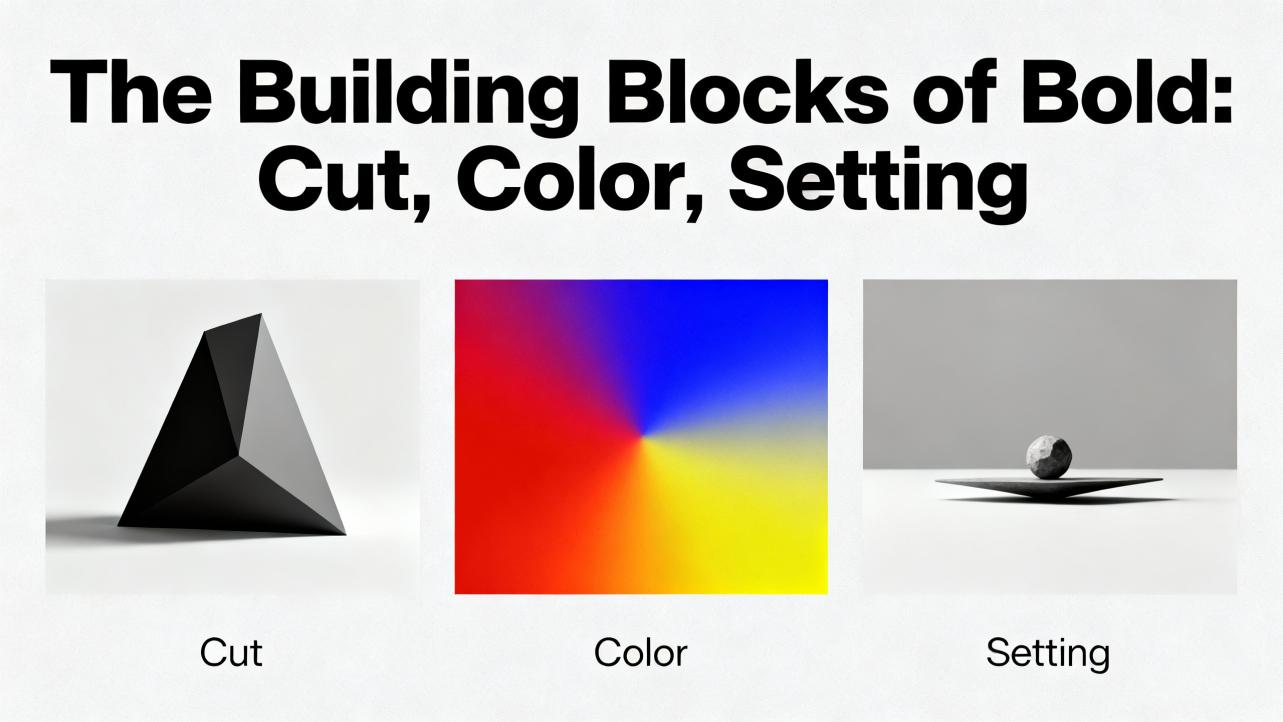
Begin with the stone, then the setting, and finally the service. Insist on third-party grading from GIA, IGI, or GCAL that lists the 4Cs, dimensions, and growth method (CVD or HPHT). For performance, prioritize cut above all, because cut governs how light is captured, returned, and released as scintillation.
Ask for light-performance data or clear, well-lit videos. Review CAD renders with millimeter callouts for shank thickness, prong style and coverage, stone height, and side-stone alignment. Clarify the iteration policy, lead times, warranty, and repair pathway. A well-run service will happily discuss return windows, sizing protocols, insurance, and how they handle annual inspections to protect your piece over time.
Spec or Service |
Strong Starting Point |
Why It Matters |
Cut grade |
GIA Excellent or AGS Ideal equivalent |
Maximizes sparkle and masks minor color or clarity tradeoffs |
Color |
G–H for value in white metals; D–F when a pure icy look is critical |
Near-colorless ranges deliver a white face-up look at smart prices |
Clarity |
VS1–VS2 for “eye-clean”; consider SI1 only with stone-specific videos |
Keeps inclusions unobtrusive without overspending on invisible perfection |
Carat and size |
For everyday rings, 1.00–1.50 carats is widely popular; confirm millimeter spread |
Face-up dimensions depend on cut and shape, not just carat weight |
Certification |
GIA, IGI, or GCAL with report number and growth method |
Ensures identity, disclosure, and objective grading |
Design process |
CAD with measurable specs; clear iteration and approval steps |
Reduces surprises and locks in ergonomics and durability |

Design Foundations: Shape, Setting, and Lifestyle Fit
Shape sets the mood of a piece before a single word is spoken. Round brilliant is timeless and maximizes light return. Elongated shapes like oval, marquise, and pear create an elegant, finger-lengthening effect and can look larger for the same carat weight. Princess and emerald cuts read modern and architectural; emerald’s step facets reward immaculate polish and symmetry.
Match the setting to your daily life. A low-slung solitaire with protective prongs is resilient for busy hands. A bezel can sleekly protect tips on pears and marquises. Halos amplify presence at lower carat weights. For wide bands, balance center-stone height with comfort. If fingers are shorter, elongation flatters; if wider, round or cushion can create lovely harmony. These are practical heuristics I use at the bench, refined across many consultations.

Quality Signals Beyond the 4Cs
Lab-grown diamonds, like natural, manifest subtle traits that influence appearance. Fluorescence can lower price and, at Strong levels, may create a milky cast in certain lights; judge stone-by-stone. HPHT-grown stones can exhibit tiny metallic inclusions; CVD-grown stones can show growth striations or color zoning if production and screening are not optimized. None of these is a deal-breaker when the stone looks bright and crisp in real viewing. What matters is honest disclosure and your own eyes—preferably through high-resolution video or in-person inspection under neutral lighting. You do not need to become a gemologist to select beautifully; you do need a partner who screens rigorously and explains clearly.
Environmental and Ethical Realities, Clearly Stated
Modern buyers often favor lab-grown because they avoid the heavy land disturbance of mining and can be produced with significantly lower water use. Reported carbon footprints vary widely, largely tied to energy sourcing. Some producers use renewable power, while others operate in grids with higher fossil-fuel intensity. The prudent approach is to request energy and sourcing transparency from your vendor and to weigh ethics holistically, including labor and community impact. As the category matures, major brands embracing lab-grown signal growing acceptance; the right bespoke partner will be comfortable discussing the nuances without slogans.

Budgeting the Bespoke Journey
A sensible budget includes the center stone, any side stones, metal, CAD and design time, hand-finishing, applicable taxes, insured shipping, and insurance after purchase. Prioritizing cut quality typically gives the most dramatic visual upgrade per dollar. For many clients, near-colorless G–H and VS clarity deliver an “eye-clean,” lively look that tracks beautifully under both daylight and evening LEDs, leaving room for a better cut or more distinctive design. Online-first buyers often enjoy strong pricing and selection; studio-first buyers often find incomparable craftsmanship and fit. If you are unsure, begin online to calibrate value, then bring your short list to a jeweler whose bench you trust.
The Custom Process in Practice
A confident process reads like a well-edited screenplay. You begin with a design conversation to define symbolism, silhouette, and daily practicality. You then select a stone with certification, dimensions, and video. CAD renders follow, with precise measurements for height, spread, and curvature. Physical prototypes are used when necessary for complex architecture. Casting and setting proceed only after approval. Final polish, stone seating checks, and prong tension tests precede delivery. A reliable partner provides an appraisal for insurance, explains care, and schedules inspections. In my studio, I encourage clients to photograph prototypes on their hand in everyday light; our eyes are particular, and a camera reveals balance that a loupe cannot.

Care, Maintenance, and Protection
Diamonds are hard, yet jewelry is still jewelry. Clean your piece every few weeks with warm water, mild soap, and a soft brush, rinsing thoroughly and drying with lint-free cloth. Avoid harsh chemicals on plating and sensitive settings. Remove rings for swimming, gym sessions, or heavy housework. Schedule professional inspections once or twice a year to tighten prongs and refresh finish. Keep your grading report, sales records, CAD approval, and appraisal together; insure valuable pieces and reappraise periodically as pricing trends evolve. Some sellers offer lifetime cleaning and inspection plans—use them.
Pros and Cons of Lab-Grown for Custom Work
Clarity about tradeoffs is a hallmark of good counsel. Lab-grown’s primary advantages are value, size-for-budget, and design freedom, with fancy colors often more accessible. They also align with many buyers’ ethical preferences and can be sourced with transparent documentation. On the other hand, the secondary market for lab-grown diamonds is less developed than for mined stones, so resale expectations should be modest. Market prices can evolve as production scales. For most bespoke clients, the goal is enduring beauty and personal meaning rather than speculative value; set expectations accordingly.
Aspect |
Lab-Grown Strengths |
Watchouts |
Aesthetics and performance |
Same sparkle, fire, and hardness as mined when well cut |
Performance still lives or dies by cut; vet videos and reports |
Budget and size |
About 30–50% savings enables larger carat or finer craftsmanship |
Prices may shift as supply and tech evolve |
Ethics and sustainability |
Avoid mining; potential for renewable-powered growth and lower water use |
Carbon impact varies by energy source—request transparency |
Customization |
Easier access to fancy colors and matched stones |
Screen for fluorescence, zoning, and growth artifacts |
Long-term value |
Emotional and aesthetic value lead |
Resale liquidity is generally limited |
My Shortlist: When Each Place Is “Best”
If you prize choice and speed, online specialists with HD/360° videos and generous return windows are often best-in-class. If you prize tactile collaboration and fit, an independent local jeweler with strong bench work will feel tailor-made. If you prize heirloom-level architecture and narrative design, a concierge atelier will justify its premium through detail alone. As a practitioner, I hold high confidence in this scenario-based guidance; the deciding factor is not a brand name but whether their process gives you clarity at each step and artisanship you can feel at arm’s length.
Takeaway
Start with the light, not the label. Choose a lab diamond for what it lets you do: specify the proportions, polish, and poetry of a piece that will outlast the moment it commemorates. Work with a partner who treats reports as passports, who can show—not just say—how a design will sit, and who stands behind their work with inspections and care. When you find that partner, the “best place” for custom lab diamonds is the one that makes your vision inevitable.
FAQ
Are lab-grown diamonds real, and will they last?
Yes. Lab-grown diamonds are pure carbon crystals with the same hardness, brilliance, and durability as mined diamonds. With responsible wear and periodic maintenance, they are built to last for generations.
Which is better for custom work—HPHT or CVD?
Both HPHT and CVD produce real diamonds; what matters most is the individual stone’s cut, clarity, color, and light return. HPHT can show tiny metallic inclusions; CVD can show growth lines or color zoning. Evaluate stone-by-stone with grading reports and clear videos. Confidence: high for cut-first selection; method preference varies case by case.
Do lab-grown diamonds hold value?
The emotional and aesthetic value is enduring, while the secondary market for lab-grown diamonds remains less developed than for mined stones. If resale matters to you, discuss upgrade or trade-in policies with your jeweler. For most custom buyers, the priority is beauty, ethics, and personal meaning rather than investment. Confidence: high, based on industry guidance from gemological educators and buying guides.
How do I verify quality and authenticity?
Insist on an independent grading report from GIA, IGI, or GCAL listing 4Cs, measurements, and growth method. Pair the report with high-quality videos or in-person inspection under neutral lighting. Light-performance imagery, when available, is a plus.
How long does a custom piece take?
Timelines vary by complexity and the studio’s workload. A simple solitaire can be swift; elaborate designs with halos, engravings, or matched side stones require more time for CAD, prototype approval, and setting. Align on milestones and request written timelines before placing a deposit. Confidence: medium, because timing depends on design scope and season.
What are the best specs for beauty on a sensible budget?
Begin with an Excellent or Ideal-level cut. For many buyers, G–H color and VS1–VS2 clarity deliver a bright, “eye-clean” look that sings under both daylight and evening lighting, leaving budget for refined craftsmanship. This aligns with guidance from reputable jewelers and buying resources focused on performance and value. Confidence: high, tested across many client builds.
Notes on sources and expertise: Definitions, grading practices, and 4Cs priorities reflect guidance widely shared by GIA, IGI, and the International Gem Society. Pricing ranges, market adoption, and care recommendations align with contemporary jeweler guides and educational content from established retailers and studios. Environmental points acknowledge both sustainability claims and the need for energy-source transparency, a nuance echoed by leading education resources. Where I offer scenario-based recommendations on commissioning channels and spec targets, they stem from first-hand design practice and are stated with the confidence I indicate.
References
- https://www.gia.edu/doc/Strongly-Colored-Pink-CVD-Lab-Grown-Diamonds.pdf
- https://news.asu.edu/20200914-new-method-design-diamond-lattices-other-crystals-microscopic-building-blocks
- https://www.academia.edu/129555736/New_Era_of_Lab_Grown_Diamond
- https://pppl-new2.princeton.edu/news/2024/ensuring-bright-future-diamond-electronics-and-sensors
- https://www.gemsociety.org/article/lab-diamonds-buying-guide/
- https://dallasdiamondfactory.com/2024-guide-to-lab-grown-diamonds-everything-you-need-to-know/
- https://www.diamondsabove.com/blog/the-4-cs-of-lab-created-diamonds-what-you-need-to-know?srsltid=AfmBOopvTdhV1E6ehjXl6HPtSG0hjlucLoQ3SO2lSZxpLGiP1T6rIedT
- https://www.loosegrowndiamond.com/how-to-make-your-custom-ring/?srsltid=AfmBOoqmOaSuy9L_ugnVixgvRT2HRe2k5MRXy3JwohjNnD1OSRF8YcVl
- https://msblue.com/pages/explore-the-4cs-of-lab-grown-diamonds?srsltid=AfmBOooiqQNc4PHgWSXfhfGyBtX26GtuqXAlWYrTrHwC3DZ3ZzCk4jfY
- https://www.withclarity.com/pages/lab-diamonds?srsltid=AfmBOoqqmU02U-fVfZZnydxKg7HAQQMPGyPi5iP3lMs72YU6KOyCG7dJ