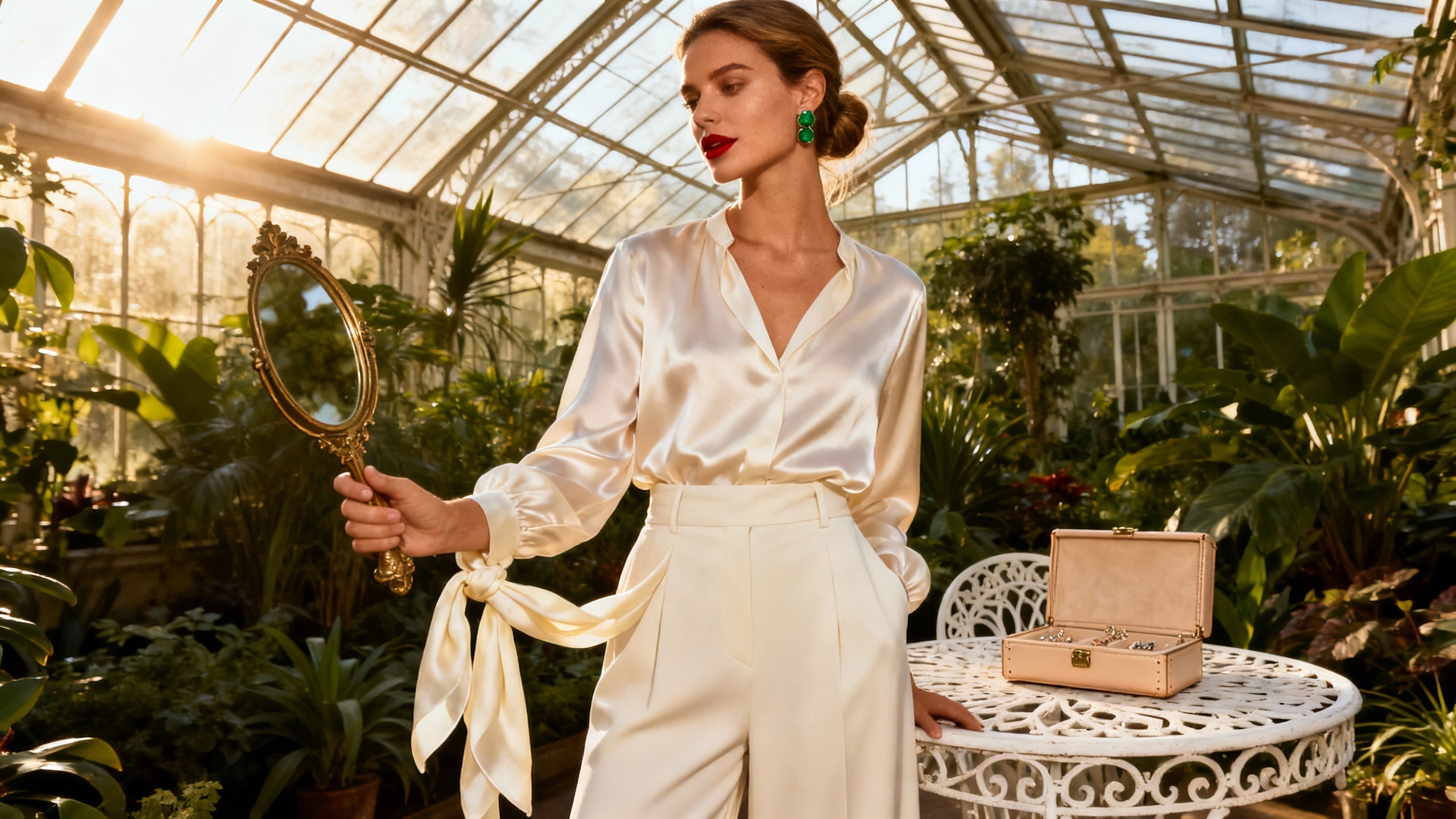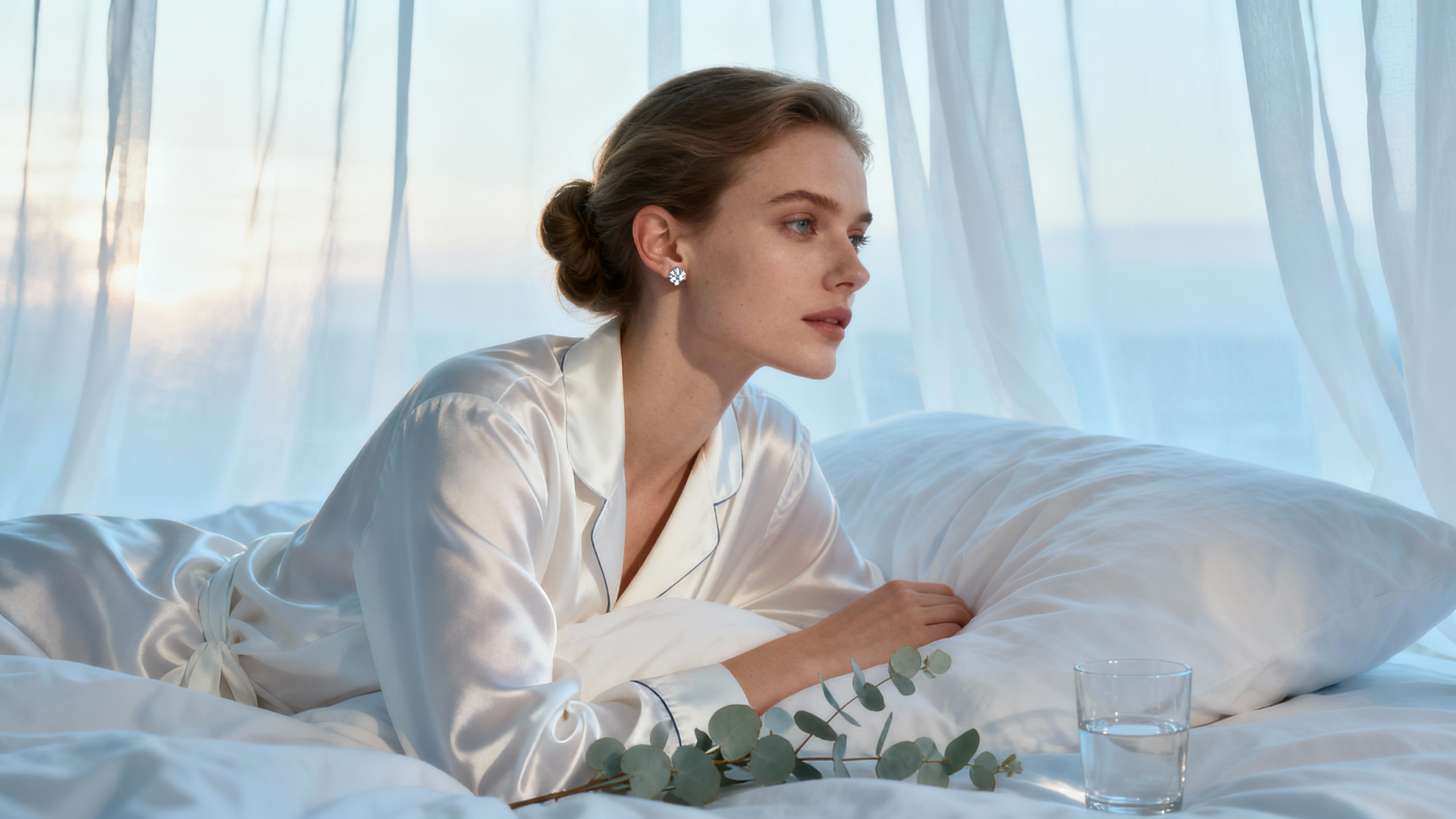
Lab Diamond Earrings for Bridesmaids: Thank Your Squad in Style
The bridesmaids who zip your dress, calm your nerves, and bring the laughter deserve a thank‑you that feels as timeless as the day itself. Lab diamond earrings are that rare gift: luxurious yet wearable, sophisticated yet effortless, and—most importantly—deeply personal. As a connoisseur who has guided countless wedding parties through the sparkle decisions that photograph beautifully and wear comfortably from the ceremony to the last dance, I’ll show you how to choose lab diamond earrings that honor your squad in style and stand the test of time.
Why Lab Diamonds Make Exceptional Bridesmaid Gifts
Lab-grown diamonds are real diamonds. They share the same crystal structure, hardness, and brilliant optical behavior as mined diamonds because they are the same material—pure carbon crystal—grown in a controlled environment rather than formed underground. That means you can expect the crisp scintillation, durability, and classic fire that make diamond earrings so enduring, but with exceptional size‑for‑price flexibility and precise quality control. Reputable jewelers that specialize in lab-grown diamonds often grade and match stones for color, clarity, and cut, then craft settings designed for all‑day comfort and secure wear. Concierge Diamonds notes typical choices for bridesmaid‑friendly studs—G–H color and VS–SI clarity in 14k white or yellow gold—precisely because they present a bright, clean look at an approachable budget while staying practical for daily wear.
There is a deeper reason lab diamonds resonate at weddings: they offer a modern expression of gratitude. Many couples appreciate the transparency of origin and the ability to tailor carat weight, metal color, and style to each recipient without sacrificing optical beauty. The result is a gift that feels curated rather than generic—elegant on the aisle and at home with a blazer, a white T‑shirt, or a date-night dress after the honeymoon haze has lifted.
What “Lab-Grown” Actually Means
In plain terms, “lab-grown” refers to diamonds cultivated above ground using high‑temperature, high‑pressure or chemical vapor deposition processes to crystallize carbon into diamond. The gemstone you hold is diamond throughout—same hardness, same refractive index, same ability to return light when well cut. In my experience, what bridesmaids care about most is how they look and feel on the ear, not a geological biography. For stud earrings in particular, the head‑on view is everything, so cut quality and careful matching matter far more than origin. That is why specialists emphasize grading, hand‑matching, and setting craftsmanship; you can expect consistent sparkle and a refined silhouette when the fundamentals are done right (Concierge Diamonds).
A Connoisseur’s Fit Guide: Carat, Cut, and Setting That Shine on the Aisle
When you’re coordinating for multiple wearers, you need clarity and a framework that is simple to act on. Think in terms of presence, comfort, and harmony in photos rather than abstract specs.
Carat Weight and Visual Presence
Total carat weight (tcw) is the combined weight of both earrings. Because studs are viewed face‑up, you’re really translating tcw into “how noticeable will this look in real life and in pictures?” Concierge Diamonds provides a helpful calibration that adapts beautifully to bridal styling.
Total Carat Weight (pair) |
Visual Presence |
Bridesmaid Moments It Suits |
0.50–1.00 ctw |
Subtle, luminous whisper |
Minimalist dresses, daytime ceremonies, petite lobes |
1.50–2.00 ctw |
Balanced, polished sparkle |
Most bridal parties, day‑to‑night transitions |
2.50+ ctw |
Bold, statement brilliance |
Glam soirées, black‑tie themes, maximalist styling |
These ranges are not mandates; they are touchstones. A slender lobe or a minimalist slip dress can look exquisitely finished with 0.75 ctw. A richly embellished gown may invite a bolder 1.75 ctw paired with an updo. If you’re deciding for a diverse group, the balanced middle range tends to photograph cohesively across face shapes and hairstyles.
An often-overlooked detail that matters more than any number on a receipt is diameter. Because cut quality affects face‑up spread, two pairs with the same tcw can look different on the ear. When uniformity in photos matters, compare millimeter measurements or on‑ear photos rather than relying solely on carat numbers. This sizing-by-diameter check is a simple, practical way to keep the bridal party visually in sync, and it aligns with shopper guidance to review mm dimensions or on‑ear references before buying.
Cut, Color, and Clarity That Work for Earrings
For studs and huggies, cut quality does the heavy lifting. A well‑proportioned round brilliant returns light cleanly and masks minor clarity inclusions; that is why G–H color with VS–SI clarity is a sweet spot for earrings that read bright and lively without overpaying for invisible margins (Concierge Diamonds). If you prefer fancy shapes like oval, cushion, or princess, keep the same spirit: prioritize a lively cut and consistent matching between the two stones. Earrings live at arm’s length; they should scintillate, not invite inspection.
Settings, Metals, and Backs for All‑Day Comfort
For a long day of hugs, toasts, and dancing, the setting and backing matter as much as the diamonds. Classic four‑prong solitaires offer maximum diamond exposure and a timeless line; bezels and halos frame the stones and can increase the face‑up footprint if you want more presence without jumping a full carat category. Lightweight, low‑profile mounts help prevent droop on thinner lobes and are kinder during hours on the move. Many jewelers build bridesmaid studs in 14k white or yellow gold because 14k balances strength with beauty in daily wear; some also work in 18k or platinum, but the priority should be security and comfort on the day. Screw backs are very secure but take a few extra turns to fasten; friction backs go on quickly and are easier for mixed experience levels when dressing a group. Match the metal color to the dominant hardware on dresses or to each person’s undertone if you’re personalizing—white metals read crisp with cool palettes, while yellow gold adds warmth that plays beautifully against champagne and blush.
Fluorescence, Daylight, and Wedding Photography
Fluorescence is the visible glow some diamonds emit under long‑wave ultraviolet light, most often a blue tint that disappears when the UV source is removed. According to GIA 4Cs, only about 25%–35% of diamonds fluoresce at all, and more than 95% of those glow blue. Fluorescence is not a 4Cs grade, but the GIA report will describe intensity as None, Faint, Medium, Strong, or Very Strong and, for Medium and stronger, will note the fluorescence color.
Here is where bridesmaid styling intersects with gem science in an unexpectedly helpful way. Natural daylight contains some UV, and GIA’s research observed that blue fluorescence can make lower‑color diamonds in the I–N range appear more colorless in such lighting. Many observers in controlled tests actually perceived better table‑up color in strongly blue fluorescent stones, while most saw no link between fluorescence and transparency. At the same time, the trade often discounts strong blue fluorescence in higher color grades (D–H), citing concerns about a hazy, “overblue” look. GIA found that true fluorescence-induced haziness is extremely rare, occurring in fewer than 0.2% of fluorescent diamonds and only when a separate, pre‑existing light‑scattering defect is present. Fluorescence itself does not cause haze.
This tension—trade discount versus scientific observation—creates an opportunity for bridesmaid gifts. If you are shopping in the near‑colorless to faintly tinted ranges, a diamond with medium to strong blue fluorescence can look superb in outdoor or daylight‑equivalent settings and may offer meaningful value. If you encounter a strongly fluorescent stone in a higher color grade that is priced lower, evaluate it in daylight and store lighting side‑by‑side with a non‑fluorescent comparator. If the face‑up pattern looks crisp and you see no milkiness, you have likely found a well‑priced winner. The differing views in the market likely stem from variations in lighting conditions, older trade heuristics about desirability, and a small number of historical examples with unrelated internal defects that unfortunately colored perception. A simple validation step—viewing under daylight-equivalent light and comparing similar color grades in person—cuts through the debate (GIA 4Cs).
Style Profiles for Different Bridesmaid Looks
Studs are the most versatile choice for parties with varied hairstyles and necklines, because they complement everything from strapless to high‑neck silhouettes without competing with the dress. If you want a touch more sparkle and a larger footprint, halo studs deliver a gentle glow around the center stones and read beautifully in photos from across the aisle. Huggies add a modern, close‑to‑the‑lobe hoop that moves with the wearer and pairs especially well with sleek gowns. Classic hoops create a bolder arc of light and can be striking for a black‑tie theme, especially when the dresses share minimal embellishment.
When mix‑and‑matching to suit each person’s features, keep one element consistent—either the metal color, the silhouette, or the approximate diameter—so the group photographs as a single, cohesive story rather than a collage of individual tastes. This is where lab-grown customization shines: you can tune each pair to the wearer without sacrificing unity.
Pros and Cons of Lab-Grown Diamonds for Bridesmaid Gifts
The advantages are clear in practice. You get the same sparkle, hardness, and durability as mined diamonds with greater size‑for‑price flexibility, making it feasible to gift meaningful carat weight to multiple people without diluting quality. Stones are graded for color and clarity, and when your jeweler hand‑matches them, the pairs present harmonious sparkle and presence. Settings designed for all‑day wear keep the earrings comfortable from prep to after‑party.
There are also considerations to handle thoughtfully. Perception varies among recipients; some care deeply about diamond origin while others simply want something beautiful they will wear for years. The broader market’s preferences and pricing for factors like strong fluorescence can be inconsistent with what you will actually see in everyday lighting; take advantage of side‑by‑side evaluations and ask to view stones under daylight‑equivalent lighting to ground your decision empirically (GIA 4Cs). Finally, production lead times for made‑to‑order lab diamond studs are typically published by specialists; Concierge Diamonds notes most orders are fulfilled in about one to two weeks. I recommend building in a buffer beyond the stated timeline to accommodate engraving, group scheduling, or any last‑minute dress adjustments that influence metal color choices.

How to Buy: A Decision Framework That Works
Begin with the look you want in photos. If your dresses are clean and architectural, balanced studs around the 1.50–2.00 ctw range deliver a polished, luminous frame for the face without competing with necklines. If your palette leans romantic and the gowns feature beading or lace, a halo setting or slightly larger studs can anchor the sparkle and keep the eye from getting lost in texture. For petite lobes or daytime garden ceremonies, 0.50–1.00 ctw reads refined and effortless. If your bridal aesthetic is glam, 2.50+ ctw or a slender hoop amplifies the drama without overwhelming.
Translate the vision into specs with restraint. Aim for bright, clean color and clarity—G–H with VS–SI clarity is a practical starting point for earrings—and ask the jeweler to hand‑match pairs for color, millimeter diameter, and sparkle pattern. Confirm the setting profile and backing type. Low‑profile baskets and thoughtful weight distribution minimize droop and snagging; screw backs are great for the person who values maximum security, while friction backs simplify the getting‑ready flurry for larger groups.
Ask for grading documentation and plain‑language disclosures. Reputable sellers provide grading reports and origin transparency for lab‑grown diamonds. If fluorescence appears on the report, evaluate the stones in the lighting where they will be worn and photographed and decide whether you enjoy the effect. This is one instance where your eye is the authority; GIA’s findings indicate most consumers will not observe a transparency difference even at strong intensities, and some may prefer the color appearance under daylight (GIA 4Cs).
Confirm timing and personalization. If you plan to add engraving on earring backs or gift boxes, or to coordinate metal color to jewelry your bridesmaids already love, allow extra time. With many made‑to‑order specialists delivering in roughly one to two weeks, a small buffer protects your peace of mind while maintaining flexibility (Concierge Diamonds).

Care and Comfort: Before the Day, On the Day, After the Day
Care for lab diamond earrings is straightforward. Clean them with a mild soap solution and a soft brush, rinse thoroughly, and pat dry with a lint‑free cloth. Avoid harsh chemicals that can dull metal finishes or leave films on the diamonds. Store each pair separately in a soft pouch to prevent metal‑on‑metal friction.
A few practical touches make wedding day wear effortless. Consider having settings inspected and tightened if needed before gifting; this takes pressure off the last‑minute scramble. Encourage your bridesmaids to put earrings on after hair products are finished so no residue mutes the sparkle; if there’s any doubt, a quick rinse and wipe with a soft cloth restores clarity. These are conservative, experience‑based habits rather than strict requirements, and they are easy to validate at home with a simple side‑by‑side check under a bright lamp.

Three Insights Many Buyers Miss
Fluorescence can be your ally for outdoor weddings. Because daylight includes UV, blue fluorescence often makes near‑colorless stones appear a touch brighter, and GIA’s research suggests the average observer will not see a negative impact on transparency except in extremely rare defect‑related cases. The persistent trade discount for strong blue fluorescence in high color grades appears to be more about market convention and a handful of exceptional cases than typical day‑to‑day appearance; evaluating stones under daylight-equivalent light is a quick, definitive check (GIA 4Cs).
Match diameter, not just carat weight, across a group. Earrings are face‑up jewelry; the eye reads size by width on the lobe. Because cut changes spread, two pairs with identical tcw can differ in mm diameter. Comparing millimeter measurements or on‑ear photos avoids surprises and creates a cohesive look across the bridal party, a shopper tip echoed in practical buying guidance from jewelry retailers.
Backings are not an afterthought. In long events with hair changes and outfit adjustments, the ease of friction backs can outweigh the ultimate security of screw backs for some wearers, especially in a group with varying comfort levels. On the other hand, for outdoor venues where jackets and scarves come and go, screw backs offer peace of mind. Treat this as a comfort choice rather than a purely technical one; a quick try‑on session will tell you which way to go.
A Quick Style Map You Can Act On
Use the following map to align look, comfort, and group cohesion without guesswork.
Goal in Photos |
Earring Path |
Why It Works |
Clean, cohesive glow for varied dresses |
Round brilliant studs around 1.50–2.00 ctw |
Balanced presence that flatters most lobes and necklines; easy to match across a group |
More presence without jumping carat weight |
Halo studs around 1.00–1.50 ctw |
Framed perimeter increases face‑up footprint and softens the silhouette |
Modern, minimal movement |
Huggies with matched small diamonds |
Secure, close‑to‑lobe wear that reads chic in candid photos |
Statement sparkle for evening |
2.50+ ctw studs or slender hoops |
Larger light return and bold outline under evening lighting |
View these as design routes, not rigid rules. The right answer is the one that delights your bridesmaids and harmonizes with your wedding story.

Takeaway
Lab diamond earrings let you thank your closest people with gifts that are as considered as your vows: real diamond brilliance, tailored design, and practical luxury they’ll wear long after the final toast. Prioritize a lively cut, coherent sizing by diameter, and comfortable settings. Consider fluorescence with an open mind informed by GIA’s findings and your own eye. Anchor your choices in how the earrings will look in the light of your ceremony and how they will live in your bridesmaids’ wardrobes after the big day. When you do, you’ll give something every woman loves: beauty she can reach for again and again.
FAQ
Are lab-grown diamonds real diamonds?
Yes. Lab‑grown diamonds are chemically and structurally identical to mined diamonds, with the same hardness and optical properties because both are pure carbon crystal. Reputable specialists grade them for color and clarity and match pairs for consistent sparkle and presence (Concierge Diamonds).
What total carat weight looks best on bridesmaids?
It depends on styling and comfort. Around 0.50–1.00 ctw reads subtle and refined, 1.50–2.00 ctw delivers balanced, polished sparkle for most parties, and 2.50+ ctw creates a bold statement suited to glam themes. For uniformity, compare millimeter diameter as well as tcw because cut affects face‑up size (Concierge Diamonds and practical buying guidance).
Should I worry about fluorescence for an outdoor ceremony?
Usually not. GIA 4Cs reports that blue fluorescence rarely affects transparency and can make lower‑color stones appear more colorless in daylight; true fluorescence‑related haziness is extremely rare and tied to separate defects. Compare stones under daylight‑equivalent light to decide what you prefer.
Which metal should I choose for all‑day comfort?
For earrings worn from morning prep through the last dance, 14k white or yellow gold provides a good balance of strength and beauty. Choose the metal that harmonizes with dress hardware and skin undertone, and pair with a low‑profile setting to prevent droop. Some jewelers also offer 18k and platinum; verify the weight and comfort in a quick try‑on.
How far in advance should I order?
Many made‑to‑order lab diamond studs are fulfilled in about one to two weeks, as noted by specialists like Concierge Diamonds. Build in extra time for engraving, group fittings, and any last‑minute dress or hair decisions that might influence metal color or style, so gifting stays calm and celebratory.
How do I keep the earrings looking brilliant on the day?
Clean gently with mild soap and a soft brush, rinse, and dry with a lint‑free cloth. Avoid harsh chemicals and put earrings on after hair products to prevent film on the facets. Store each pair separately and have prongs checked when you pick up the gift and again after the festivities to ensure lifelong wear.
References
- https://4cs.gia.edu/en-us/blog/diamond-fluorescence-good-bad/
- https://old.ntinow.edu/libweb/naAPlg/3S9070/lab__grown_diamond__guide.pdf
- https://admisiones.unicah.edu/fulldisplay/naAPlg/3OK070/LabGrownDiamondGuide.pdf
- https://www.grownbrilliance.com/bridesmaid-gifts
- https://www.angara.com/c/lab+grown+diamond-earrings?srsltid=AfmBOoqhXQ163KoKS4nGUTfyalIl86bwIghNSdXqH5ThjKUay92-IeVQ
- https://www.diamondchemistry.com/collections/top-bridesmaids-gifts?srsltid=AfmBOoqmt4iQ6W1tVNpekhJrVIDrkdxwqzsTnlJuTESmmvkFcA0REc6Q
- https://www.diamondsfactory.com/diamond-earrings/lab-diamond
- https://www.etsy.com/market/lab_diamond_wedding_earrings
- https://kimai.com/gifts/
- https://www.miadonna.com/collections/lab-grown-diamond-earrings?srsltid=AfmBOoqDOfsWfQlW51kA2ocIb2HaYcVNhI-sAV9ONGP0S0TAkxRIN-1g