Lab-Grown Jewelry for Christmas: Festive Gifts That Dazzle
A Brilliant Choice for the Holiday Season
Every December, I sit across from couples, sisters, and best friends who want the same thing: a gift that feels both luminous and thoughtful. Lab-grown jewelry has become the season’s quiet star—radiant, modern, and refreshingly transparent in how it’s made and priced. In holiday appointments where I examine stones under daylight-balanced lamps and warm showroom lights, I notice the same spark of delight every time a well-cut lab-grown diamond ignites. Origin fades. Beauty remains.
This guide distills what matters most for Christmas gifting—from definitions and sustainability nuance to real-world buying tactics, care advice, and curated style ideas that match the moment. I will reference reputable sources succinctly along the way, including insights from Diamondrensu, Danibydk, the academic journal Sustainability, and Nathan Alan Jewelers.
What “Lab-Grown” Really Means
A lab-grown diamond is a diamond. It has the same crystal structure, chemical composition, and optical behavior as a mined diamond. Retailers such as Diamondrensu emphasize that these stones are real diamonds with the brilliance and durability people expect in fine jewelry. Consumer-facing guides like Danibydk echo this equivalence, reminding gift-givers that the physical, chemical, and optical properties are the same as their mined counterparts. In holiday gifting terms, that means sparkle, scintillation, and toughness you can wear every day without special treatment.
From a production standpoint, lab-grown diamonds are created in controlled environments that replicate the conditions under which diamonds form in nature. The stone you hold is not an imitation; it’s the same material brought to life through technology. As a buyer, you still lean on the 4Cs—cut, color, clarity, and carat—just as you would with mined diamonds. Much of the magic you see in-store will still hinge on cut precision and overall craftsmanship.
How They’re Made and Why It Matters
The creation of lab-grown diamonds sits within a broader conversation about materials and design. Research in the journal Sustainability describes a spectrum of innovation that ranges from “testing nature” to “creating in a lab,” and from design-driven to invention-driven approaches. This framework helps explain why sustainability claims vary across brands. Two nearly identical diamonds can have different environmental profiles if one was made with cleaner energy, or if the supporting supply chain handled water use, packaging, and transport differently. The result for shoppers is a category that is consistently strong on beauty and durability, but nuanced on impact depending on the maker’s choices.

Sustainability, Ethics, and the Nuance Behind the Headlines
Holiday advertising often condenses a complex subject into a simple promise. Real sustainability in jewelry is more layered. Academic work published in Sustainability highlights that material choices, life-cycle thinking, and energy sources shape environmental outcomes. Put plainly, creating diamonds in a lab can reduce certain impacts associated with mining, yet the total footprint still depends on how the lab is powered and how responsibly the rest of the product is designed and delivered.
Here is a useful way to navigate the nuance. If a brand claims a lower environmental impact, ask which parts of the life cycle the claim covers, what timeframe and region the data reflect, and whether a recognized method (such as a life cycle assessment) was used. When I evaluate holiday collections for editorial features, I also ask to see any energy disclosures, recycled-metal sourcing details, and repair or take-back programs that extend a jewel’s life. You can do something similar as a consumer. A reputable jeweler will welcome these questions and offer documentation rather than slogans.
One overlooked insight that trips up shoppers is why sustainability statements seem to conflict between brands. The likeliest causes are different definitions, regional energy mixes, and methodology. When two companies measure distinct slices of the product journey, their results won’t align perfectly. If you want to validate a claim before you buy, request a concise summary of scope and data sources and save it with your purchase records. The extra minute is worth it.
Value, Price, and Resale: What to Expect
Danibydk calls lab-grown diamonds “affordable luxury,” and that describes the holiday appeal beautifully. Because lab-grown diamonds avoid the mining step and can be produced with tighter control, many shoppers find they can choose a larger or higher-quality stone while staying within budget. In store, I’ve seen a modest increase in carat size become possible without compromising cut quality or metal craftsmanship—a joyful upgrade when you’re choosing a Christmas surprise.
Resale and trade-in policies are where many guides stay quiet. A transparent perspective serves you better. The secondary market for lab-grown diamonds is still maturing, and prices can reflect the category’s scalable supply. Some shoppers prioritize wear-and-love value over future resale, while others want flexibility. Before you wrap a ring or bracelet, ask your jeweler about buyback or upgrade programs and get the terms in writing. This single step is one of the smartest holiday moves you can make; it turns uncertainty into a plan.
Another subtle point is grading variation. While independent certification remains a must, two diamonds with similar grades can look different due to cut precision and lab-to-lab criteria. The surest validation is visual. Compare stones side by side under consistent lighting, then read the report details together with your jeweler to understand why one sings more than another. Nathan Alan Jewelers emphasizes third-party certification for holiday purchases; the certificate supports quality, while your eyes choose the winner.
Festive Gift Guide: Styles That Spark Holiday Joy
The best Christmas gifts feel personal and timeless in equal measure. Drawing on Danibydk’s curated picks and what clients reach for in December, this is how to match styles to real lives without resorting to endless scrolling.
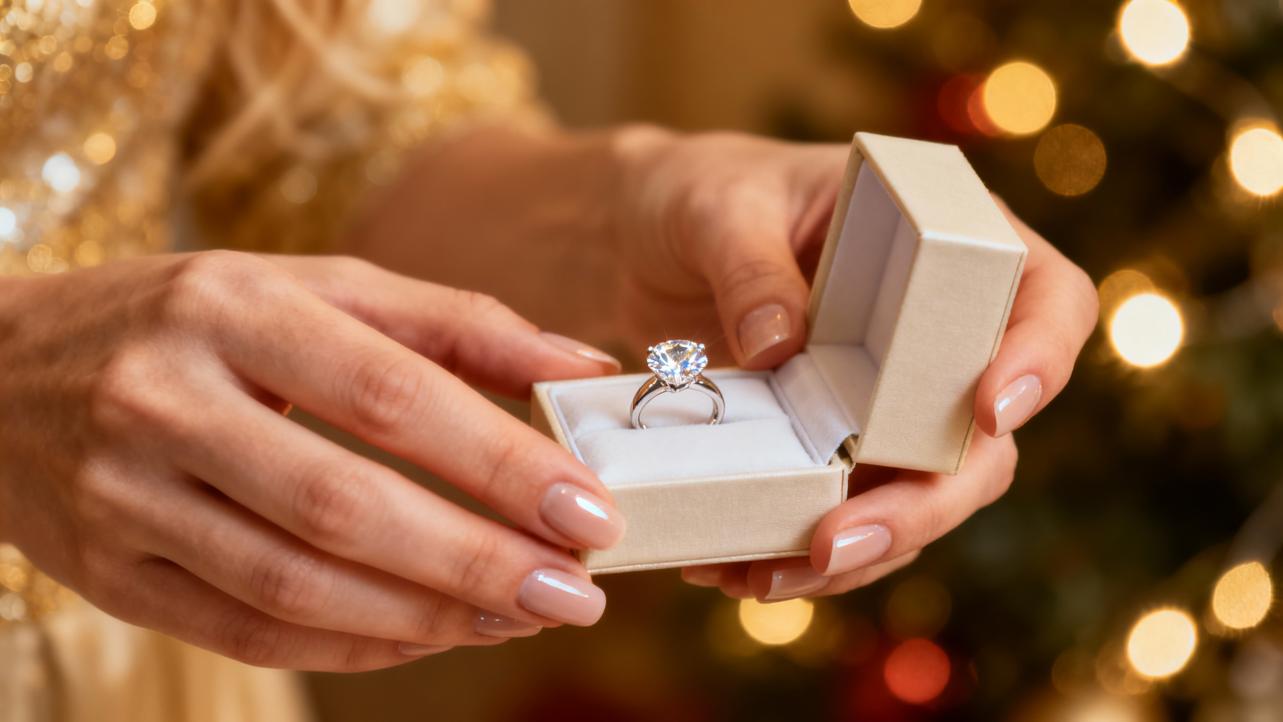
Classic and timeless tastes gravitate toward solitaire diamond rings, diamond tennis bracelets, and well-proportioned solitaire pendants. These pieces anchor a wardrobe and transition easily from an office party to New Year’s brunch. When in doubt, a round brilliant solitaire in a balanced setting delivers that iconic flash with reassuring simplicity.
Romantic and sentimental personalities respond to heart-shaped diamond pendants, halo necklaces that frame a center stone, and eternity bands that symbolize lasting connection. If you want a gift that speaks without words, a petite heart pendant worn on a whisper-thin chain feels intimate and elegant.
Minimalist and chic dressers love restraint. Lab-grown diamond stud earrings in a classic size, bezel-set solitaire necklaces, and slim stacking bands offer polish without fuss. The effect is quiet confidence. Choose bright white metal to keep the look modern, or warm gold to soften winter layers.
Bold and statement-making friends light up at cocktail rings with architectural shoulders, diamond drop earrings that move as they walk, and cuff bracelets that deliver sleek, sculptural presence. When you chase glamour, prioritize balance: a confident silhouette with crisp stone setting will outlast any trend.
Everyday elegance thrives on dainty pendants, small hoops dotted with diamonds, and stackable rings designed to layer. These are the pieces people wear from school drop-off to dinner, accumulating meaning each day. For a personalized touch, initial pendants set with lab-grown diamonds are a perennial favorite during gift season.
Regional selections vary, and it’s worth noting that international houses such as DANI by Daniel K highlight lab-grown diamond tennis bracelets, pendants, and statement pieces with a sustainability pitch. Closer to home, US jewelers like Nathan Alan Jewelers feature lab-grown diamonds for holiday gifting alongside custom design options. If you’re comparing collections across retailers, judge the piece in front of you—how the stones are cut, matched, and set—and let the brand story be the tie-breaker rather than the driver.

Lab-Grown vs. Mined Diamonds at a Glance
Consideration |
Lab-Grown Diamonds |
Mined Diamonds |
Composition |
Same carbon crystal structure; genuine diamond |
Same carbon crystal structure; genuine diamond |
Sparkle & Durability |
Equivalent when cut and set well |
Equivalent when cut and set well |
Price-to-Size Tendency |
Often allows larger or higher grade within a budget, per Danibydk and Diamondrensu |
Often higher price for comparable specs |
Environmental Profile |
Depends on energy mix and life cycle; can avoid mining impacts; see Sustainability journal nuance |
Depends on mining practices, region, and supply chain; strong governance varies |
Traceability |
Often traceable to production facility; certificates support transparency |
Traceability improving via responsible sourcing programs; varies by origin |
Resale Landscape |
Secondary market still evolving; retailer upgrade policies matter |
More established in some markets; still varies by piece and demand |
Availability & Customization |
Wide range of shapes and sizes; excellent for custom holiday timelines |
Wide range available; certain origins or sizes may require longer sourcing |
Certification |
Independent grading reports strongly recommended, as Nathan Alan Jewelers notes |
Independent grading reports strongly recommended |
The Holiday Buying Playbook: From Browsing to Bow
Start by defining what the recipient loves to wear. If they already rotate small hoops and simple studs, a solitaire pendant or delicate band is a safe—but still meaningful—step up. For someone who enjoys making an entrance, consider diamond drops, a tennis bracelet with crisp prong work, or a cocktail ring scaled to their hand. One of my favorite in-store exercises is laying out three variations of the same idea—say, three solitaire pendants with different cut qualities—and choosing the one that looks alive at a glance. This is how you let the eye lead.
Prioritize cut quality. For any diamond, mined or lab-grown, fine cutting is what makes light bounce. Read the grading report, but also trust the visual test under neutral light. If you only have time to optimize one of the 4Cs before Christmas, choose cut first, then align color and clarity with your taste and budget.
Insist on a recognized grading report for the center stone when applicable, and a detailed invoice that describes total carat weight, metal type, and any accent stones. Keep these documents with your holiday receipts. They become invaluable for service, upgrades, or insurance later.
Ask about return windows, resizing, and polishing before you leave the store. The holidays compress schedules, and knowing you can resize a ring in early January takes pressure off getting the guesswork perfect. If the jeweler offers an upgrade or buyback program for lab-grown diamonds, read the details and save them along with the certificate. This small habit turns future decisions into options rather than dilemmas.
For sustainability-minded buyers, request concise proof points. A short note on energy sources, recycled metals, or repair programs adds clarity to the purchase. Because different sources sometimes cite different impacts, it helps to remember that definitions and measurement methods can drive those discrepancies. Validating claims can be as simple as asking for a one-page summary you can reference later.
If you’re shipping a gift, ask the retailer to confirm ready-to-ship timelines and holiday cutoffs. Lab-grown availability is generally strong, but custom settings may still need days of bench time. Your goal is a calm Christmas Eve, not a nail-biting courier chase.
Care, Cleaning, and Long-Term Joy
Caring for lab-grown diamond jewelry mirrors care for mined diamonds. Most jewelers recommend a simple routine: soak the piece in warm water with a drop of mild dish soap, then gently brush the stone and setting with a soft toothbrush and rinse thoroughly. Dry with a lint-free cloth. Ultrasonic cleaners are often acceptable for sturdy diamond settings, but if the piece includes delicate accents or non-diamond gems, check with your jeweler first. Avoid harsh chemicals, and remove jewelry before strenuous activity to protect the setting from impact.
For white gold, expect routine rhodium replating if you want a bright white finish over many seasons. For prong-set pieces, schedule an annual check to tighten prongs and refresh polish. These visits are quick and keep your heirlooms feeling like day one.
Frequently Asked Questions
Are lab-grown diamonds real diamonds?
Yes. Retailers such as Diamondrensu and Danibydk note that lab-grown diamonds share the same chemical, physical, and optical properties as mined diamonds. In hand and under magnification, what you are evaluating are the classic diamond qualities: cut precision, color, clarity, and carat.
Do lab-grown diamonds lose their sparkle over time?
No. Like mined diamonds, they retain their brilliance when properly cut and kept clean. Danibydk underscores this point, and it aligns with practical experience: sparkle reflects cut quality and cleanliness far more than origin.
Are lab-grown diamonds a good value for holiday gifting?
Often, yes. Many shoppers find they can choose a larger or higher-spec stone within their budget, a trend echoed by Danibydk and reinforced by what I observe during December appointments. If future flexibility matters, ask about trade-in or upgrade policies so value extends beyond the holiday moment.
Are lab-grown diamonds sustainable?
They can be, but results vary. Academic research published in Sustainability explains that the environmental profile depends on energy mix and full life-cycle choices. When in doubt, ask the brand for a concise summary of what their claim covers and how it was measured.
Do affluent buyers choose lab-grown diamonds?
Some do. For many clients—at any budget—the attraction is design freedom, larger looks at a given spend, and transparent sourcing. Nathan Alan Jewelers’ positioning of independently certified stones supports quality-focused buyers, while Danibydk’s selection highlights style breadth. Preferences are personal; evaluating the specific piece and store policy is the surest way to decide.
How can I be confident in quality when shopping online?
Seek a recognized grading report for center stones, study videos shot in neutral lighting, and compare return and service policies. If stones carry similar grades but look different on screen, ask for additional footage or live comparisons; visual evaluation remains the most reliable tie-breaker.
Takeaway
Lab-grown jewelry has earned its place under the tree because it marries timeless beauty with modern clarity. The stones are real diamonds; the light they throw is the same light that has enchanted for centuries. What’s new is your power to direct the story—from choosing a larger or finer cut within budget to asking thoughtful questions about sourcing and service that align with your values. Let the eye lead, secure the paperwork, and pick a design that whispers the wearer’s name. Do this, and you’ll wrap not just a jewel, but a joyful ritual that shines long after the holidays.
If you’d like, I can help compare specific pieces and certificates before you buy, or refine a short list of gifts that match your recipient’s style and your timeline.
References
- https://www.academia.edu/114466974/Sustainable_Materials_for_Jewelry_Scenarios_from_a_Design_Perspective
- https://www.uvm.edu/~shali/Synthetic_Diamonds_Mined_Diamonds.pdf
- https://www.edhec.edu/en/research-and-faculty/edhec-vox/jewellery-can-synthetic-diamonds-and-csr-appeal-to-millennials
- https://cre.fsu.edu/system/files/webform/research_symposium_webform/17601/HeimC_poster.pdf
- https://us.pandora.net/en/collections/pandora-lab-grown-diamonds/?srsltid=AfmBOoqu-iEKntN2LKxk5E3_k2AwV-L_hL4mY1dO0lWcT9m6S8V1WXak
- https://www.cleanorigin.com/?srsltid=AfmBOoocG6hQL5bIF_Rpgsa-rGZ5JOkd5t2k7bRwFXKRgFJcJ8cqCr3m
- https://www.grownbrilliance.com/top-20-gifts
- https://www.jared.com/lab-created-gemstones?srsltid=AfmBOopYv8NhMpyiE01EtMHEtkC2TfdQPm64a6lfj5zX3M2-3Rt3BMj0
- https://www.kay.com/lab-created-gemstones-101
- https://www.nathanalanjewelers.com/the-rise-of-lab-grown-diamonds-why-they-make-perfect-holiday-gifts