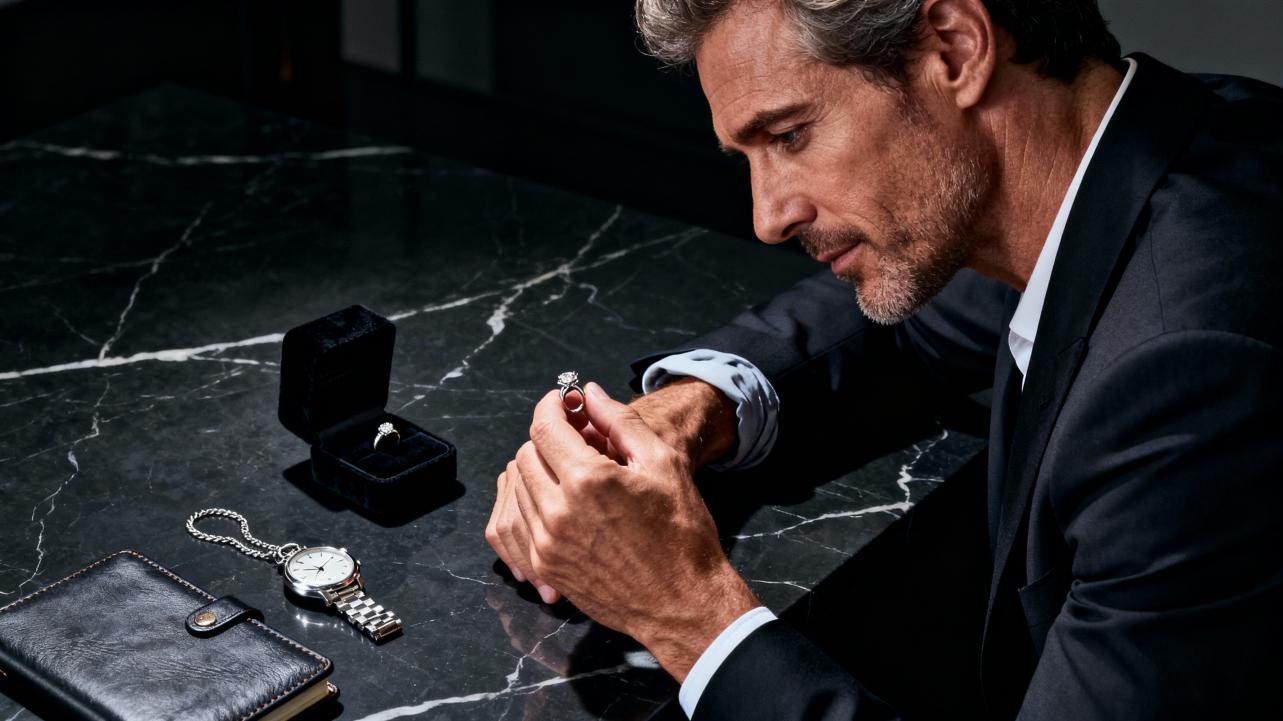
How Can Men Overcome Psychological Barriers to Buying Diamond Jewelry?
Diamonds carry a quiet authority. They can be subtle as a glint on a signet or as decisive as a single center stone that anchors a ring. Yet many men hesitate at the threshold of the jewelry counter, not because they lack taste, but because they carry invisible weight: old ideas about masculinity, fear of looking “too much,” uncertainty about the 4Cs, or anxiety about price, maintenance, and judgment. I’ve watched that hesitation soften into certainty when the right framework, the right fit, and the right facts come together. This article is your bridge—from second‑guessing to self‑assured ownership.
What follows is a practical, sophisticated path through the most common mental blocks, grounded in design fundamentals and buying best practices. I will reference trusted voices along the way—education pages from Blue Nile and James Allen, editorial guidance from Only Natural Diamonds, and hands‑on advice from reputable jewelers such as Vummidi Bangaru Jewellers, The Diamond Guys, and Rogers & Hollands—so you can move from hesitation to clarity with confidence.
The Most Common Psychological Barriers
The Masculinity Myth
The most persistent myth says diamonds are “not for men.” In practice, that myth is already broken. Only Natural Diamonds notes that men wear diamond jewelry more than ever, not just at black‑tie affairs but as everyday staples. Contemporary guides from James Allen and Kimai discuss men’s engagement rings explicitly, and men’s diamond rings and bands are mainstays at Blue Nile. When you understand that a diamond is craft, geology, and design—not a gendered accessory—the conversation changes from “should I?” to “which piece suits my life?”
Fear of Looking Flashy or Unprofessional
A second barrier is the worry that diamond jewelry will overpower your look. Style guidance for men repeatedly returns to the same principles: less is more, coordinate metals, and match the occasion. Above Diamond explains that balance is everything—one strong piece at a time, thoughtfully chosen. Blue Nile’s education pages reinforce that men’s bands span from minimalist to diamond‑accented; channel‑set or pavé details can read like fine tailoring rather than showmanship. If you pick restrained proportions, low‑profile settings, and a finish that suits your wardrobe, the result reads as polished, not loud.
Analysis Paralysis and the 4Cs
The 4Cs—cut, color, clarity, and carat—become a third barrier when they feel like a test. The remedy is sequence. Start with cut because it governs sparkle; a well‑cut diamond returns light beautifully regardless of size. Then target “eye‑clean” clarity (often VS2 to SI1) and near‑colorless grades that still look white in your metal of choice. Lux‑Life distills these truths crisply and reminds new buyers that round brilliants traditionally feature 57 or 58 facets for maximum light return. You do not need a gemologist’s vocabulary to buy well; you need a short list of non‑negotiables in the right order.
Spending Anxiety and Resale Worries
Price anxiety is real, especially for a first purchase. Revediamonds places many men’s diamond rings in a common budget span around $1,500.00 to $5,000.00, while Lux‑Life shows how prioritizing cut and choosing just‑under weight thresholds (for example, 0.90–0.99 carat) can stretch value without sacrificing presence. Lab‑grown stones—chemically and optically identical to natural diamonds—are typically less expensive according to Varniya and Lux‑Life; Varniya also notes environmental gains in production and reports stark differences in mining waste compared with lab‑grown manufacturing. Resale varies by stone type and market, so buy for love, longevity, and wearability first. The right piece should earn its keep on your hand, not in a spreadsheet.
Durability and Lifestyle Concerns
If you work with your hands or live actively, durability feels like a fourth barrier. The Diamond Guys and Lux‑Life both point to secure, low‑profile settings—bezel and channel—that protect stones while keeping snag risk down, and to metals that suit your day‑to‑day. Blue Nile highlights modern, robust choices from platinum to cobalt and tungsten for bands; for necklaces and bracelets, thickness, clasp quality, and profile matter as much as carat count. The piece should disappear into your routine until it needs to be noticed.
Retail Intimidation
Stepping into a boutique can feel like stepping into an exam. Trusted sellers reduce the pressure: they show certification from recognized labs (GIA, IGI), explain policies plainly, and welcome side‑by‑side comparisons under neutral lighting. Vummidi Bangaru Jewellers and Rogers & Hollands emphasize correct sizing, secure settings, and metal choice to match skin and lifestyle. If you’re still uneasy, book a quiet appointment, try pieces with a clear brief, and take photos in daylight. Familiarity breeds comfort; pressure evaporates the moment you can articulate what you want.

Quick Reframes That Unlock Action
Barrier |
What It Feels Like |
Reframe |
First Practical Move |
“Diamonds aren’t masculine.” |
Anxiety about signal and perception |
Diamonds are craftsmanship and heritage, not gender |
Start with a signet or channel‑set band that reads like good tailoring |
“I’ll look flashy.” |
Fear of overstatement |
Restraint is design; scale and finish do the talking |
Choose a low‑profile, bezel‑set piece in a metal you already wear |
“I don’t know the 4Cs.” |
Data overwhelm |
Cut first, then eye‑clean clarity and near‑colorless color |
Ask to see two stones with great cut at different clarity grades under the same light |
“I might overspend.” |
Budget and resale concerns |
Buy for wear and meaning; optimize within tier |
Compare natural vs lab‑grown at the same cut; shop just under carat thresholds |
“It won’t survive my day.” |
Durability and snag worries |
Protection comes from setting and profile |
Pick bezel/channel settings and comfort‑fit bands; test with gloves or daily tasks |

A Practical Path to Your First or Next Piece
Begin with purpose. Decide whether you need an everyday ring, a quiet pendant that lives under a button‑down, a bracelet that partners with your watch, or a necklace that leads on weekends. Blue Nile and Only Natural Diamonds show how small, well‑made accents can become signatures without stealing scenes.
Set a guardrail budget and promise to yourself that cut quality is non‑negotiable. Within that budget, compare two or three options that differ only in color and clarity so you can see how “eye‑clean” looks in person. In natural light, many SI1 and VS2 stones appear pristine to the naked eye; if the cut is excellent, you gain brilliance without paying for invisible grades.
Choose your metal the way you choose a belt or watch case. If your wardrobe leans cool, white metals feel consistent; if you already live in warm tones, yellow or rose gold will harmonize. Rogers & Hollands explains the trade‑offs clearly: platinum is dense, naturally white, and hypoallergenic; white gold requires periodic rhodium replating to keep its cool shine; 10k gold is harder than 18k; palladium offers a darker gray; sterling silver is economical; and modern industrial metals emphasize toughness and value.
Decide on a setting that fits your life. For rings and bracelets that see daily wear, bezel and channel settings guard the edges of the diamond and keep profiles sleek, as both Lux‑Life and The Diamond Guys point out. For maximal light, prongs are a classic—but ask a jeweler to check and tighten periodically. For chains, weight and clasp quality matter as much as stone count; a 20‑inch chain sits at the collarbone, 22 inches just below, and 24 inches mid‑chest, a simple fit map confirmed by The Diamond Guys.
Fit and feel complete the puzzle. Varniya notes that common men’s ring sizes range roughly from 8 to 14, with about 10 as an average; comfort‑fit interiors often feel a half size roomier across the knuckle. If you’re sizing at home, Rogers & Hollands describes printable sizers and size‑circle comparisons with a current ring. The right ring slides on and off with a little resistance, sits flat, and disappears in the hand until you want to look at it.
Technical Confidence Without Jargon
You don’t need every grading nuance; you need a clear hierarchy. Put cut first. It controls brilliance and fire and can make a modestly sized stone look lively and bright. Lux‑Life reminds buyers that round brilliants are engineered with 57 or 58 facets to maximize light return; other shapes trade sparkle for geometry and mood. Next, target “eye‑clean” clarity so inclusions are not visible without magnification. Then choose a color that pairs with your metal. Near‑colorless grades can look fully white, especially in yellow or rose gold, where a hint of warmth reads as cohesion rather than compromise. Finally, consider carat as presence rather than a scoreboard. A beautifully cut 0.90‑carat stone that dances in daylight can out‑charm a larger, sleepy diamond.
When you compare stones, ask to see them under neutral lighting and daylight, and to scan the grading report—GIA and IGI are widely recognized. If you are debating natural versus lab‑grown, align the choice to your priorities. Lux‑Life emphasizes identical physical and optical properties; Varniya and others note cost and sustainability considerations. Your answer may be budget and craftsmanship today, heirloom rarity tomorrow, or a mix across different pieces.
Natural vs. Lab‑Grown: A Clear View
Aspect |
Natural Diamond |
Lab‑Grown Diamond |
Composition |
Carbon crystal formed in the Earth |
Carbon crystal grown in a lab |
Optical/Physical Properties |
Identical to lab‑grown |
Identical to natural |
Price |
Higher per carat at comparable grades |
Typically lower; enables larger or higher grades within the same budget (Lux‑Life, Varniya) |
Ethics & Environment |
Depends on miner/jeweler; seek responsible sourcing |
Inherently conflict‑free; some sellers report lower environmental impact; Varniya reports significantly less mining waste, noting figures vary by producer |
Certification |
Commonly GIA, AGS |
Commonly IGI, GCAL; also GIA for many stones |
Resale Considerations |
Historically stronger secondary market |
Often weaker secondary market; buy for wear and value, not speculation |
Styling Without Second‑Guessing
In the same way a tailored jacket flatters without explanation, diamond jewelry can reinforce what you already do well. Choose one focal point: a channel‑set band that anchors a handshake; a single diamond pendant paired with an open collar; a bracelet that stacks with your watch, as Only Natural Diamonds suggests for a composed, layered look. Keep metals consistent so pieces speak the same visual language; if you wear a steel watch, white metals create a chorus, while a gold watch prefers gold company.
Scale follows build. Above Diamond’s guidance aligns with what I see in fittings: larger wrists and hands carry wider bands or chunkier chains naturally; slender frames shine with finer links and narrower bands. If you want the personality of a ring without the “Is he engaged?” question, a little finger signet or pinky ring is a classic move. If you want the declarative clarity of commitment, your ring finger will say it cleanly. Index‑finger and thumb rings signal status and confidence when balanced with restraint elsewhere.

Buying With Confidence: Policies, Financing, and Sustainability Claims
Trustworthy retailers put support in writing: clear return windows, transparent warranties, upgrade programs, and free cleaning or inspection intervals. Blue Nile and James Allen have set customer expectations high for online education and policies; brick‑and‑mortar jewelers such as Vummidi Bangaru Jewellers, Rogers & Hollands, and The Diamond Guys bring fit and finishing expertise. If a marketplace shows a sustainability badge—ClimeCo Certified is one example you may see on large retailers—ask for documentation on scope, verification, and reductions so the claim means something specific to your piece.
If you consider buy‑now‑pay‑later, some US jewelers advertise approvals at checkout and emphasize low friction. Review the terms before you click: the total financed amount, payment schedule, any late‑fee policy, and whether “no credit score impact” applies in your case. Financing is a tool; use it to match cash flow to an heirloom purchase, not to stretch beyond comfort.
Care, Maintenance, and Insurance
A diamond’s brilliance is a long game made of small habits. At home, use a soft brush, mild soap, and warm water, and rinse thoroughly. Store pieces separately so metal and stones don’t scratch one another. Schedule annual inspections so a jeweler can tighten prongs, assess clasps, and professionally clean settings. Remove jewelry when using harsh chemicals or doing heavy work; diamonds are hard but not indestructible, and metals bear the marks of a life fully lived. When the value warrants it, insure the piece against loss, theft, or damage. These care routines echo the advice from Lux‑Life, Varniya, and The Diamond Guys and keep your piece ready to perform for years.
A Field‑Tested First Purchase Plan
Start with a single piece you can wear three to five days a week. For many men, that’s a comfort‑fit band with a slim channel of diamonds in white or yellow gold, or a diamond stud pendant on a 22‑inch chain that tucks neatly beneath a shirt. In a calm appointment, compare two stones with excellent cut at different clarity grades, then pick the one your eye keeps returning to. Ask the jeweler to photograph the piece on your hand or neck in daylight; if you want a weekend bolder version, note what you’d scale next time: width, carat weight, or setting style. The right piece earns enthusiasm immediately and never asks you to outfit around it.

Takeaway
The barriers that keep men from buying diamond jewelry are mostly mental, not material. Reframe the myths, reduce decisions to a few excellent rules, and test pieces in the context of your real life. Trusted sources—from Blue Nile and James Allen to Only Natural Diamonds, Vummidi Bangaru Jewellers, Rogers & Hollands, Lux‑Life, Varniya, and The Diamond Guys—agree on the essentials: prioritize cut, protect stones with sensible settings, choose metals that match your wardrobe, and buy from jewelers who explain, not pressure. Start with one well‑chosen piece that feels inevitable the moment you put it on. Confidence will follow.
FAQ
Is diamond jewelry really “for men,” or is it a trend that will fade?
Men have worn rings, signets, and diamond‑accented pieces for centuries. What’s changed—documented by Only Natural Diamonds and supported by education from Blue Nile and James Allen—is that men now wear diamonds as daily style, not only as ceremony. The category is expanding, not peaking.
Should I choose natural or lab‑grown for my first piece?
Both are real diamonds with identical physical and optical properties. Lab‑grown typically costs less, which can buy you more size or quality at the same budget. If rarity and tradition matter most, natural may win. If value and size do, lab‑grown often prevails. Trust recognized grading and buy for joy and wearability.
What setting and metal are best for an active lifestyle?
Bezel and channel settings shield edges and keep profiles low. For rings, comfort‑fit interiors improve daily wear. Platinum is durable and hypoallergenic; white gold achieves a similar look with periodic replating; 10k and 14k yellow gold balance strength with color. Modern metals like titanium or tungsten emphasize abrasion resistance but limit resizing.
How do I know if a diamond is good without memorizing the 4Cs?
Put cut first, then verify the diamond looks clean to your eye and pairs color‑wise with your chosen metal. Ask to compare stones under daylight and neutral lighting, review reports from GIA or IGI, and let your eye decide once the technical boxes are checked.
I’m worried about looking flashy at work. What should I buy?
Pick a single focal point in a restrained profile: a narrow channel‑set band, a slim bezel‑set stud pendant on a 22‑inch chain, or a bracelet that mirrors your watch’s metal. Keep metals consistent and proportions modest; you’ll read as exacting, not ostentatious.
Is financing a smart way to pay for diamond jewelry?
It can be, if the terms are transparent and the payments fit your budget. Some jewelers offer quick approvals at checkout. Confirm total cost, schedule, late‑fee policy, and any impact on your credit profile before proceeding, and favor retailers with clear returns and warranties.
References
- https://www.thediamondguys.net/blogs/blog/what-to-look-for-in-a-diamond-necklace-for-guys?srsltid=AfmBOoqh_4A1_mzX_5vq0Yq3j43JVptFn9q-Zokt96Jf84X6mcHE9tOg
- https://abovediamond.com/mens-jewelry?srsltid=AfmBOoqjXpWHxcwFBO0Ml1dx_S_omkCyzeZ-MgGZx7uMvr8_I4h_uRuA
- https://www.amazon.com/Mens-Diamond-Accessories/s?k=Men%27s+Diamond+Accessories
- https://diamondsbymanee.com/gg-mens-diamond-jewelry/
- https://www.haldavis.com/journals/diamond-rings-for-men
- https://blog.jamesallen.com/the-ultimate-guide-to-buying-mens-engagement-rings/
- https://lux-life.digital/mens-diamond-jewellery-guide-for-beginners/
- https://www.rogersandhollands.com/blog/post?ID=the-ultimate-guide--to-mens-diamond-rings-styles-cuts-and-settings&srsltid=AfmBOopd3sLcWo3F9iOX6z8TwguhrgZ8j9_IG4tMKUIpejPB2McWjvr2
- https://www.icebox.com/results/pendants/men?srsltid=AfmBOopgSDD3D2vB0uHD3dLmCqGa47jWR7wqQbBK5Ui1gVeE-FiV1ucs
- https://www.kingofjewelry.com/blogs/news/how-to-pick-a-stylish-men-s-diamond-ring?srsltid=AfmBOooCl1e6u1kKGPTbPiOnkhJ5RV_o2U3D8B813tpb4czF7dA5cEpm