Minimalist Bezel Lab Diamonds: Clean Lines and Understated Brilliance
A bezel-set lab-grown diamond whispers rather than shouts, yet it never fades into the background. For those of us who treasure clarity of line and purpose, the minimalist bezel invites the eye to a calm horizon where metal and light resolve into a single, sculptural form. On the bench and in daily wear, I have seen this setting excel when nothing extraneous is allowed to intrude: just a precisely engineered rim, a diamond that performs on cut and polish, and a profile that slides under a cuff or glove without a snag. If your taste leans toward quiet excellence, a minimalist bezel paired with a lab-grown diamond is a study in understatement with real-world benefits.
Minimalism is not austerity; it is discipline. In jewelry, that discipline shows up as crisp geometry, proportion, and an honest relationship between form and function. A bezel embodies that ideal. When the stone is lab-grown and superbly cut, the equation becomes even more compelling. You gain sparkle that rivals the earth-mined equivalent, ethical transparency, and meaningful value, all graced by a setting that protects what you love.
What “Bezel” Really Means in Fine Jewelry
A bezel is a continuous or partial rim of precious metal that frames the diamond along its edge, holding it securely. Unlike prongs, which grip at discrete points, a bezel distributes force around the perimeter, shielding vulnerable edges from chips and reducing catch points. In minimalist executions, the metal is pared to essentials: a clean rim, a seat calibrated to the diamond’s girdle, and junctions that flow seamlessly into the band.
Within the bezel family, there are distinct aesthetics. A full bezel encircles the entire stone, offering maximum security and a refined, modern silhouette. A half bezel opens the sides, admitting more lateral light and emphasizing elongated shapes with an architectural feel. A flush bezel, sometimes called a gypsy setting, sinks the diamond into the band for a near-flat surface that is exceptionally practical. Each preserves the essence of minimalism while tuning brightness, presence, and profile to the wearer’s life.
Why Lab-Grown Diamonds Belong in Minimalist Bezels
Lab-grown diamonds are chemically, physically, and optically identical to mined diamonds. The Federal Trade Commission has affirmed that they are diamonds when accurately described as lab-grown, and that clarity matters to everyday buyers who care about language and truth in advertising. Production methods—primarily chemical vapor deposition and high-pressure high-temperature—deliver stones with the same hardness and durability, which means the Mohs 10 resilience you expect is fully present.
The value proposition is equally persuasive. Forbes has reported a wide and increasing price delta, citing a concrete example where a two-carat G/VS1 lab-grown stone costs around $2,000 while a natural counterpart may approach $20,000. That difference lets a buyer prioritize cut quality, metal upgrades, or custom design details without inflating the budget. Brides has highlighted how lab-grown diamonds are now mainstream across engagement rings and fine jewelry, reinforcing that availability, certification, and aftercare programs are widely comparable to natural offerings. A broader market signal shows adoption among younger buyers; Statista data referenced in trade coverage notes that well over two out of five Millennial and Gen Z engagement customers chose lab-grown diamonds in 2025.
Sustainability claims vary by grower, and the clearest path is to favor transparent energy sourcing and third-party grading. Vogue and Forbes have spotlighted producers and retailers that use hydropower or zero-direct-emissions foundries. The net result for the minimalist buyer is this: you can specify a stone that aligns with your ethics and enjoy the bezel’s practical elegance, while keeping the look streamlined and timeless.

Sparkle, Brightness, and the Myth of the “Dull” Bezel
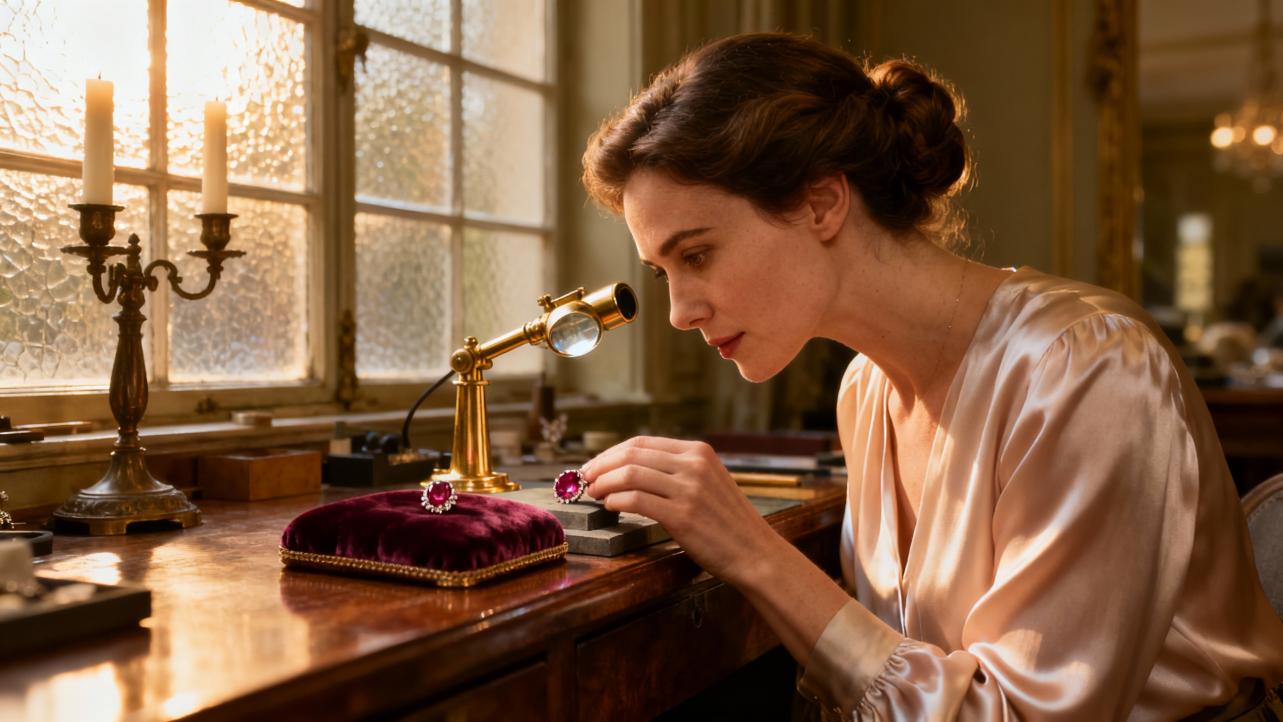
A well-cut diamond returns most light through the crown, not the sides. That is why a thoughtfully engineered bezel can preserve brilliance and fire while taming snag hazards. Craftsmanship matters. If the rim is overbuilt and laps too far over the crown, the diamond can look sleepy. If the seat is cut inconsistently, light can leak. In the studio, we minimize the rim while ensuring safe coverage of the girdle, then polish the interior walls to a clean, reflective finish. In a half bezel, we open the shoulders to showcase the diamond’s length and allow more lateral scintillation.
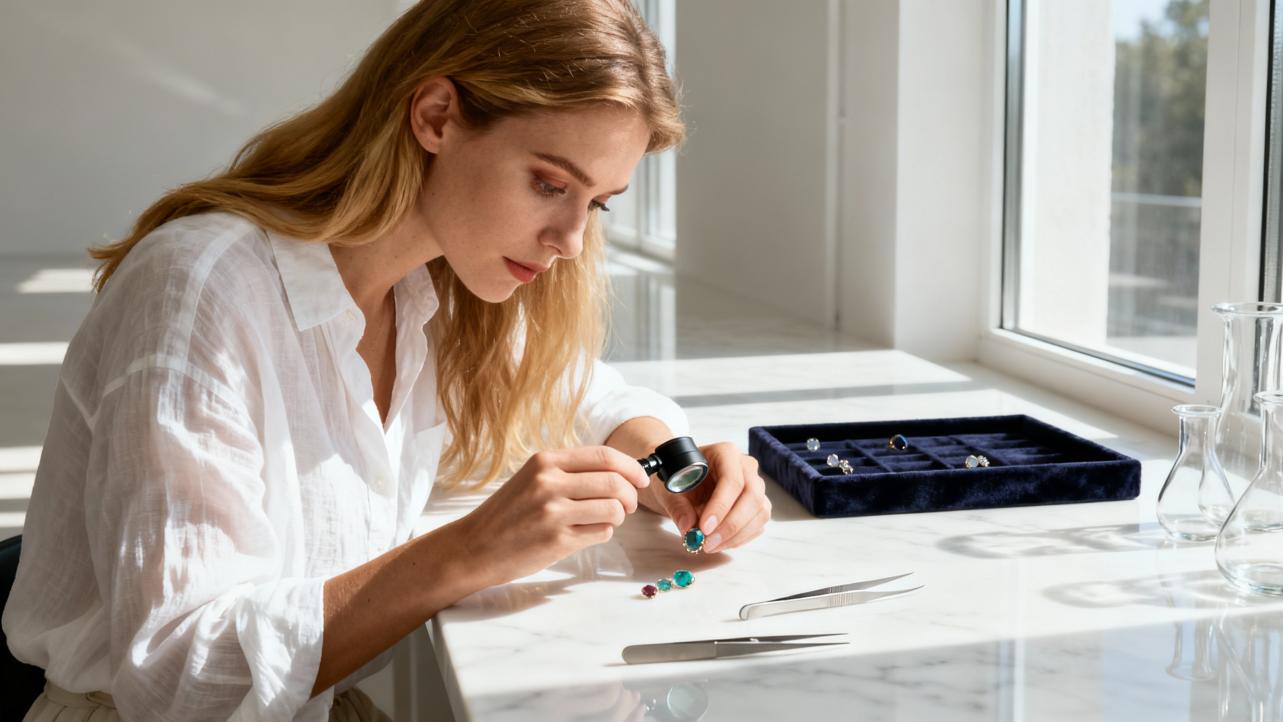
The takeaway is direct. Choose excellent or ideal cuts that perform under a loupe and in diffuse daylight, then ask your jeweler to specify bezel lip thickness in tenths of a millimeter, with the smallest safe coverage for your stone and lifestyle. Goodstone and other specialist ateliers note that when proportions are right, bezel brightness rivals prong settings while adding daily-wear confidence.
Shape, Metal, and Profile: Building a Quiet Statement
Minimalist bezels reward thoughtful pairing. Rounds deliver that iconic, balanced glow; ovals and emerald cuts lean into an elongated calm; pears and marquise shapes gain extra protection at their tips. An east–west orientation refines the silhouette for an elegant horizontal spread, especially in half-bezel and flush layouts. White gold reads sleek and cool, yellow gold warms the composition and outlines shape, and platinum adds gravitas with hypoallergenic strength. Because many bezel rings are low-profile, they stack easily with straight or contoured bands, and the clean rim becomes a crisp line when viewed from the side.
Choosing a slender shank enhances the minimalist effect, but it should not be fragile. In practice, a measured thickness—enough to resist daily deformation, not enough to feel bulky—keeps the visual language disciplined and the ring comfortable over years of wear.
Pros and Cons, Plainly Stated
The benefits are tangible. Security and protection improve because the rim shields the girdle and edges. Comfort rises due to the snag-resistant profile, a major advantage for those who work with hands, gloves, or delicate fabrics. Maintenance simplifies because there are no prongs to retip. In many cases, the defined rim makes the stone read slightly larger to the eye, which suits a minimalist who wants presence without ornament.
Trade-offs exist. Bezel fabrication involves more metal and labor than prongs, which can raise upfront cost, though it may reduce repair spend over time. Cleaning requires attention to the junction where metal meets stone, since oils can accumulate. Poorly executed bezels can mute life; this is an argument for choosing an experienced bench and prioritizing cut quality. Resizing is possible, but flush bezels in particular demand careful heat management and skilled hands.
From the Bench: Fit and Lifestyle
In client work, full bezels have been the most successful everyday rings for designers, healthcare professionals, new parents, and anyone who wants sparkle without worry. Flush bezels excel in rings that must slide under gloves or cuffs repeatedly; the look is minimal, the feel is secure, and there is nothing to catch. For the runner or yogi who stacks bands, a half-bezel east–west oval or emerald can read like a modern line drawing in metal, refining the silhouette of the hand while preserving utility. These observations are not theoretical; they reflect years of clasping, stacking, rinsing, and living with rings that must be beautiful on the table and effortless on the hand.
Care and Maintenance That Preserve Minimalism
Home care is straightforward. A weekly soak in warm water with a drop of mild dish soap, a gentle pass with a soft brush around the bezel lip, and a clean rinse returns the diamond’s surface tension and snap. Pat dry with a lint-free cloth and let air-dry before storing. Avoid chlorine and abrasive powders, and remove rings for heavy impact tasks. Twice a year, ask your jeweler to inspect the bezel’s lip and the ring’s roundness. Professional ultrasonic or steam cleaning can be used when the jeweler confirms the integrity of the setting. A simple ring dish near the sink or a travel case in your bag prevents needless knocks and keeps that calm, unbroken line intact.
Buying Guide: How to Choose a Minimalist Bezel Lab-Diamond Ring
Begin by defining the look you love, then align specifications to serve it. For minimalist bezels, cut is king, because light return must read through a sleeker rim. Favor excellent or ideal cut grades and verify performance with magnified video or in-person viewing. Insist on independent grading from GIA or IGI for clarity, color, and carat. Discuss bezel lip thickness and target the smallest safe coverage for your stone size, and ask the bench to polish the inner wall. Decide on full, half, or flush bezel by balancing security, openness, and profile height.
Metal choice shapes the mood and wear. Platinum delivers heft and resilience, white gold offers a crisp, contemporary surface, yellow gold warms and outlines shape, and rose gold lends subtle romance. If stacking is in your plan, confirm that the band is straight enough at the base or have a contour band made to nest cleanly. Retailer policies matter as purchasing infrastructure. Outlets highlighted by Forbes and Brides emphasize lifetime care programs, home or virtual preview tools, hydropower-grown options, and robust return windows. Those services translate into confidence before and after purchase, particularly for a precision setting like a bezel.
Specifications Worth Discussing with Your Jeweler
Clarity at the edge can be more forgiving in a bezel, since the rim masks the girdle view; this allows strategic choices that keep budget focused on cut. For elongated shapes, consider a half bezel to open the sides and preserve a light, architectural feel. If you favor a slim shank, confirm that the underside remains sturdy enough for decades of resizing. If you work with solvents or frequent sanitizers, consider platinum for its work-hardening resilience and have finish refreshed periodically rather than over-polishing.

Setting Comparisons at a Glance
Setting type |
Visual character |
Edge protection |
Sparkle emphasis |
Profile height |
Practical note |
Full bezel |
Clean rim, graphic outline |
Maximum |
Strong if cut is excellent |
Generally low |
Most snag-resistant; great for daily wear |
Half bezel |
Open sides, modern lines |
High at tips |
Airier side view |
Low to medium |
Balances protection with openness |
Flush bezel |
Stone set into band |
Very high |
Subtle, elegant glint |
Very low |
Ideal under gloves; ultra practical |
Prong |
Classic, airy |
Moderate |
High, more exposed crown |
Medium to high |
Periodic prong checks needed |
Halo |
Decorative frame of melees |
Good on center; halo stones exposed |
High, larger visual spread |
Medium |
More ornate; not strictly minimalist |
Lab-Grown and Natural: A Practical Contrast
Attribute |
Lab-grown diamond |
Natural diamond |
Composition and optics |
Identical to natural |
Identical to lab-grown |
Typical price for like specs |
Significantly lower; more size or quality for budget, as highlighted by Forbes |
Higher due to rarity and mining |
Certification and grading |
GIA or IGI widely available |
GIA and others widely available |
Environmental profile |
Often marketed with lower impact; some brands use hydropower or zero-emissions foundries reported by Vogue and Forbes |
Mining impact varies by source and method |
Resale expectations |
Generally lower secondary-market pricing |
Historically stronger resale, varies by stone |
This comparison is about practicality rather than hierarchy. For a minimalist bezel, the most meaningful difference is budget flexibility and sourcing transparency; both stone types perform when the cut is right and the setting is expertly made.
Takeaway
A minimalist bezel around a lab-grown diamond is not a compromise. It is a design choice grounded in clarity. The bezel protects and streamlines; the lab-grown diamond delivers the same beauty with more room to invest in cut and craftsmanship. When proportion, polish, and profile converge, the result is a ring that slips into life and quietly excels, year after year.
FAQ
Are bezel-set diamonds less sparkly than prong-set stones?
They are not inherently less sparkly. Brightness depends far more on cut quality and careful fabrication. A well-proportioned bezel preserves crown light return, while an overly thick rim can mute life. An experienced bench will keep coverage minimal and finish the seat cleanly.
Will a bezel make my diamond look smaller?
The defined metal rim can actually increase perceived presence by outlining the shape. A full bezel reads graphic and deliberate; a half bezel opens the sides for more air. If size impression is a priority, select an elongated shape or a half bezel that emphasizes spread.
Which shapes work best in minimalist bezels?
Round is universally strong, while oval and emerald cuts thrive in half and east–west bezels that accentuate length. Pear and marquise shapes benefit from the bezel’s protection at points. Choose by hand proportion and the line you wish to draw on the finger.
Are lab-grown diamonds real and how do they compare on value?
They are real diamonds with the same chemistry and optics. Forbes notes that price gaps can be substantial, allowing a buyer to optimize cut or carat within a given budget. Secondary-market pricing trends lower for lab-grown, so buy for beauty and use rather than investment.
How should I care for a minimalist bezel ring?
Use warm water, a drop of mild soap, and a soft brush around the rim weekly, then rinse and dry with a lint-free cloth. Avoid harsh chemicals and remove for high-impact tasks. Ask your jeweler for semiannual inspections to confirm bezel integrity and maintain finish.
Does a bezel cost more than prongs?
The bezel often costs more upfront due to added metal and labor. Over time, the absence of prongs to retip and the reduced risk of chips can offset some maintenance costs. Consider it an investment in daily comfort and longevity.
Closing Perspective
Minimalism rewards what matters: the line, the stone, the hand wearing it. In a bezel-set lab-grown diamond ring, those priorities align. You gain daily-wear assurance, modern elegance, and the freedom to concentrate your budget where it performs—on cut precision and bench craft. Cited reporting from Forbes, trade-forward coverage from Brides and Vogue, and deep atelier experience all converge on the same counsel. If you crave clean lines and understated brilliance, a minimalist bezel with a lab-grown diamond is not just a current trend; it is a long view of beauty that ages gracefully.
References
- https://www.brides.com/best-places-to-buy-lab-grown-diamond-jewelry-5199790
- https://www.grownbrilliance.com/
- https://jewelryblog.greenlakejewelry.com/types-of-bezels/
- https://lisarobinjewelry.com/collections/bezel-set-engagement-rings?srsltid=AfmBOophhHsPC23dVrg0cCz368AxDePs3imzqRMCUB3f7Tz-vXhCfQxd
- https://www.melaniecasey.com/pages/bezel-engagement-rings-explained?srsltid=AfmBOoozpeDsKsWS2_DgzqSoQ6WeR-Bj0nwXp8B1n1lEgbpHvH6rdfmr
- https://www.stellarfields.com/products/ethical-lab-diamond-pendant-minimal-modern-bezel-set?srsltid=AfmBOorhtj-q3Fq_oLEGIfXfuP_dFKobkPLhTTy4QWCcfV544i14LXFA
- https://www.vogue.com/article/best-lab-grown-diamonds
- https://www.cleanorigin.com/engagement/bezel-set-engagement-rings/?srsltid=AfmBOooIhUKwaO_OyWJkrDaCw2kloiINS8-fjkjPoAIGcR2UUGweuR3L
- https://regalhattongarden.co.uk/blogs/lab-diamonds/top-settings-to-showcase-lab-grown-diamond?srsltid=AfmBOoq60b69l_k0h-iopqVvBCUhytN48t1DrGNXpLt5Ivf3-Wn4VzyA
- https://www.goodstoneinc.com/blogs/news/the-magic-of-modern-bezel-set-diamond-engagement-rings?srsltid=AfmBOopdkoP6WfR-CgpO1xBFKbl4CsScLSYg9IWxMATQJYrxL7T9yddQ