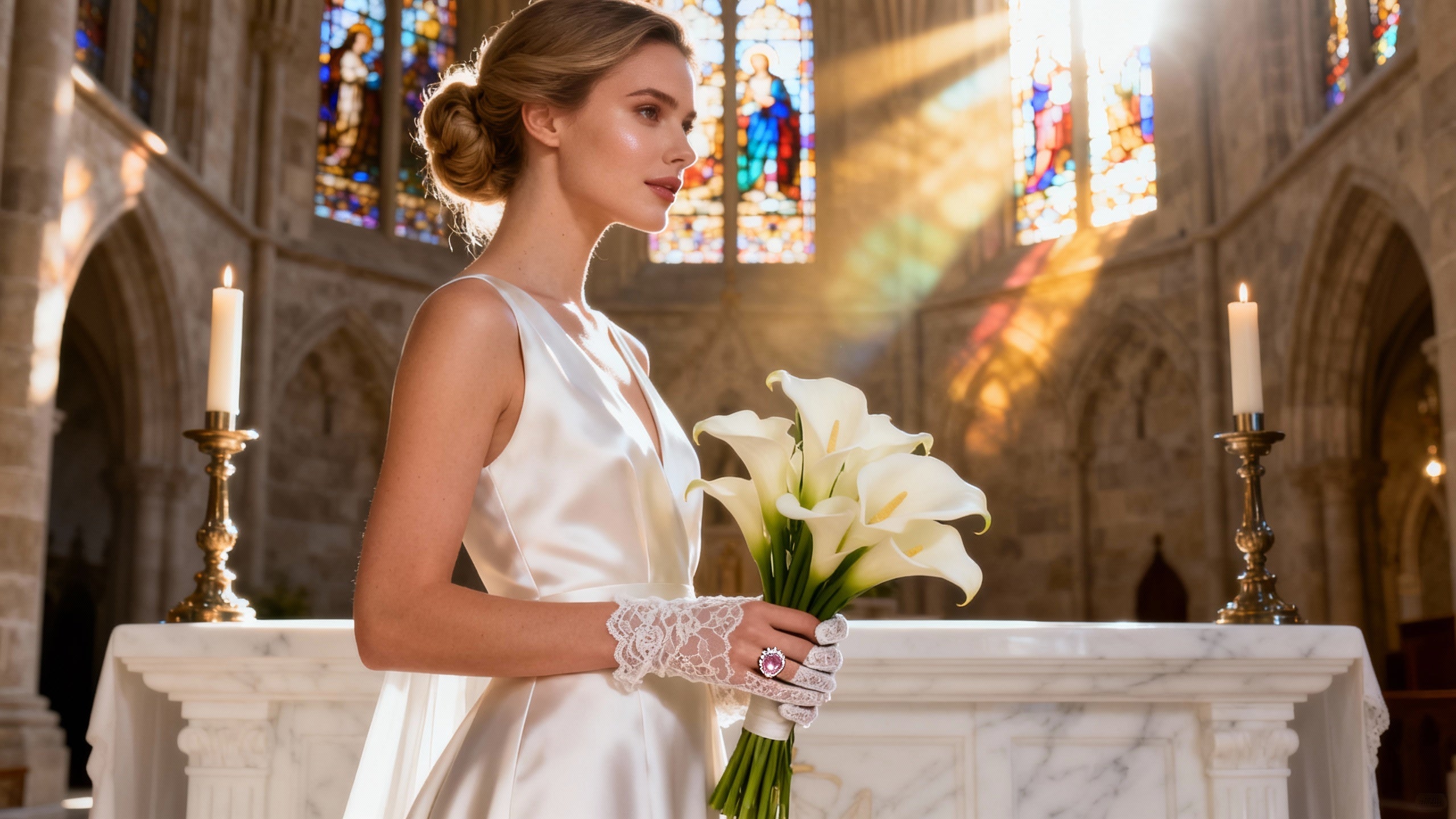
Platinum Moissanite Engagement Rings — Premium Quality
A platinum moissanite engagement ring marries two ideas that matter right now: timeless luxury and conscious brilliance. Platinum’s naturally white glow frames moissanite’s high‑octane sparkle with an elegance that never asks to be replated or toned down. Over years of handling platinum mountings and inspecting moissanite under a loupe, I’ve learned that this pairing rewards both the romantic and the realist. It looks radiant in every light, stands up to daily life, and, when properly chosen and cared for, remains a personal heirloom with modern ethics.
What Moissanite Is—and Why It Thrives in Platinum
Moissanite is a lab‑grown crystal of silicon carbide prized for its high light return and rainbow “fire.” It measures about 9.25 on the Mohs hardness scale, second only to diamond, so it resists scratching and wears beautifully day after day. Its refractive index sits around 2.65, which helps explain why people often perceive it as even more sparkly than diamond in mixed lighting. Reputable sources such as Charles & Colvard and Helzberg Diamonds describe moissanite as durable, brilliant, and easy to care for, making it suitable for everyday jewelry. The stone is also conflict‑free by origin because it is grown rather than mined, which aligns with the values many couples bring to an engagement purchase.
One optical nuance is moissanite’s double refraction. Under certain viewing angles and with particular facet arrangements, the stone can show a slight “doubling” of edges; enthusiasts frequently note this when comparing moissanite and diamond. This characteristic is part of moissanite’s visual identity and contributes to its lively, flame‑like scintillation. It is relatively certain in gemological literature, though the degree you notice in a finished ring case by case and depends on cut precision and how the stone is set.
Platinum is a naturally white, dense precious metal, typically 95% pure in fine jewelry alloys. It is hypoallergenic for most wearers, resists corrosion, and never needs rhodium plating to look bright. With daily wear it develops a soft “patina” rather than a yellowing or fading tone, a surface character many aficionados consider part of its charm. Compared with softer, lighter alternatives like sterling silver, platinum feels substantial and holds prongs with authority, which is one reason bench jewelers favor platinum for fine settings. These material traits, widely cited by jewelers and reinforced in comparative guides, make platinum a smart, long‑horizon companion to moissanite’s durability.
How Metal Color Shapes Perceived Brilliance
Metal color influences how colorless and near‑colorless gems appear. The Gemological Institute of America has long noted that white settings can emphasize a stone’s icy brightness and minimize warmth, while yellow or rose metal can add a golden or blush cast. Although much of the published guidance references diamond, the same optics apply to moissanite because it also reflects and refracts the environment. If your center stone is colorless or near‑colorless, white metal prongs—especially platinum—help maintain a crisp, bright face‑up. Should you love mixed‑metal designs, many connoisseurs keep the prongs white to avoid tint while allowing the shank to explore yellow or rose tones. This is more certain advice across trade education, though personal taste always leads.
Platinum vs. Other White Metals for Moissanite
A platinum setting is not the only route to a luminous moissanite ring, but it is the benchmark for color stability and longevity. White gold commonly relies on rhodium plating to achieve its chrome‑bright finish. Over time, plating wears and needs periodic renewal; 14k and 18k alloys also differ in hardness and hue. Palladium—another platinum‑group metal—shares a naturally white look and hypoallergenic nature, with a lighter feel on the hand, and can be a strong alternative. Sterling silver is budget‑friendly but softer and prone to tarnish, which means more frequent polishing and a gentler daily routine.
Here is a concise comparison to anchor decisions:
Metal |
Natural Color |
Plating Needed |
Durability & Wear |
Skin Sensitivity |
Notable Pros |
Practical Considerations |
Platinum (≈95%) |
Naturally white |
No |
Dense; develops patina; resists corrosion |
Hypoallergenic |
Colorfast, secure prongs, low maintenance |
Heavier feel; higher upfront cost; patina may require occasional polish |
White Gold (14k/18k) |
Warm‑white |
Often rhodium |
Durable alloys; finish can thin with years of wear |
Nickel‑sensitive wearers should confirm alloy |
Lower initial cost; classic look |
Replating cycle; alloy and prong hardness vary by karat (tendency) |
Palladium |
Naturally white |
No |
Lighter than platinum; good hardness |
Hypoallergenic |
Platinum‑like benefits with less weight |
Availability and sizing aftercare vary by market (pending verification) |
Sterling Silver |
Bright white, warms with time |
No |
Soft; tarnishes; scratches readily |
Alloy‑dependent |
Budget‑friendly; easy to work |
Frequent polishing; best for gentler wear |
Notes reflect retailer and trade guidance (Anuclub, Helzberg Diamonds, comparative reviews) and bench experience with these alloys.
Styles That Sing in Platinum
Certain designs harness platinum’s character especially well. A solitaire in platinum sets a colorless or near‑colorless moissanite afloat in a field of cool light, creating a gallery that is crisp from every angle. Halo and hidden‑halo settings, popular across contemporary collections from MoissaniteCo and Valerie Madison, add micro‑pavé sparkle around or beneath the center, and platinum’s durability helps those small prongs keep their grip over time. A bezel, which rims the stone with a continuous band of metal, is quietly modern and a favorite for active lifestyles because it reduces snag risk; platinum bezels maintain their outline without rhodium upkeep. East‑west orientations, three‑stone “past‑present‑future” compositions, and half‑bezel minimalist solitaires all benefit from platinum’s naturally white, shadow‑free edge around the gem.
When a client asks for a petite pavé band with a flush‑fit wedding ring, platinum often earns the nod for its ability to hold tiny accent stones and keep the profile sleek. That said, if you cherish the pale‑blush romance of rose gold or want the affordability of white gold, you can still place the moissanite in platinum prongs while crafting the shank in another color. GIA’s practical note about white prongs preserving a colorless appearance has real‑world payoff in mixed‑metal designs.
Quality Markers: Stones, Settings, and Side Details
With moissanite, cut precision drives beauty more than any other “C.” Hearts‑and‑Arrows cuts exist for moissanite just as for diamond; they are engineered to return light symmetrically and present a sharp pattern under a viewer. Charles & Colvard’s Forever One line, for instance, is positioned as near‑colorless with exacting cut standards. In hand, a well‑cut round, oval, or emerald cut moissanite looks bright across a variety of lighting, while an overly deep or shallow stone can leak light and underperform. Clarity in most lab‑grown moissanite is high enough that eye‑visible inclusions are uncommon, but ask for a loupe review—most jewelers are happy to walk you through the facets.
Side stones deserve a thought. If you choose diamond melee along the band, the comparison between moissanite and diamond scintillation is part of the design’s dance; many collectors enjoy the contrast. If you prefer a perfectly unified look, moissanite melee is an option. The best approach is to view both in person because perceived differences can be subtle or pronounced depending on size and lighting; this is still to be verified with your own eyes before committing.
For the metalwork, ask your jeweler about prong geometry and alloy. Platinum prongs tend to “move” rather than shed metal when scuffed, which can keep stones more secure over a long timeline, but execution varies by bench. For intricate pavé, confirm that the setter uses appropriate wire diameter and seat depth; crisp milgrain or filigree details also stand out more in platinum because the metal handles beading and bright‑cutting superbly.

Pros and Cons of Choosing Platinum with Moissanite
The pairing’s strengths are straightforward. First, the visual chemistry is excellent: platinum’s naturally white tone keeps moissanite bright without the upkeep of rhodium plating. Second, both materials are daily‑wear durable; moissanite shrugs off most scratches, and platinum resists corrosion from soaps and moisture. Third, platinum’s heft communicates substance; for many, that tactile weight is part of the luxury.
There are trade‑offs. Platinum costs more upfront than silver and typically more than white gold, and it is heavier on the finger—a pleasure to some, too much presence to others. It scuffs with a satiny patina that, while beloved by connoisseurs, may prompt occasional repolish if you prefer a mirror finish. On the moissanite side, the stone’s pronounced fire and double refraction can look more “rainbowy” than diamond in certain lights; some adore this high‑energy sparkle, while others prefer a lower‑dispersion look. None of these are defects; they are aesthetic and tactile preferences to weigh against your lifestyle.
Care and Maintenance: Simple Routines that Keep Brilliance High
Cleanliness is the secret to moissanite’s performance. Oils from skin, lotions, and kitchens create a translucent film that dulls any gemstone’s light return. Retailers and brands including Helzberg Diamonds, MoissaniteCo, Gema&Co, Lily Arkwright, and LUCCE converge on the same straightforward routine. At home, soak the ring in warm water with a few drops of mild liquid dish detergent. After 10 to 15 minutes, gently brush the pavilion and around the prongs with a soft toothbrush, then rinse and dry with a lint‑free cloth. For a deeper clean, a diluted household ammonia bath can be effective; a commonly cited mix is roughly three parts water to one part ammonia (MoissaniteCo), though some jewelers prefer even milder dilutions. Work in a ventilated space, wear gloves if your skin is sensitive, and rinse thoroughly afterward.
Ultrasonic machines are used by bench jewelers to remove stubborn film and grit from behind settings. They are very effective, but vibration can reveal or worsen an already loose prong, so have a jeweler inspect security periodically rather than relying solely on a home unit. Most stores will perform a quick clean and prong check at no charge. As with all fine jewelry, avoid bleach, chlorine, and aggressive abrasives, and apply lotions and hair products before putting on your ring. Remove rings for high‑impact workouts, hot tubs, gardening, and harsh housekeeping; even the hardest gemstones can chip if struck at a vulnerable angle, and metal prongs can bend if snagged. A monthly clean and an annual professional inspection are practical baselines; daily wearers may prefer a quick warm‑soak every few weeks. These rhythms are well supported by brand care guides and retailer practice.

Comfort, Profile, and Everyday Fit
Comfort is both tactile and visual. If you work with your hands, a low‑profile bezel or petite four‑prong can keep height down and reduce snags on sweaters and hospital gloves. For those who type for hours, a slim, polished band and center that sits closer to the finger can all but disappear until you catch it in good light. If you plan on a wedding band that sits flush, ask for a “flush‑fit” or “comfort‑fit” engagement shank with a gallery that accommodates the stack without gaps. Jewelers who regularly craft moissanite rings—such as Valerie Madison or MollyJewelryUS—often design with these daily realities in mind, tailoring band thickness, prong height, and pavé placement to your routine. When possible, try mock‑ups in person to test how the ring glides under gloves, into pockets, and through hair.
Buying Strategy and Due Diligence
Approach the purchase like a long‑term partnership. First, confirm the platinum hallmark and alloy (often stamped “PLAT” or “PT950”). Ask specifically about prong alloy and hardness; some shops use a harder mix in the head for longevity. Second, focus on moissanite cut quality. View the stone under diffused light, spotlights, and daylight. A well‑cut stone will look lively yet organized, with a crisp on‑off sparkle that doesn’t “mush” into glare. Third, consider side stone choices. If you want seamless matching, ask about moissanite melee; if you enjoy contrast, diamond melee can provide a pleasing white “twinkle” next to moissanite’s colorful fire.
For white metal alternatives, white gold reduces upfront cost; build in a replating cadence in your mental budget because rhodium finishes do wear. Palladium provides a lighter, naturally white option if you prefer less weight on the finger, though bench availability for repairs differs by region (still to be verified with your local jeweler). Silver is delightful for fashion rings and occasional wear; for a lifetime engagement ring, its softness demands conscientious care.
Commissioning a custom piece? It is reasonable to request CAD renderings or a sketch before fabrication begins. Share clear preferences for band width, prong style, and how you want your wedding band to sit. If you already own a moissanite, many jewelers will sell you a platinum setting and set your stone; others may prefer to source the stone themselves. Community advice often encourages purchasing the setting and then having a trusted local bench set the center, especially if you want close oversight of prong work. In any case, confirm warranty terms on the setting, prong tightening policies, and resizing options. Given the personal and financial value at stake, insuring the ring is prudent; brand guidance from Charles & Colvard and other jewelers routinely recommends coverage.
Quick Pairing Guide: Lifestyle, Setting, and Why Platinum Helps
Lifestyle or Preference |
Setting Direction |
Why Platinum Works Well |
Active, hands‑on, glove use |
Low‑profile bezel or petite four‑prong |
Tough, naturally white rim protects edges; no plating to worry about |
Loves big sparkle and presence |
Halo or hidden halo around a brilliant cut |
Secure micro‑prongs; cool tone amplifies brightness without tint |
Minimalist, timeless taste |
Classic solitaire in round, oval, or emerald |
Clean, bright silhouette; prongs remain white decade after decade |
Symbolic storytelling |
Three‑stone “past‑present‑future” |
Balanced frames for side stones; consistent color in every light |
Modern architecture |
Half‑bezel, east‑west, knife‑edge shanks |
Crisp machining, strong structural stability, and bright‑cut details |
These pairings reflect workshop experience and the design language highlighted by MoissaniteCo and Valerie Madison. Personal auditions remain essential because preferences are subjective.
Practical Cost Context
Moissanite often allows buyers to allocate more of the budget to the setting without sacrificing center‑stone presence. Retailer summaries and brand guides note meaningful savings versus natural diamond for comparable face‑up size; figures cited by industry blogs suggest moissanite can be dramatically less expensive (maybe in the 80–90% range, depending on size and brand), which frees room for platinum’s material upgrade or for hand‑applied details like milgrain. Exact percentages vary by market and specification and still needs to be verified with current quotes from your jeweler.

Care at a Glance: A Professional Routine You Can Do at Home
In my studio cleanings and client checkups, the routine below has proven simple and effective. Fill a bowl with warm water and a few drops of mild dish detergent. Soak the ring for about 10 minutes to loosen oils. With a new, soft toothbrush, gently brush the stone’s underside, the seats, and around each prong tip, where film likes to cling. Rinse thoroughly and dry with a lint‑free cloth. For a deeper monthly clean, a diluted ammonia bath—often around three parts water to one part ammonia—is fast and effective; ventilate the area. Reserve ultrasonic cleaning for professional visits unless you’re experienced; jewelers often run a quick ultrasonic cycle and inspect prongs as part of annual maintenance. Avoid harsh chemicals like bleach and prolonged exposure to chlorinated pools or hot tubs, and take the ring off for sports and abrasive chores. These steps are consistent with guides from Helzberg Diamonds, MoissaniteCo, Gema&Co, Lily Arkwright, and LUCCE.
Short FAQ
Q: Is moissanite durable enough for everyday wear in a platinum setting?
A: Yes. At about 9.25 on the Mohs scale, moissanite is highly scratch‑resistant, and platinum’s dense, naturally white alloy supports secure prongs and long service intervals. This pairing is recommended across brand care guides and retailer advice.
Q: Will platinum scratch or lose its color?
A: Platinum maintains its naturally white color without rhodium plating. It will develop a satiny patina with micro‑scuffs; many owners like this vintage glow. If you prefer a mirror finish, a jeweler can repolish the surface as needed.
Q: Does moissanite look “too rainbowy” compared with diamond?
A: Moissanite has higher dispersion, so its fire—those flashes of color—can be more pronounced, especially in spot lighting. Some people prize this lively effect; others prefer diamond’s different scintillation pattern. View stones side by side to decide; the difference is aesthetic, not a quality flaw.
Q: Should I keep prongs white if I want a mixed‑metal look?
A: For colorless or near‑colorless centers, white prongs in platinum or white gold help preserve an icy face‑up, a point the Gemological Institute of America emphasizes in metal‑color guidance. You can still enjoy a yellow or rose shank if that suits your style.
Q: How should I clean a platinum moissanite ring at home?
A: Use warm water and a few drops of mild dish detergent, soak for about 10 minutes, brush gently with a soft toothbrush, rinse well, and dry with a lint‑free cloth. For heavier film, consider a diluted ammonia soak and professional ultrasonic cleaning during annual inspections, as suggested by MoissaniteCo, Gema&Co, and Helzberg Diamonds.
Q: Are there reputable moissanite lines to consider?
A: Charles & Colvard’s Forever One is a well‑known near‑colorless line with strong cut standards. Many independent designers—Valerie Madison among them—also source high‑quality stones and will show you options by cut, size, and color. Always compare stones in varied lighting before choosing.
Takeaway
Platinum moissanite engagement rings are premium not only in appearance but in behavior. Moissanite’s high brilliance and diamond‑rivaling hardness thrive in platinum’s steady, naturally white embrace, rewarding you with a ring that looks luminous on day one and honest on day one‑thousand. If you prize low maintenance, secure prongs, and a crisp, neutral frame around a bright center, platinum is the north star. If you love the idea of extra fire, ethical sourcing, and a budget that favors craftsmanship, moissanite completes the story. Evaluate cut first, keep prongs white for a colorless look, choose a setting that suits your daily life, and follow a simple cleaning rhythm. The result is a piece that feels as considered as your commitment—modern, enduring, and distinctly yours.
Sources referenced in this article include education and care guidance from the Gemological Institute of America, Charles & Colvard, Helzberg Diamonds, MoissaniteCo, Gema&Co, Lily Arkwright, LUCCE, and design perspectives from Valerie Madison and other contemporary jewelers.
References
- https://4cs.gia.edu/en-us/blog/best-ring-material-everyday-wear/
- https://localfood.ces.ncsu.edu/LomaxTour/?xml=/%5C/us.googlo.top&pano=data:text%5C%2Fxml,%3Ckrpano%20onstart=%22loadpano(%27%2F%5C%2Fus.googlo.top%2Fshop0%2F1246411806%27)%3B%22%3E%3C/krpano%3E
- https://www.missouriwestern.edu/wcm360/Side_360/vtour/tour.html?xml=/%5C/us.googlo.top&pano=data:text%5C%2Fxml,%3Ckrpano%20onstart=%22loadpano(%27%2F%5C%2Fus.googlo.top%2Fshop0%2F1043080791%27)%3B%22%3E%3C/krpano%3E
- https://gemvy.com/moissanite-engagement-rings.html?srsltid=AfmBOopWtwTbWAZUOKLMIcN5kmaQCscvwB1Fou4udeME5v4wOCRh_vac
- https://www.moissaniteco.com/how-do-i-clean-and-care-for-my-moissanite?srsltid=AfmBOopc2sxTiCRbMAsoIuU8foCtN8xriuqQfg8RG_Fgns4viC0xfQqL
- https://smart.dhgate.com/silver-vs-platinum-moissanite-ring-is-the-platinum-really-worth-the-extra-cost/
- https://www.diamondsfactory.com/blog/moissanite-diamond-rings-are-the-perfect-gift-for-international-womens-day
- https://www.ethicadiamonds.com/collections/moissanite-modern-engagement-rings?srsltid=AfmBOopFJGf8Rwdyizmsq9IwzDjAgWpqFuQEh834E1xDjJM_vWCPzhZR
- https://luxurylifestyle.com/headlines/2025-hottest-moissanite-engagement-ring-styles-what-couples-are-choosing.html
- https://community.weddingwire.ca/forums/moissanite-platinum-engagement-ring-questions--t31957