Why Do Some People Think Diamonds Are “Tacky”? An In‑Depth Analysis of Aesthetic Differences
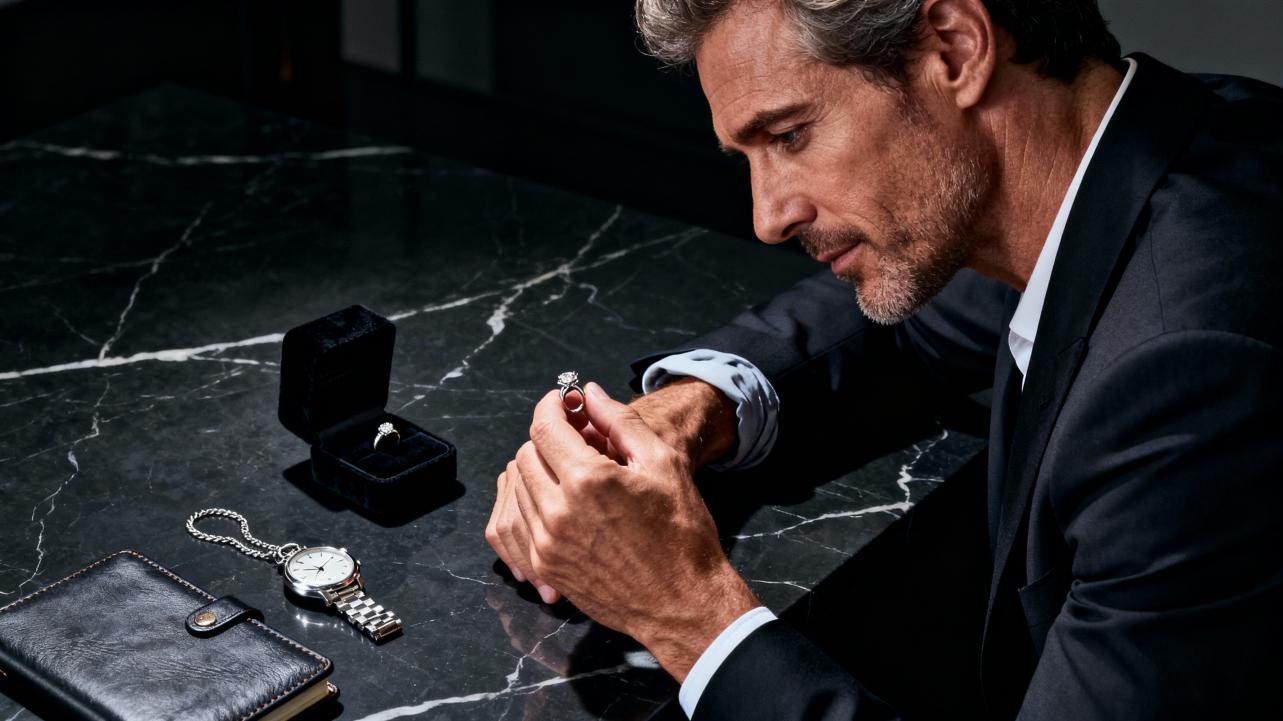
Diamonds carry a double life. To some eyes they are the distilled language of elegance and permanence; to others, they are a shortcut to flash, the sartorial equivalent of shouting in a quiet room. As a jeweler who has fitted stones for boardrooms and ballrooms, I have watched this divide play out in real time. The same gem that reads refined in one setting can feel excessive in another. This is not a contradiction; it is a lesson in proportion, context, craftsmanship, and cultural taste. Here, I unpack why diamonds sometimes register as “tacky,” how to steer your choices toward timelessness, and when it is wise to lean into boldness instead of running from it.
The Taste Paradox: Why “Tacky” Happens
“Tacky” is a judgment about signals. Fashion editors have long warned that chasing microtrends can cheapen a look; “trendy is the last stage before tacky,” as one oft‑quoted maxim frames it. In jewelry, the perception usually crystallizes when the visual message gets loud, busy, or mismatched to the moment. Multiple sources from style and jewelry houses point to the same levers: scale without balance, too many competing focal points, low‑quality finishes that catch the light in the wrong way, and context errors such as gala‑scale sparkle at a Monday staff meeting. By contrast, quiet luxury prioritizes cut quality, clean lines, and restraint. The difference is not anti‑diamond; it is pro‑design.
Scale, Proportion, and the Fine Line Between Bold and Gaudy
Designers interviewed by WWD make a crucial point: a ring turns gaudy when elements compete rather than harmonize. Size alone is not the villain. There are spectacular celebrity rings estimated near 30 carats in recent years; some look transcendent because the mountings are quiet, the shanks slim, and the prongs tidy, while others stray into novelty when every part shouts at once. Step‑cuts like emerald and Asscher, or well‑proportioned ovals and cushions, can carry size with sophistication precisely because their facets read as architecture, not glitter cannons. The same principle applies to smaller stones. Even a one‑carat diamond can feel loud if engulfed in bulky halos, oversize prongs, or aggressively mirrored bands. When in doubt, let the center stone be the star and keep the stage minimal.
Craft and Design Language: When Sparkle Serves the Idea
Perception hinges on craftsmanship. Jewelers who repair and reset heirlooms see, again and again, that precise cutting and a high‑quality polish create an even, deep light return that feels expensive, while rough finishing or sloppy assemblies look harsh. Cluster rings are a perfect case study. Critics call them “tacky” when the cluster overwhelms the idea of a focal point or when the patterning feels fussy. Advocates, including retailers who curate them with care, praise their extra brilliance, lower cost‑per‑carat, and vintage charm. Both views are valid—poorly executed clusters can look busy; thoughtfully arranged clusters can be dazzling, with the bonus of budget flexibility. Here, the quality of the small stones, the symmetry of the arrangement, and the finesse of the setting separate exuberance from excess.
Context and Occasion: Matching the Message to the Moment
Diamonds have range, but the setting—social, not gemological—matters. Red‑carpet stylists coach clients to complement rather than compete with the outfit; deep V‑necklines love a long pendant, strapless gowns take well to chokers or collars, and minimalist necklines sing with a delicate chain. If the dress is intricate, keep the jewelry quiet; if the dress is simple, a hero piece carries the look. In offices, jewelers who advise professionals emphasize classic restraint: studs, a slim solitaire pendant, and a refined bracelet read polished without distraction. The practical rule is to pick one focal point and let the rest support it. Daytime minimalism is not a demotion; it is stage lighting for the wearer.
Finish, Materials, and the Cues Our Eyes Read as Quality
Much of what registers as “cheap” is how hard surfaces talk to light. Fashion writers who dissect costume jewelry caution that bright, plasticky shine and reactive base metals telegraph low quality. Fine diamond jewelry is built in precious metals, but finish remains decisive. White gold often needs periodic rhodium replating; platinum is dense and secure, but it develops a soft patina; both look luxurious when well maintained. Prongs should be even and protective, jump rings closed and sturdy, and links smooth. Too many rings, overly matchy sets, or childish motifs skew juvenile on adults; thoughtful mixes of metal tone and texture look modern and intentional.
Trend Cycles Versus Timelessness
Lumeniri captures why diamonds keep their cultural grip: they adapt. Classics like studs, tennis bracelets, and pendants transition from morning to evening; modern stacks, asymmetry, and mixed metals refresh the vocabulary without diluting it. Younger clients increasingly prioritize ethics and personalization; lab‑grown stones—physically and optically identical to mined—offer budget and sourcing advantages without sacrificing brilliance. The “diamonds before 40 are tacky” trope has aged out; jewelers counsel choosing pieces that mirror one’s confidence and stage of life, not an arbitrary birthday. The test is not era, but coherence.
Reading Glam Versus Gaudy: A Quick Reference
What Often Reads Gaudy |
What Signals Glamour |
Oversize center stones surrounded by heavy halos and thick shanks |
Bold center stones on slim, low‑profile mountings with tidy prongs |
Too many focal points layered at once |
One hero piece with supporting accents |
Overly shiny, low‑grade plating and rough polish |
Even, high‑quality polish and precious metal finishes maintained properly |
Perfectly matchy sets from earrings to bracelet to necklace |
Cohesive but not identical pieces with varied shapes or textures |
Childish motifs or gimmicky charms in adult wardrobes |
Clean geometry, architectural lines, or refined motifs |
Flashy color clashes and neon sparkle |
Harmonized palettes and subtle metal mixing |
Red‑carpet scale in daytime settings |
Scale aligned to context, from office to gala |
Sloppy craftsmanship, open jump rings, snag‑prone prongs |
Secure settings, closed links, smooth finishing |
Colored, Lab‑Grown, and Clustered: Are Alternatives “Tacky” or Just Misunderstood?
Colored diamonds polarize only when the hue and styling fight the outfit. Jewelers who style summer wardrobes use yellow, pink, and blue diamonds as vibrant accents, especially with neutral fabrics and sunlit venues. The same logic that governs white diamonds applies: let one element lead. Lab‑grown diamonds are not “fake” and are widely embraced by clients seeking value and ethical clarity; they share the same physical and optical properties as mined stones and serve beautifully in daily‑wear pieces. Cluster rings, as noted earlier, split opinion on aesthetics but shine on value and visual footprint when the design is intentional and the workmanship crisp.

Minimalism, Quiet Luxury, and the Everyday Diamond
The minimalist turn is not about hiding the stone; it is about composition. Many designers now foreground slender studs, slim diamond bands, and delicate pendants that elevate off‑duty wardrobes. The tennis bracelet—the continuous line of diamonds popularized in the United States after Chris Evert famously lost hers mid‑match—remains a paragon of understated elegance and stacks beautifully if you keep widths slim and finishes coordinated. “Day diamonds” has entered the vocabulary because clients no longer reserve sparkle for black tie. The elegant everyday piece is one you reach for without thinking.

How to Choose Diamonds That Read Elegant
A poised diamond starts with cut. The four Cs—the industry framework codified by the GIA—are a useful lens, but most stylists will tell you to prioritize cut first, then consider color and clarity in the range that looks “eye‑clean,” and finally carat in the scale that flatters your hands and lifestyle. Smaller stones with excellent cut often outshine larger stones with mediocre faceting. For rings, low‑profile settings, bezels, or well‑protected prongs reduce snagging and signal intentional design. For studs, screw backs and secure push locks reduce loss. If you are building a capsule, think in pairs and anchors: a solitaire pendant and studs that harmonize with your metal of choice, a slim tennis bracelet, and one ring—stackable band or statement—to lead when needed. Mixing metals looks modern when tones relate; keep the mix to two families across a single look for cohesion.
Care, Cleaning, and Maintenance
Diamonds score 10 on the Mohs Hardness Scale, which makes them excellent for everyday wear, but their brilliance depends on clean surfaces and secure settings. A practical at‑home routine endorsed by several contemporary guides uses warm water and mild dish soap; soak necklaces and bracelets for about 30 minutes and earrings for about 45 minutes, then gently brush—especially the backs where lotions and skin oils accumulate—rinse, and pat dry with a lint‑free cloth. Avoid harsh chemicals like bleach, and remove jewelry before chores, gardening, workouts, or swimming. Store pieces separately so diamonds do not scratch other gems. White gold will need occasional rhodium replating to maintain its bright finish; platinum will develop a graceful patina. Have a professional inspect prongs and clasps roughly every six months. This cadence catches issues early and preserves both the look and your investment.

Pros and Cons Through a Taste Lens
Diamonds offer a trio of strengths: durability for daily life, an unmatched light performance when cut well, and a cultural resonance that spans from engagements to everyday luxury. They also carry risks to manage. Cost is real; balancing size against quality protects both style and value. Over‑layering, competing focal points, or mismatched scale to context can flip the perception from elegant to excessive. Maintenance—periodic cleaning, inspections, and, for white gold, replating—is not optional if you want the piece to read refined. None of these are reasons to avoid diamonds; they are the road map to wearing them beautifully.
Buying Advice, Grounded and Practical
Start with a coherent style vision aligned to your wardrobe and routine. If you work in a conservative office, build around studs, a pendant at the collarbone, and a slim bracelet; if your evenings include formal events, choose one statement avenue—chandelier earrings, a bold necklace, or a cocktail ring—and keep companions discreet. Insist on grading for significant stones and compare lab‑grown with mined versions through the same quality lens. Try pieces on against the outfits you actually wear. Choose comfort; heavy or snag‑prone pieces do not age well in real life. Edit before you head out the door. An outfit that makes space for diamonds gives them room to speak softly and be heard.
A Personal Note From the Bench
In fittings, I watch the moment when a client softens in the mirror. It is rarely the biggest stone in the case that creates it. It is the right proportion on the right hand, the quiet chime of a tennis line against a wrist bone, or the way a single round‑brilliant at the throat gathers light. The secret is not less sparkle; the secret is edited sparkle.
FAQ
Q: Are diamonds “tacky” before a certain age? A: No. The age rule is a myth with roots in old cinematic lore. Contemporary jewelers advise choosing pieces that reflect your personality, context, and confidence rather than your birth year. A small solitaire pendant or refined studs look ageless because they are designed with restraint.
Q: Are diamond cluster rings inherently tacky? A: They are not inherently anything; execution decides. Well‑crafted clusters with high‑quality small stones and thoughtful symmetry can be striking and cost‑effective. Overly busy, uneven clusters risk a fussy look. Try both cluster and solitaire styles in person and judge by balance and sparkle rather than preconceptions.
Q: How big is “too big” for a diamond ring? A: “Too big” is less about carats than proportion. Even very large stones can look chic when the mounting is quiet, the lines elegant, and the cut refined. Conversely, modest stones can look loud if the setting is bulky. Consider your hand size, daily context, and the visual discipline of the design.
Q: Are lab‑grown diamonds a tacky alternative to “real” diamonds? A: Lab‑grown diamonds are real diamonds with the same physical and optical properties as mined. Many clients choose them for budget and ethical reasons. Elegance depends on cut, design, and styling, not the origin of the crystal lattice.
Q: Can I wear diamonds to the office without looking flashy? A: Yes. Stick to classic, minimal designs—studs, a slender pendant, a refined bracelet—and keep the number of pieces modest. Prioritize cut and cleanliness so stones sparkle tastefully, and let the jewelry complement your tailoring rather than compete with it.
Q: What is the best way to clean and maintain diamond jewelry? A: Use warm water and mild dish soap, soak necklaces and bracelets about 30 minutes and earrings about 45 minutes, brush gently, rinse, and dry with a lint‑free cloth. Remove jewelry for chores and workouts, store pieces separately, and have a jeweler check settings roughly every six months. White gold may require periodic rhodium replating; platinum develops a patina that many find beautiful.
Takeaway
Diamonds read “tacky” when design loses discipline—when scale overwhelms, finishes glare, and context is ignored. They read “timeless” when cut quality leads, settings are proportionate, and styling is edited to one clear message. Invest in craftsmanship, choose scale to suit your life, maintain your pieces, and treat diamonds not as volume knobs but as instruments. Played with intention, they do not shout. They sing.
Sources Cited
WWD, Leon Diamonds, Lumeniri, Missoma, With Clarity, Finks, Greis Jewelers, Pineforest Jewelry, Trey A Diamonds, Tortoiseshell Supply, Vogue, Lee Read, Vucceli, Tanishq, Ken Walker Jewelers.
References
- https://www.abovediamond.com/diamond-style-occasion?srsltid=AfmBOopaGPMEGXi1rviqx330cPIX1rRJrGBnsXOD0yT9ZprSGQvdJoyV
- https://blog.tanishq.co.in/minimalist-guide-to-styling-diamond-jewellery/
- https://www.mddiamondsandjewellers.co.uk/blog/how-to-wear-your-jewelle-to-look-classy-not-tacky-a-guide-to-elegant-accessorising
- https://smart.dhgate.com/are-green-diamond-rings-tacky-or-are-they-the-new-white-diamonds/
- https://www.glamour.com/gallery/how-to-wear-diamonds
- https://www.kenwalkerjewelers.com/blog-post/-the-secret-behind-why-diamond-earrings-never-go-out-of-style-timeless-elegance-and-enduring-appeal
- https://santayana.com/diamonds-style-and-essentials/
- https://treyadiamonds.com/blogs/Ultimate_Guide_To_Wearing_Diamonds_In_Office.html
- https://www.vogue.in/content/21-tips-on-how-to-style-jewellery-including-mixed-metals-and-diamonds
- https://www.exoticdiamondsa.com/blogs/blogs/how-to-style-a-diamond-necklace-for-casual-and-formal-looks?srsltid=AfmBOope7CWczMDFxk6UfJNS1Xax_dzUuDnRwm2bM5ngxnm5B8S75XL6