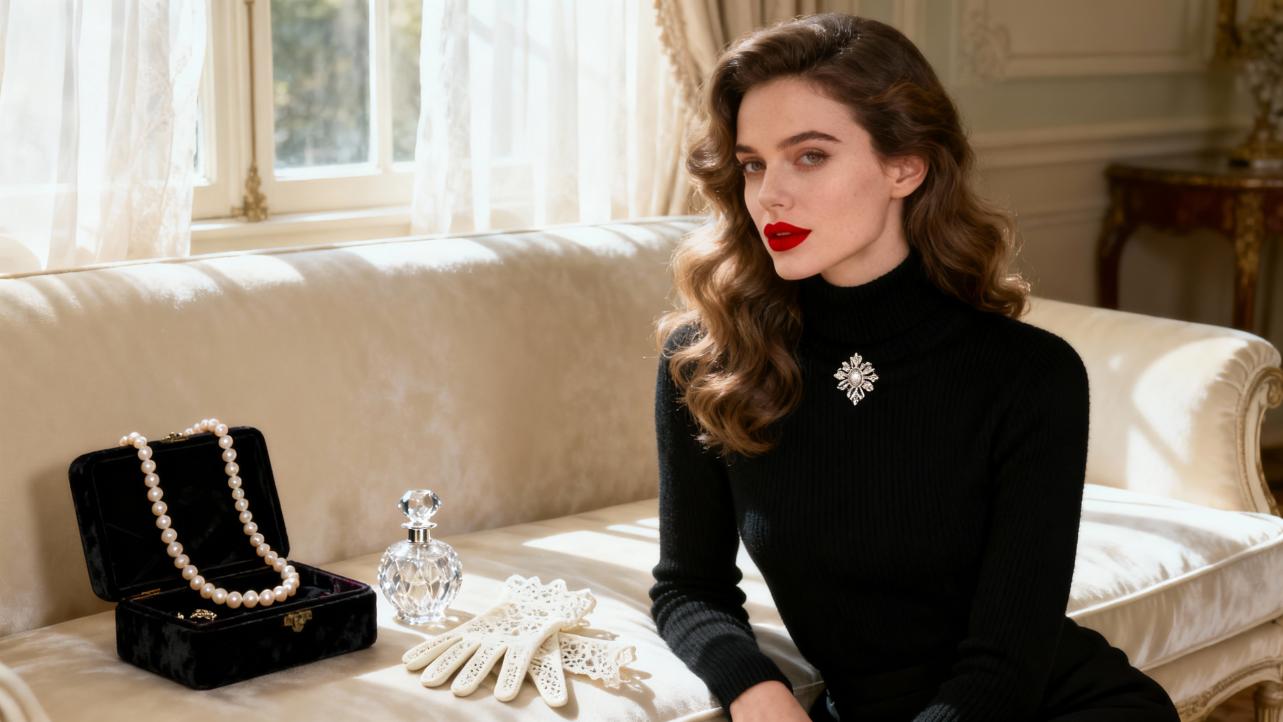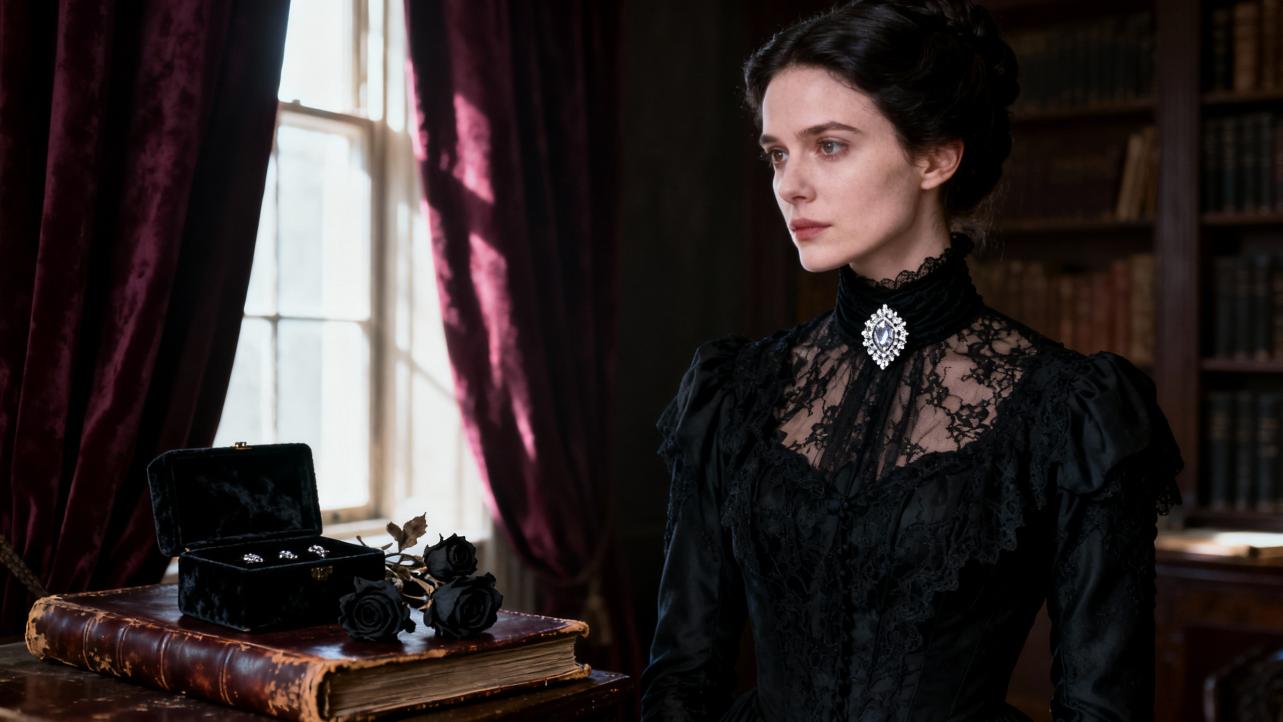
Why Do Some People Prefer Antique-Style Jewelry Designs?
There is a moment, when you fasten an old clasp or catch the light along an engraved edge, that you realize you are not just wearing jewelry. You are wearing a story. For many collectors and clients I’ve advised, this is exactly why antique-style designs exert such a powerful pull. They feel richer, more human, and more enduring than yet another fresh-from-the-box piece in a mall display.
Understanding that preference begins with clarity about what “antique-style” actually means—and then following the trail through history, craftsmanship, emotion, ethics, and everyday wear.
What “Antique-Style” Really Means
In the jewelry trade, language matters. Terms that sound interchangeable in casual conversation carry specific meanings when you are evaluating a piece.
Most jewelers and writers draw a few key distinctions. Antique jewelry is generally defined as being over 100 years old, with examples spanning Georgian, Victorian, Edwardian, Art Nouveau, and early Art Deco periods. These pieces are typically handcrafted and comparatively rare, which is why a well-preserved Georgian ring or Victorian mourning brooch is treated almost like a small sculpture.
Vintage jewelry usually sits between roughly 20 and 100 years old. Guides from established jewelers describe Art Deco, Retro, Mid-Century, and even 1970s or 1980s designs as vintage, depending on age. Vintage pieces tend to capture strong period style while often being durable enough for regular modern wear.
Estate jewelry is simply anything pre-owned, regardless of age. A Retro cocktail ring and a five-year-old designer bracelet both qualify as estate. All antique and vintage jewelry is technically estate, but not all estate jewelry is old.
Then there is vintage-inspired or antique-style jewelry. These are new pieces that borrow the visual language of previous eras. A jeweler might craft an engagement ring with milgrain edges and lace-like platinum filigree reminiscent of Edwardian designs, or recreate the bold geometry of Art Deco using modern manufacturing. A guide from Brown & Company Jewelers points out that vintage-inspired pieces let you enjoy historic aesthetics without the wear issues, sourcing challenges, or authenticity concerns that come with truly old pieces.
When someone says they prefer “antique-style” jewelry, they might be drawn to genuine antiques, to vintage pieces, or simply to new designs that echo those older aesthetics. The common thread is an affection for history, character, and craftsmanship.

The Emotional Pull of History and Story
Clients rarely light up over a specification sheet. They light up over a story.
Jewelry historians and dealers frequently describe antique and vintage pieces as fragments of history and miniature works of art. One British specialist notes that older jewelry is valued not only for its beauty but for its connection to bygone eras, while another writer calls the best antique designs “fragments of history” that showcase human ingenuity in miniature form. These are not abstract ideas when you hold the piece in your hand.
Many antique and vintage jewels began life as bespoke commissions for upper-class clients. They were worn at specific events, given to mark love, grief, or milestones, and then quietly handed down. By the time a Victorian locket or an Art Deco bracelet reaches a modern wearer, it has already lived a life. You are not the first chapter; you are simply the next. Several estate-jewelry guides lean into this narrative appeal, likening antique pieces to reaching back into eras of romance and elegance, and vintage jewelry to breathing life into times gone by.
Younger buyers are increasingly drawn to that feeling. One contemporary jeweler observes that vintage jewelry has surged in popularity among younger clients precisely because they want individuality and pieces with history. They are less interested in a generic, brand-new solitaire and more interested in something that feels like it belonged to someone, somewhere specific.
From years of watching people try on antique and vintage-style pieces, I have seen how a small shift in design can change a wearer’s posture. A client may slide on a slim, modern band and nod politely. But give that same person a finely engraved Edwardian-style ring with softly gleaming diamonds and millegrain edges, and suddenly they move more slowly, more consciously, as if they are stepping into a role. Antique-style jewelry invites that kind of emotional inhabiting, and that is a powerful reason people prefer it.

Craftsmanship You Can See and Feel
One of the most consistent themes across professional guides is craftsmanship. Antique and vintage jewelry—especially the true antiques—were often made slowly, by hand, for demanding clients. That has consequences you can still feel on the skin.
Articles from estate specialists and antique dealers emphasize that, historically, jewelry was hand-made or hand-finished with great care. Georgian pieces, for example, commonly used foil-backed stones in mixed metal settings designed to catch and intensify candlelight. Victorian jewelers created intricate engraving and nature motifs—leaves, birds, flowers—often in gold or platinum with diamonds, pearls, and colored gemstones. Edwardian designers pushed platinum filigree to almost ethereal extremes, combining airy lace-like patterns with diamonds and sapphires, outlined by tiny platinum beads known as milgrain. Art Nouveau workshops produced imaginative, nature-inspired forms and intricate enamel that mimicked stained glass, sometimes favoring moonstones, opals, and agates over diamonds.
By contrast, many modern pieces are cast in bulk, finished quickly, and designed primarily to align with current trends. Contemporary jewelers certainly create extraordinary work, but much of what fills mainstream cases simply does not carry the same concentration of hand labor.
This difference filters into value as well. Several writers note that new jewelry pricing often reflects marketing, branding, and modern manufacturing overheads, whereas older jewelry pricing more directly reflects the intrinsic worth of materials, the level of craftsmanship, and rarity. One gem-focused article even highlights how independently assessed replacement values for antique items typically exceed what collectors actually pay, which means a buyer may acquire a handcrafted gold antique for less than the retail price of a modern gold-plated piece.
For someone who appreciates meticulous workmanship, antique-style designs—whether original or newly made to replicate those techniques—offer a palpable sense of quality. You can run your fingertip along a hand-cut stone, feel the crispness of a chased motif, or notice that two earrings, though “matching,” are just slightly different in weight because each was finished by hand. Those small irregularities are not flaws; they are signatures of a human maker. Many people prefer antique-style jewelry because it still feels made, not manufactured.

Individuality in a Mass-Market World
There is also a simple aesthetic truth: antique and vintage-inspired designs help people stand out.
Multiple sources emphasize that older jewelry tends to be unique or produced in very limited numbers. Before jewelry was widely mass-produced, many pieces were one-off commissions for specific clients. Modern collectors, especially younger ones, are gravitating toward vintage because they do not want to look like everyone else. A guide from Martin Busch Jewelers notes that these buyers seek individuality and pieces with emotional resonance. Another essay on vintage’s renewed popularity in the luxury market points out that shoppers are drawn to one-of-a-kind accessories and the sense that no one else in the room is wearing the same piece.
Antique-style designs naturally support that desire. Art Deco geometry, with its bold symmetry, long necklaces, and stacked bracelets, feels dramatically different from minimalist contemporary pieces. Retro designs play with oversized forms, glamorous colored stones, and sculptural gold. Mid-Century jewelry embraces abstract and floral motifs, pavé settings, and large cocktail rings. Victorian and Edwardian influences add floral, heart, snake, or bow motifs, often with seed pearls, turquoise, or filigree. When these design languages appear in modern, vintage-inspired pieces, they still offer visual individuality compared with today’s more ubiquitous trends.
In practice, I see clients respond to this individuality in subtle but telling ways. Someone who normally shies away from jewelry might suddenly fall for a vintage-style snake ring because it feels like a private symbol. Another person who works in a conservative office might choose an Edwardian-inspired diamond pendant rather than a very modern design, because its filigree reads as graceful and personal instead of flashy. Antique-style jewelry gives them a way to express personality without shouting.

Sustainability, Ethics, and the “Conservator” Mindset
For others, preference has as much to do with values as aesthetics.
Several estate and antique jewelry guides frame buying older jewelry as a sustainable, ethical choice. Because antique and vintage pieces reuse existing metals and gemstones, they reduce demand for new mining and the environmental impact that comes with it. One article explicitly describes the buyer of antique jewelry as a conservator rather than a consumer, a phrase that resonates with many environmentally conscious clients.
This perspective extends beyond strict antiques. Estate jewelry of any age, and even vintage-inspired pieces that incorporate reclaimed stones or metals, participate in a slower, more circular way of consuming adornment. Rather than commissioning something entirely new with freshly sourced gemstones, a client might have a jeweler reset an inherited diamond into a ring designed with vintage cues. Another might choose a carefully restored Retro bracelet over a brand-new piece of similar visual weight.
Ethical considerations also intersect with history in more complex ways. One British dealer notes that older diamond jewelry predates the era associated with so-called conflict or blood diamonds, which became a global concern in the late twentieth century. While ethical sourcing still requires care and documentation, some buyers take comfort in the fact that a ring created generations ago is removed from more recent supply-chain controversies.
For people who think as carefully about their environmental and ethical footprint as they do about their wardrobe, antique-style jewelry offers a way to wear beauty while honoring those convictions.

Value, Rarity, and the Investment Mindset
Another reason some people prefer antique-style designs is the sense that they are not just buying adornment, but acquiring an asset.
A number of articles on antique jewelry explicitly treat it as a potential investment. The core argument is consistent: well-chosen older pieces can appreciate over time because they become rarer, they showcase craftsmanship that is increasingly difficult to reproduce, and they remain sought after in secondary markets. Gold-based antique jewelry, for example, benefits both from intrinsic metal value and from its artistry. One author on antique and vintage jewelry notes that gold prices had risen by more than 81 percent over five years at the time of writing, reinforcing the appeal of gold jewelry as a safe-haven store of value.
Because antique and high-quality vintage pieces have already made the transition from “new” to “old,” they do not suffer the same immediate depreciation that many modern pieces do the moment they leave a retail case. Several estate specialists observe that the purchase value of good antique and vintage objects tends to stay stable and often rises over time, particularly for desirable periods such as Art Deco or for signed pieces from renowned houses.
Estate jewelry adds another dimension: it often sells below its intrinsic material and craftsmanship value simply because it is pre-owned. A guide from Joshua Kodner notes that estate pieces can therefore be a cost-effective alternative to brand-new jewelry, especially when buyers are willing to hunt for treasures among less aggressively marketed items.
Of course, this investment angle comes with responsibilities. Authenticity, provenance, condition, and market demand all matter. Multiple sources advise prospective buyers to work with knowledgeable professionals, pay attention to hallmarks and maker’s marks, and understand how factors like era, materials, craftsmanship, and documented history influence pricing. When those elements align, antique-style jewelry can satisfy both the heart and the spreadsheet.

The Romance of Different Eras
Part of the preference for antique-style design is almost cinematic: people fall in love with the mood of a particular era.
Georgian and Victorian Echoes
Georgian jewelry, dating from the early eighteenth to early nineteenth centuries, is rare today. Surviving pieces often feature hand-crafted gold and silver settings with foil-backed gemstones, floral or scrolling motifs, and a gentle, candlelit sparkle. Many genuine Georgian pieces were historically melted down, which makes intact examples all the more coveted.
Victorian jewelry, inspired by Queen Victoria’s personal tastes, is famously varied but consistently rich in symbolism. Early Romantic-period pieces lean into hearts, flowers, and sentimental motifs. Later designs engage with mourning themes, including black jet jewelry and lockets for hair or portraits, while still embracing colored gemstones, seed pearls, turquoise, and other materials. Antique-style pieces that draw on Victorian language feel inherently romantic and narrative, which appeals to those who see jewelry as a talisman rather than a simple accessory.
Art Nouveau and Edwardian Lightness
Art Nouveau, emerging around the turn of the twentieth century, pushed back against industrial mass production. Jewelry from this period favors organic, nature-inspired forms, flowing lines, and imaginative use of color. Advanced enameling techniques created effects reminiscent of stained glass, and designers often chose moonstones, opals, and similar gems for their ethereal quality.
Edwardian jewelry overlaps these years but looks back to eighteenth-century elegance. Fine platinum filigree, delicate millegrain, and lacy structures set with diamonds, pearls, sapphires, and aquamarines give Edwardian pieces an almost weightless appearance. Guides consistently highlight Edwardian rings as among the most popular vintage engagement ring styles today, precisely because they feel refined and romantic without being overly ornate.
People who prefer antique-style jewelry often respond to these qualities—a sense of hand-drawn line, natural movement, and airy lightness that is difficult to find in modern minimalist designs.
Art Deco, Retro, and Mid-Century Drama
Art Deco, flourishing between the world wars, is perhaps the single most sought-after style for antique engagement rings in the current market. It marks a decisive shift into the machine age: bold geometric shapes, strong symmetry, sharp contrast between diamonds and colored stones, and sleek architectural lines. White metals such as platinum and white gold support this cool, modern aesthetic. For many contemporary wearers, Deco-style jewelry feels astonishingly current, despite being nearly a century old.
Retro jewelry, spanning the 1940s and 1950s, adapts Deco’s visual language into bigger, more sculptural forms. Constraints on materials during wartime led to generous, three-dimensional gold designs, soft curves, and statement-making pieces that still read as glamorously modern. Mid-Century designs continue that energy with large, colorful gemstones in abstract or floral settings, including the exuberant cocktail rings that remain popular with vintage-loving clients.
Antique-style pieces inspired by these eras appeal to those who want jewelry that feels assertive and graphic, rather than delicate or purely decorative. In a world of fine, barely-there chains, a Deco-inspired bracelet or Retro-style ring can feel refreshingly unapologetic.

Everyday Practicalities: Wearability and Styling
Preference is never purely theoretical. It is shaped by how jewelry behaves in real life.
Many experts draw a practical distinction between antiques and vintage pieces. True antiques, especially those over a century old, are often more fragile. They may use older constructions, softer alloys, or stone settings that were not designed for modern, hands-on lifestyles. Several guides recommend wearing such pieces primarily for special occasions and having them inspected regularly by professionals.
Vintage jewelry, particularly mid-twentieth-century pieces, tends to be more robust and easier to integrate into daily outfits. One jeweler notes that vintage items are often durable enough for regular wear while still delivering distinctive style. Another recommends professional cleaning and inspection at least every six months, along with everyday care such as putting jewelry on after beauty products and removing pieces before chores.
Styling advice for antique and vintage items tends to emphasize balance and intentionality. A fashion-oriented article on wearing vintage jewelry encourages choosing necklaces based on neckline: longer chains suit deep plunges, while shorter pieces flatter sweetheart shapes. Vintage lariats or knotted necklaces with small pendants are highlighted as versatile choices that complement many outfits. For earrings, color, length, and shape should harmonize with hairstyle, with long statement earrings particularly effective on short or swept-back hair—so long as they are allowed to be the main focus rather than competing with other large pieces.
Wardrobe-focused guides also recommend mixing old and new. Antique or vintage rings can anchor a modern stack; long vintage chains can be layered, doubled, or knotted for a contemporary draped effect; brooches can migrate to lapels, scarves, or even hair accessories. Some stylists encourage mixing eras as well, combining, for example, Art Deco geometry with Victorian romantic details, unified through color or metal tone.
Vintage-inspired jewelry adds another layer of practicality. As Clientbook points out, retailers can offer antique-style collections that evoke Art Deco or Victorian aesthetics while still being newly made and structurally robust. For someone who loves the look of filigree or old mine-cut stones but wants the security of modern construction, this can be a compelling compromise.

When Antique-Style Jewelry May Not Be the Best Choice
Preference also implies discernment. Antique-style jewelry is not ideal for everyone or every situation, and serious enthusiasts are often the first to admit that.
Authenticity and knowledge matter. Several guides warn about the importance of understanding hallmarks, maker’s marks, and era-specific materials. There is also the issue of paste jewelry, where glass is used to imitate gemstones. One specialist describes paste as often very brightly colored, sometimes foil-backed, and frequently set in plated brass or silver. These pieces can be charming and fun, but they typically do not justify the cost and risk of extensive remodelling. Without expertise or trusted guidance, a buyer might overpay for low-value items or inadvertently dismantle a historically important piece.
Condition and wearability are another concern. Antique pieces can be delicate, with worn shanks, aging settings, or metals that have become thin over time. Restoration can make them more wearable but may slightly reduce originality, while leaving them untouched may limit how often they can safely be worn. Buyers need to decide whether they are comfortable owning jewelry that is more heirloom than everyday accessory.
Maintenance requirements may also deter some people. Vintage and antique-style pieces with intricate settings, enamel, or softer stones demand gentler cleaning, careful storage, and periodic professional inspections. Those who prefer low-fuss jewelry might gravitate toward simpler modern designs or robust designer pieces that can withstand more casual treatment.
Finally, there is the emotional question of fit. Inherited or gifted jewelry, even when historically significant, may not match a person’s style. Thoughtful advisors encourage people to live with such pieces for a while, clean them, and actually wear them before deciding whether to sell, store, or remodel. If, after that trial, the jewelry still feels like a costume rather than an extension of self, it may be better to commission a new vintage-inspired piece that captures the spirit of the old design while genuinely suiting the wearer.

A Brief FAQ on Antique-Style Preferences
Why choose antique-style over strictly modern designs?
For many people, antique-style jewelry offers more than adornment. It combines evocative design, visible craftsmanship, narrative depth, and often better long-term value than fashion-driven modern pieces. Those qualities can make a ring or necklace feel like a companion rather than an accessory.
Is it better to buy true antique pieces or vintage-inspired jewelry?
The answer depends on your priorities. True antiques carry authentic history, potential rarity, and strong collector appeal but may be fragile or require more care. Vintage-inspired pieces deliver similar aesthetics with modern construction, which can be better for everyday wear. Many collectors enjoy both: authentic antiques for special moments and antique-style creations for regular use.
How can someone new to this world begin safely?
Most professional guides agree on a few basics: learn the age definitions, pay attention to hallmarks and materials, work with reputable jewelers who can explain era-specific traits, and buy pieces that elicit an immediate emotional response rather than chasing trends. Starting with one well-chosen ring, pendant, or bracelet and wearing it often is usually the best teacher.
Antique-style jewelry calls to those who want their adornment to carry memory, intention, and artistry. Whether the piece is truly a century old or newly crafted with a Deco line or Edwardian scroll, the preference is rooted in a desire for depth in a world that often prizes surface. When someone reaches instinctively for an antique-style design, they are not just choosing a look. They are choosing to wear history on their skin, and to let their own story become part of a much longer one.
References
- https://alexandriastylebook.com/alexandria-stylebook/mystique-how-to-wear-vintage-jewelry-stylishly-march-15-2023
- https://www.antiquejewellerycompany.com/10-reasons-to-buy-antique-vintage-jewellery/?srsltid=AfmBOooo8lO6przgCGfdc9uxle6nT9uRq0DpZTRDcQwXbKhzc_-oYaqM
- https://www.clientbook.com/blog/vintage-jewelry-is-making-a-comeback--heres-how-to-attract-modern-shoppers-with-a-classic-twist
- https://smart.dhgate.com/designer-vs-vintage-jewelry-is-new-actually-better-or-is-older-cooler/
- https://www.heirloom.london/advice/jewellery-remodelling-cherished-jewellery-not-your-style
- https://joshuakodner.com/guide-to-vintage-antique-estate-jewelry/
- https://www.langantiques.com/knowledge/about-antique-and-vintage-jewelry?srsltid=AfmBOorq9lS7kRzXaI0EFNa8mS_o5huV5eAvg3_Y5O9C1Qk5uo2TUR-H
- https://www.lifeisshortdiamonds.com/blog/lisd-blogpost-11-reasons-to-fall-in-love-with-antique-and-vintage-jewellery
- https://www.vogue.com/article/best-vintage-jewelry
- https://www.argolehne.com/blog/the-difference-between-antique-vintage-and-estate-jewelry/