When Is the Best Time to Buy Your First Luxury Jewelry Piece?
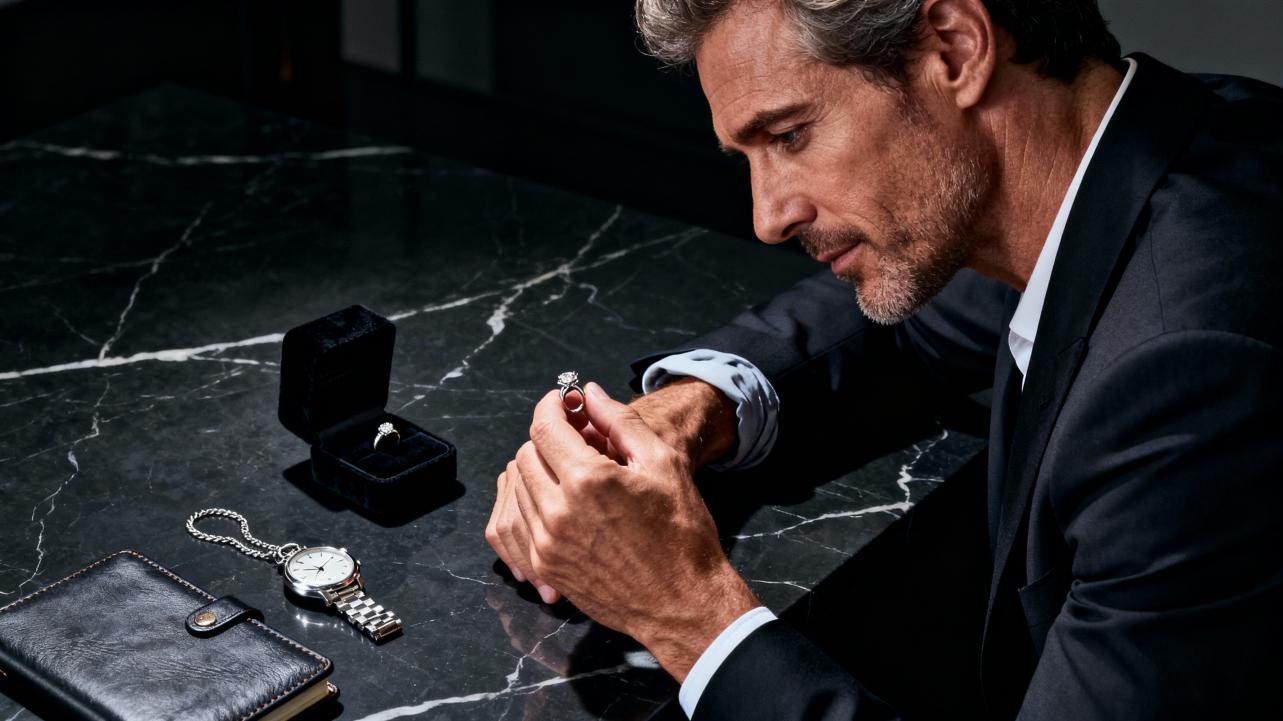
A first luxury jewel is more than an accessory; it is a milestone. The moment you choose it should honor both your story and your standards. As a longtime connoisseur who has stood under diamond spotlights in hushed salons and negotiated quietly in off-season afternoons, I have learned that timing exerts real influence on price, selection, and service. This guide marries that first-hand perspective with industry data and retailer insights to help you decide when to buy—and how to buy well.
The Two Clocks That Matter: Life Moments and Market Cycles
Your life moment should lead. Proposals, promotions, anniversaries, and birthdays deserve celebration on your schedule, not the market’s. Yet the market runs its own cycles across seasons, holidays, and inventory turns. Marrying those two clocks—your personal timeline and the industry’s rhythm—delivers the best blend of meaning and value. If your date is flexible, lean into quiet months and clearance windows. If your moment is fixed, start early, lock quality, and use retailer programs and value-adds to optimize the purchase.
Seasonality, Explained with Evidence
Retailers discount for predictable reasons. They clear inventory after peak gifting periods. They compete fiercely in November. They entice shoppers in midsummer, when store traffic dips. Post-holiday January and late winter are particularly fertile, as returns swell stock and jewelers recalibrate assortments. Several sources echo these realities. Editorial guidance from Amberhats highlights slower summer months and post-holiday opportunities. Daniel Diamonds notes that January through March often brings attractive pricing for gold and silver, with a common early-January dip. Jewelheart California points to January–March clearance, late May promotions after Mother’s Day, and the July–August summer slump, while Martin Busch Jewelers underscores that retailers tend to discount settings far more than center diamonds, especially around holiday events. November remains the tactical heavyweight: Diamonds on Wabash details how Black Friday, Cyber Monday, and Small Business Saturday widen selection and sweeten offers with perks, financing, and extended returns. For broader context, Arizton Advisory & Intelligence reports that the U.S. jewelry market stood at about $78.40 billion in 2024 with steady growth ahead, while Robb Report, citing Citi card data, found jewelry spending rising when other luxury sectors softened, including a notable increase in May 2025. In other words, demand is resilient, but prices still ebb and flow with the calendar.
What to Buy When: A Quick Calendar
Window |
Best For |
Why It Works |
What to Watch |
Early January to March |
Gold, silver, bridal settings, engagement rings after Valentine’s |
Post-holiday returns and clearance swell selection; gold often softens early in the year; jewelers negotiate on in-stock items |
Popular center stones rarely discounted; confirm sizing and lead times |
Late May to early June |
Gifts after Mother’s Day, graduation pieces, classic gold |
Retailers clear seasonal stock; occasional dips in precious metals improve leverage |
Check deadlines for custom work; verify return windows |
July to August |
Everyday fine pieces, wedding bands, bespoke projects |
Summer slump lowers traffic; more personalized service; spring collections on clearance |
Thin in-store inventory for rare stones; plan ahead for fall |
November through early December |
Ready-to-gift pieces, watches, lab-grown diamond staples |
Major promotions and widest holiday selection; perks and financing common |
Best items sell early; compare final out-the-door prices, not just % off |
Late December to early January |
Clearance on unsold holiday stock |
Year-end and New Year markdowns; occasional incentives or extra services |
Limited sizes, colors, and carat choices; inspect craftsmanship closely |
Post–Valentine’s (late February) |
Romantic motifs, ruby and heart-shape designs |
Retailers rotate love-themed inventory; quieter showrooms |
Timing is tight for spring proposals; verify sizing turnaround |
Post-Holiday and Early Spring: The Quiet Advantage
January is the sleeper hit for first-time buyers. Inventory is fresh from returns and exchanges, and sales teams are willing to talk through specifics without the December crowd. Daniel Diamonds describes early-year windows as favorable for precious metals pricing, a view echoed by Jewelheart California and others. If you are ring-focused, use this moment to secure a superb setting and then source a center stone deliberately instead of rushing into a bundled purchase. If your proposal is in spring, shop in January, choose the setting, and let the stone selection follow once you have clarity on cut quality and budget.
Late May and Early June: Understated Value
After Mother’s Day, retailers tidy assortments and prepare for summer. You will often find value on classic pieces such as gold chains, tennis bracelets, and birthstone jewelry. If you have a summer celebration coming, this is a comfortable time to act without holiday pressure. Use this period to evaluate finished goods in stock, a tip Daniel Diamonds recommends for faster delivery and potential savings.
The Summer Slump: Space to Think, Time to Customize
July and August bring quieter showrooms. Amberhats and Jewelheart California both point to midsummer as a discount-friendly period. I love this interval for deliberate, bespoke projects. Designers and bench jewelers can linger with sketches, CAD adjustments, and stone comparisons. The trade-off is that extremely specific gems may be less likely to be in-store; plan extra time for sourcing.
November’s Big Three and December: Fireworks and Fine Print
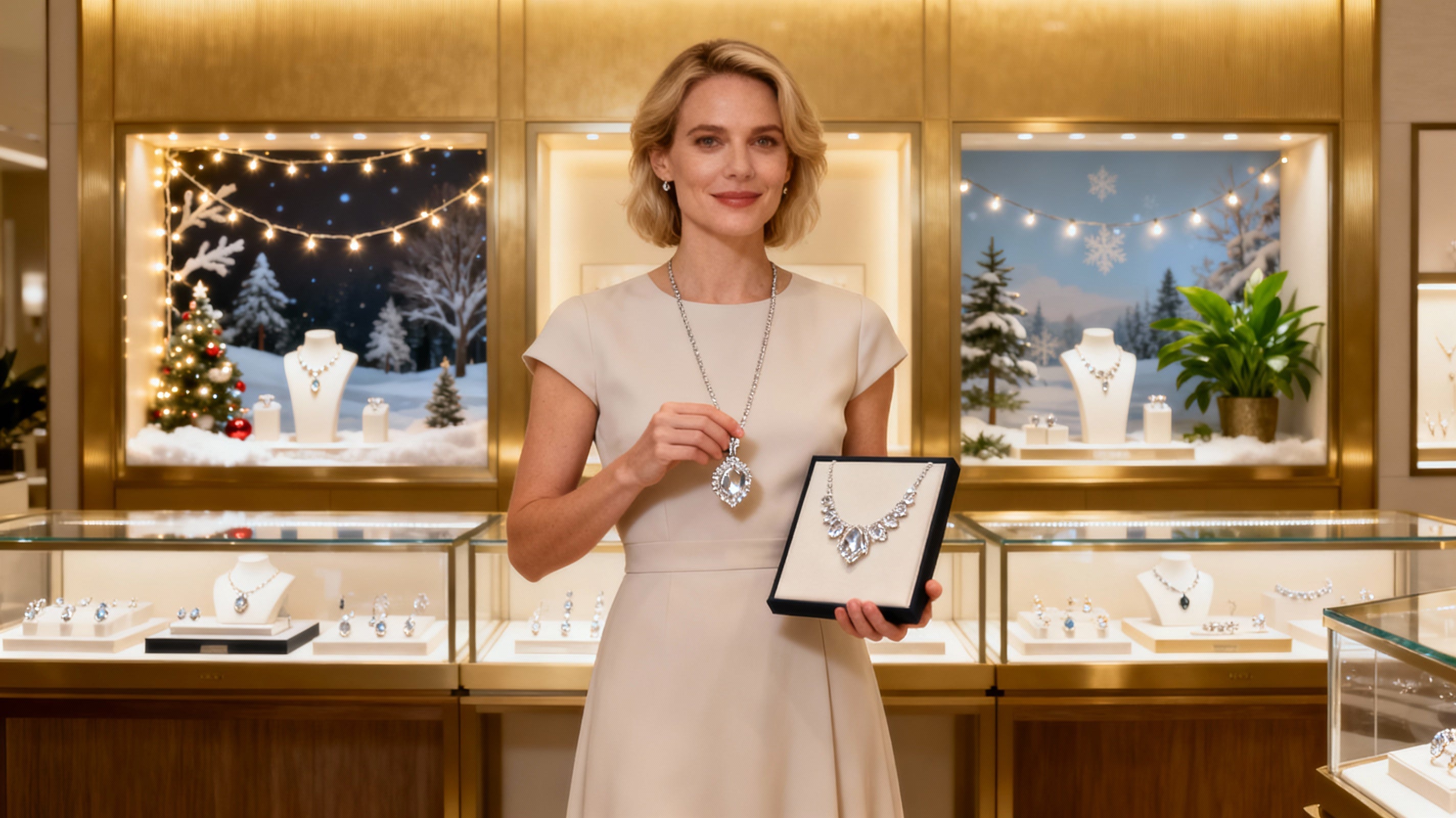
Black Friday, Small Business Saturday, and Cyber Monday create the year’s most competitive environment. Diamonds on Wabash highlights add-ons such as complimentary cleaning, free appraisals, extended warranties, and interest-free layaway. Flowster explains why rich promotions work in jewelry: strong margins allow meaningful discounts and bundles without torching profitability, especially when retailers use these moments to move older inventory and acquire future loyalists. The playbook here is disciplined. Track pre-sale prices before November, sign up for early-access notifications, and confirm the total, out-the-door number including taxes, warranties, and resizing. Shop early because the best cuts and colors go first. December remains a tremendous selection month, but you will contend with rush timing and possible premium pressures on hot items.
Early Autumn and Post–Valentine’s: Transitional Bargains
Transitional months create gaps. Robinsons Jewelers points to March and September as fruitful for estate jewelry and one-of-a-kind finds. After Valentine’s Day, romantic motifs move into markdowns, a pattern echoed by Jewelheart California. If you love a heart-shape pendant or a ruby halo, late February is your friend.
Engagement Rings, Watches, and Gemstones: Timing Nuances
Rings behave differently from other categories because center stones anchor value. Martin Busch Jewelers notes that while holiday promotions may trim a setting’s price, center diamonds seldom receive material discounts. For the best overall ring value, I favor January or the weeks after Valentine’s Day, as multiple sources suggest, because assortments are broad, sales teams are attentive, and turnaround times are kinder. If you are commissioning a custom ring, consider mid-year months when jewelers are less pressed.
Watches reward patience at the end of the year. Amberhats notes that luxury watches often see compelling promotions during year-end events or brand anniversaries. If you plan around November and December, use the fall to research reference numbers, bracelet sizes, and service histories, then pounce when the right configuration appears.
Colored gemstones follow their own demand pulse. Amberhats recommends watching market reports for stones like sapphires and rubies to buy in off-peak months. In practice, that means shopping outside of major gifting periods and avoiding moments when a stone catches fashion-media spotlight. When taste turns to a specific hue, take an extra week to compare saturation, tone, and clarity so you are sure of your own eye rather than the mood of a season.
Online Versus In-Store: Where Your First Piece Finds You
Online retailers excel at transparency, breadth, and price competition. Amberhats highlights exclusive web promotions, lower overhead, and easy comparisons that often translate to better pricing. Yet Arizton Advisory & Intelligence reminds us the offline channel still leads for jewelry, because the tactile, try-on experience and in-person service matter, especially for first-time luxury buyers. I advise using both. Do the forensic work online, then visit a trusted showroom to verify color, sparkle, and craftsmanship—or schedule a virtual consultation with high-resolution imaging and AR try-ons if you are remote. As your last step, reconcile the best all-in offer from both channels.

Lab-Grown Diamonds: The Value Case for First-Time Buyers
Lab-grown diamonds have matured into a mainstream choice, sharing the same optical and physical properties as mined stones while offering meaningful value. Brenton Way notes that the lab-grown market measured around $24.00 billion in 2022 and is projected to expand robustly by 2032, with major retailers offering growing assortments. For a first luxury piece, especially studs, solitaire pendants, and classic engagement rings, lab-grown can expand your budget’s reach in color and carat. The trade-off is more limited long-term resale relative to top-tier mined stones, but for daily wear and visible impact, the proposition is compelling. For mined diamonds, focus relentlessly on cut and optically verified performance; for lab-grown, insist on reputable grading and the same workmanship standards for settings.

Budgeting, Replacement Price, and How to Negotiate Well
Define your budget before you step into the case lights. Daniel Diamonds explains replacement price as a core behind-the-scenes mechanic, where jewelers reprice to cover the future cost of replacing a sold item when raw materials move. Knowing that pricing logic gives you context and prevents the unhelpful assumption that occasional price increases are mere markups. Shop right before or right after holidays to catch price breaks. Ask to see finished, in-stock goods for quicker delivery and better leverage. Track precious metal trends and consider buying on dips early in the year or mid-spring. During slower months or post-season, a polite inquiry about flexibility on the tag—paired with a willingness to finalize today—goes further than you might expect.
Quality, Certification, and Protections
Documents protect your joy. Diamonds on Wabash recommends diamond grading from recognized institutes; ask for GIA or AGS for center stones and pay attention to metal purity stamps, craftsmanship, and the retailer’s return and warranty terms. Flowster’s perspective on promotions aligns with practice: bundles, complimentary services, and 0% promotional financing can enhance total value when everything is clearly spelled out. Always align the financing term to your comfort level; a beautiful ring should sparkle, not stress your monthly budget. If you are considering estate or vintage pieces, be rigorous about provenance and condition. For watches, request service records and understand what the retailer certifies and what the manufacturer will support.
Care, Insurance, and Longevity
A well-chosen jewel should be worn and loved, not hidden. The key is simple care. Keep pieces separated so metal does not abrade metal and prongs do not scratch softer stones. Clean diamonds and sturdy sapphires with warm water, mild soap, and a soft brush; reserve ultrasonic cleaners for stones known to be safe and intact. Schedule prong checks, stone tightening, and a professional clean once or twice a year. Photograph your piece and retain purchase documents for appraisal and insurance. For a first luxury jewel, adding a rider to your homeowner’s or renter’s policy creates affordable peace of mind.
The Market Backdrop: Why Timing Isn’t Everything
Data can clarify, but it should not eclipse taste and meaning. Arizton Advisory & Intelligence describes a market growing steadily, with rings leading and younger buyers driving personalization, omnichannel shopping, and stackable designs. Robb Report’s coverage of Citi’s card analysis indicates jewelry’s durable momentum even when other luxury segments waver. Those forces help explain why diamonds, gold, and heirloom-quality design still attract serious buyers. Yet the most important variable remains your eye. If a piece haunts you in the best possible way, that is a strong signal. A well-negotiated price is excellent; a well-chosen jewel is forever.
Pros and Cons by Season, Put Simply
Quiet months deliver attention and flexibility, plus room for custom work and thoughtful comparisons; they may, however, require patience if the perfect stone is not immediately at hand. Major promotions offer breadth, perks, and occasionally irresistible pricing; they demand swift action, prior research, and vigilance on terms. Transitional windows can reveal hidden gems in estate cases; they also require decisiveness when one-of-a-kind pieces appear. None is categorically superior. Align the season to your goal, then buy with conviction.
Takeaway
The best time to buy your first luxury jewelry piece is when personal significance intersects with market advantage. If you have flexibility, January to March and midsummer are prime. If you are targeting watches or holiday gifts, November’s promotions reward preparation and speed. For engagement rings, focus on the right stone and a beautifully made setting, and consider the quieter weeks after Valentine’s Day. Whatever the calendar says, insist on credible grading, careful craftsmanship, and a total price you understand. When you see that one piece that feels like it has been waiting for you, timing becomes not just a date on the calendar but the perfect moment to begin your collection.
FAQ
When is the best month to buy an engagement ring?
January and the weeks after Valentine’s Day are consistently strong. Retailers have fresh post-holiday inventory, showrooms are calmer, and turnaround times for sizing and finishing are friendlier. Several jewelers also note that while settings may be included in holiday promotions, center stones are rarely discounted, so shopping outside peak demand helps you focus on quality rather than coupon math.
Are November deals actually better for fine jewelry?
They can be excellent, especially when you have tracked pre-sale prices and act early. Retailers widen selection and compete with financing and value-adds. Industry commentary from Diamonds on Wabash and Flowster emphasizes that holiday promotions are real but vary by category, with especially strong opportunities in ready-to-gift pieces, lab-grown diamond staples, and watches. Compare final totals, not just the advertised percentage.
Should first-time buyers consider lab-grown diamonds?
Yes, particularly for studs, pendants, and solitaire rings where visual presence per dollar matters. Brenton Way notes strong growth and mainstream adoption. Insist on reputable grading, the same as you would for a mined stone, and invest in sturdy, well-made settings. If long-term resale is a priority, discuss mined options and cut quality with a trusted jeweler.
Is online or in-store better for a first luxury purchase?
Use both. Amberhats highlights the price and comparison benefits online, while Arizton Advisory & Intelligence shows the offline channel remains essential for tactile evaluation and service. Research digitally, then verify color, sparkle, and craftsmanship in person—or use high-quality virtual consultations if you are remote. Gather both quotes and choose the best all-in value with terms you trust.
How do gold and precious metal prices affect timing?
When metals soften, finished jewelry can become easier to negotiate, especially on in-stock pieces. Daniel Diamonds notes that early-year periods often present attractive windows, and mid-spring can offer another dip. Track spot trends only as a guide; prioritize the piece you love and a retailer who will stand behind it.
What documents should I always ask for?
For diamonds, ask for grading reports from recognized institutes such as GIA or AGS. Confirm metal purity, craftsmanship, and the return and warranty terms. If buying estate or vintage, request provenance details and a thorough condition assessment. For watches, obtain service history and clarify manufacturer versus retailer coverage.
Sources Consulted
Arizton Advisory & Intelligence; Robb Report; Amberhats; Daniel Diamonds; Diamonds on Wabash; Martin Busch Jewelers; Jewelheart California; Brenton Way; Diamond Veneer; Robinsons Jewelers; Medill Spiegel Research Center; Flowster.
References
- https://spiegel.medill.northwestern.edu/winter-holidays-early-insights/
- https://www.accio.com/business/luxury_jewelry_trends
- https://amberhats.com/blog/what-is-the-best-time-of-year-to-buy-jewelry.html?srsltid=AfmBOorKs8gj0ypbRucytI38PpIGXO_mudKP0dgZx3YqA9EIwZ6lbQJT
- https://www.arizton.com/market-reports/us-jewelry-market
- https://brentonway.com/jewelry-marketing-trends/
- https://flowster.app/why-jewelry-businesses-offer-big-discounts-during-special-occasions/
- https://www.globalgrowthinsights.com/market-reports/luxury-jewelry-market-116963
- https://jewel360.com/blog/seasonal-sales-patterns
- https://www.lumalume.com/blog/best-time-to-buy-jewelry.html
- https://en.prismanote.com/blog/seasonal-trends-in-jewelry-and-how-to-leverage-them