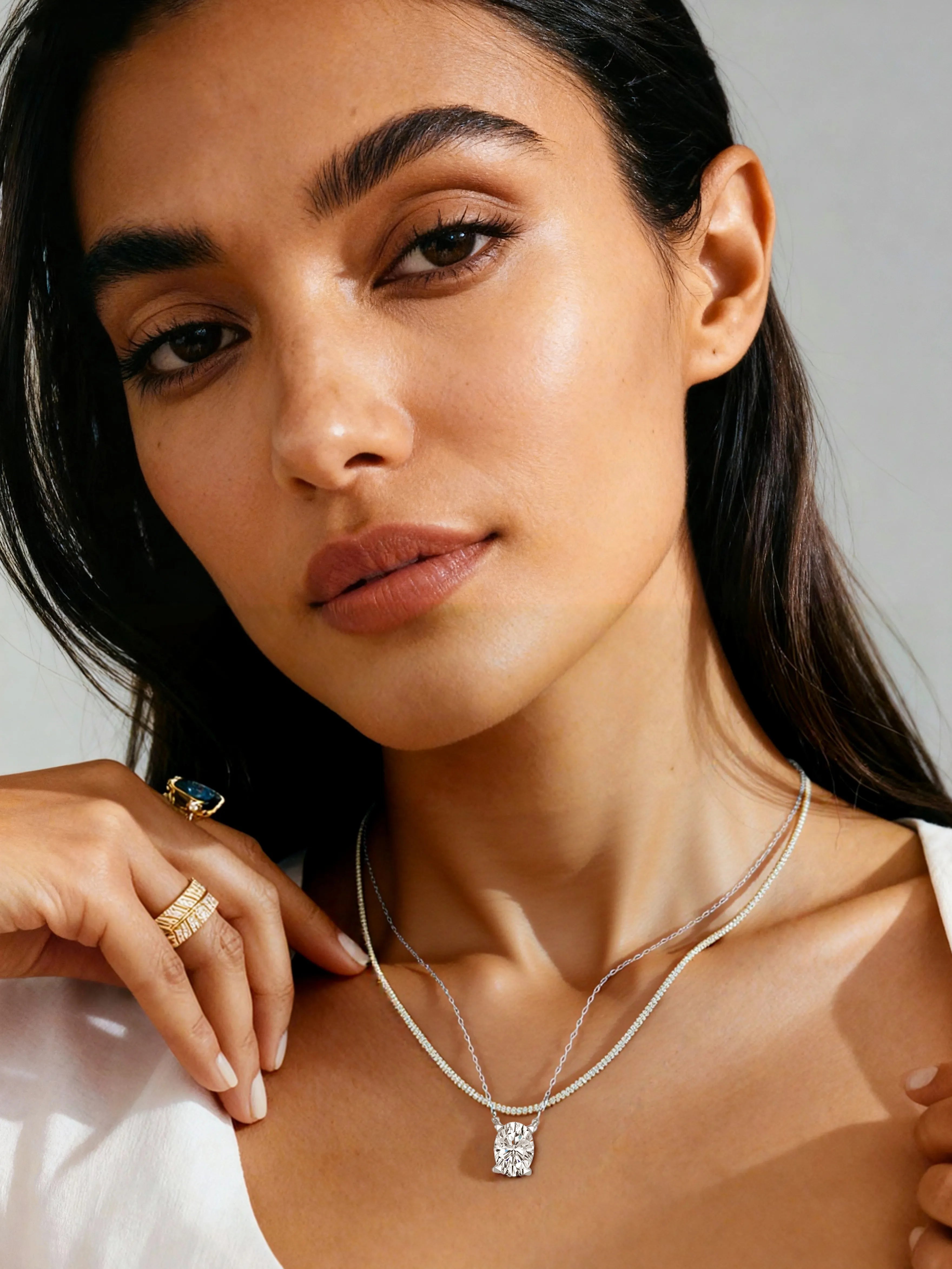
Engraved Lab Diamond Bands: Personalized Artistic Patterns
An engraved lab diamond band is more than a ring; it is a private archive of sentiment, a miniature canvas for artistry, and, when done well, a study in restraint. Over years at the bench and across countless client consultations, I have learned that the most successful engraved bands resolve a delicate tension: they must harmonize precise diamond setting with legible pattern work while preserving the everyday comfort and durability that a wedding band deserves. In this guide, I will demystify the design language, techniques, materials, and care that make engraved lab diamond bands sing—balancing romance with rigor so you can commission a piece that feels distinctly yours and stands up to daily life.
What An Engraved Lab Diamond Band Actually Is
In practice, an engraved lab diamond band is a precious metal ring set with lab-grown diamonds—either all the way around, as a classic eternity band, across the top half for a half-eternity style, or in intervals—enhanced by decorative inscriptions or patterns cut into the metal. The engraving may live discreetly inside the shank as a date, motto, or coordinates, or it can be showcased outside the band as scrollwork, floral relief, geometric line work, or symbolic motifs. Lab-grown diamonds, produced by HPHT or CVD methods, are chemically and optically identical to mined diamonds, as explained by reputable trade educators and retailers including GIA-trained jewelers and brands that publish transparent buying guidance. They offer the same hardness and brilliance with modern production control and, often, more accessible pricing.
Pattern Language: Turning Meaning Into Metal
Most engraved bands are stories told in shorthand. A vine motif whispers of growth; a repeated star suggests guidance; a subtle checker of hand-cut lines tips its hat to Art Deco geometry. Retailers who focus on lab-grown wedding bands regularly spotlight milgrain edges, floral patterns, filigree accents, and vintage-inspired details that gracefully frame diamonds without overwhelming them. If you are translating personal symbolism into a band, think less in terms of “clip art” and more in terms of geometry, proportion, and rhythm. A series of short dashes can encode a date in Morse. A pair of arcs can evoke a horizon or a shared journey. If you prefer literal references, laser engraving makes initials, signatures, fingerprints, or simple line art wonderfully precise.
When engraving shares space with diamonds, the composition matters more than any single element. Micro-pavé calls for tight, low-relief metalwork so the pattern doesn’t disrupt prong seats or catch lint. Channel-set stones give you uninterrupted rails of metal that accept engraving gracefully. Shared-prong eternity bands present the greatest technical challenge; many designers reserve engraving to the edges or interior so that tool paths don’t disturb the claws that secure each stone. Designers who specialize in eternity silhouettes often use clever underside cutouts to boost light return, as seen in designer houses, which indirectly affects how crisp surface textures appear in different lighting.
Where The Engraving Goes: Interior Inscriptions vs Exterior Art
Interior inscriptions are intimate and protected from abrasion, ideal for dates, vows, or short phrases. Exterior engraving is bolder and invites the world to notice your aesthetic. If you plan to stack multiple bands, consider exterior patterns that remain legible even when flanked, such as a continuous border motif, milgrain framing, or alternating cartouches that read independently. Inside or out, character count is limited by width; narrower bands simply accommodate fewer characters and less intricate shapes. Retailers who publish engraving advice emphasize verifying character limits, requesting a font sample, and proofreading every mark before the order moves into production.

How The Pattern Is Made: Hand Engraving vs Laser Engraving
Hand engraving and laser engraving each bring distinct strengths. Choosing between them is both a technical and an artistic decision.
Method |
Visual Character |
Strengths |
Considerations |
Hand engraving |
Lively, artisan-cut lines with microscopic variation that catch light; classic for scrolls, leaves, and bright cuts |
Human-inflected depth and sparkle; timeless feel; beautiful in vintage-inspired motifs |
Requires skilled artisan; tiny deviations are part of its charm; extremely fine micro-type is harder to keep perfectly uniform |
Laser engraving |
Sharp, uniform edges and high fidelity to fonts, icons, fingerprints, or non‑Latin scripts |
Precision for modern fonts, symbols, and interior inscriptions; repeatable; ideal for complex or small graphics |
Looks flatter unless finished by hand; reflective “sparkle” of bright-cut lines is less prominent |
For bands pairing micro-pavé with micro-type, I often recommend laser for the text and hand-cut finishing for borders or bright cuts. Retailers that focus on engraving techniques note laser’s accuracy for symbols and hand engraving’s luminous personality for classic metalwork. A skilled workshop may combine both to achieve superior results.
Metals, Profiles, And Comfort: The Foundation For Every Pattern
The metal you choose will influence how the engraving reads and wears. The practical guidance published by jewelers aligns with what I see day to day.
Metal |
Feel & Durability |
Engraving Behavior |
Notes For Daily Wear |
14k gold |
Excellent wear resistance; a balanced choice for active lifestyles |
Takes crisp cuts and holds detail well |
Frequently favored for wedding bands worn daily; color varies by alloy (white, yellow, rose) |
18k gold |
Richer gold content with a lush hue; slightly softer than 14k |
Engraving edges are beautiful but can soften faster with heavy wear |
Chosen for its luxurious look; care routine matters to preserve detail |
Platinum |
Dense, weighty, and hypoallergenic; very durable |
Cuts read a bit differently than in gold and can develop a patina that many love |
Extremely secure for settings; patina gives engraved patterns a subtle, old-world charm |
Reputable retailers and educators consistently explain that 14k tends to be more scratch resistant than 18k, while platinum is heavier and well-suited to sensitive skin. These well-established differences should anchor your decision if you lead an active life or prefer fewer refinishing appointments.
Band Width, Depth, And Readability
Width is the canvas; depth is the ink. Very slim bands limit message length and motif complexity. If you plan for a full perimeter pattern, discuss proportion with your jeweler so the engraving remains legible between prongs or channel walls. Comfort-fit interiors ease daily wear but reduce interior surface area for long inscriptions. When in doubt, mockups help: a good studio can render a font or motif to scale so you can confirm legibility before cutting metal.
Diamonds That Complement Your Pattern
The diamonds set into your band should not compete with the engraving; they should amplify it. A common thread in buying guidance from expert retailers is clear: cut quality is the single greatest driver of sparkle. In practical terms, favor stones with top-tier light performance rather than chasing the last fraction of carat weight. Collections curated by gemologists often highlight high color and clarity ranges such as near-colorless E–F and VS clarity for a bright, clean look, but the optimal spec depends on your metal color, pattern boldness, and budget. Always ask for an independent grading report from GIA or IGI that confirms the growth method and any post-growth treatments. The report anchors value, simplifies insurance, and helps future jewelers match additional stones if you ever add a stacking companion.
Pros And Cons Of Engraved Lab Diamond Bands
The advantages are compelling. You gain a personalized artifact that integrates art and message with the brilliance of diamonds, crafted in a material many couples value for ethical reasons and pricing flexibility. Designers show that classic bands—eternity, half-eternity, channel, and pavé—take beautifully to milgrain frames and subtle relief. Lab-grown options often offer more diamond for the budget, which can be redirected into more intricate metalwork or thicker profiles that preserve detail over time.
There are tradeoffs to weigh carefully. Engraving consumes space, so very narrow bands may force compromises on font size or motif complexity. Resizing can distort or even erase exterior engraving, and interior inscriptions might need to be re-cut after a size change; studios that publish engraving guidance explicitly recommend finalizing size before engraving or budgeting for re-engraving after resizing. Continuous engraving around a true eternity ring is difficult to execute without interfering with prongs; many workshops reserve exterior patterns to the edges or opt for half-eternity layouts to create breathing room. Finally, several retailers note that lab-grown diamonds typically carry lower resale value than mined stones; the primary value proposition is beauty and daily wear, not investment. That is not a flaw, but it is a reality worth acknowledging candidly.
A Smart Design Workflow From Spark To Signature
The best engraving projects proceed like good architecture—vision first, engineering close behind. Start by assembling references that capture your intent: a botanical sketch for a leaf border, a vintage monogram for initials, a map snippet for coordinates. Retailers who coach customization recommend simple sketches or mood boards, even if you are not an artist. Next, translate ideas into constraints: confirm band width, target font, and where the pattern will run relative to prongs or channels. Many jewelers will provide CAD or high-resolution mockups, especially for laser work, so you can approve type scale and spacing at actual size.
Before the first cut, confirm the character count, the exact punctuation and capitalization for inscriptions, and the font sample, then proofread meticulously. If you plan to stack, bring the engagement ring to the fitting; some settings require a curved band to sit flush, and the meeting point between the two rings is where exterior patterns either align elegantly or compete. Matching the metal color and echoing accent details across pieces—pavé scale, milgrain borders—creates cohesion while preserving the individuality of each band, a point frequently emphasized by bridal-focused editors.
Care, Cleaning, And Maintenance Without Mystery
Diamonds are famously hard, but sparkle softens under films of oil and dust, and engraving can lose definition under heavy-handed cleaning. Retailers and bench jewelers converge on a simple, effective routine. At home, soak your band in warm water with a drop or two of mild dish soap for a few minutes, then use a soft-bristle brush to coax debris from under settings and out of engraved recesses, rinse thoroughly, and dry with a lint-free cloth. Avoid bleach and harsh chemicals; they will not injure a diamond, but they can attack metal alloys and accelerate wear. Make a habit of wiping the band after wear to remove lotions and perspiration, and put the ring on last when getting ready so hair spray and sunscreen do not build a dull film.
For storage, keep pieces separated in a soft pouch or lined compartment; diamonds can scratch other gemstones and metals. Remove rings for heavy lifting, contact sports, gardening, swimming, saunas, and hot tubs; chlorine and high heat stress metal, and pressure can loosen prongs or blur engraved edges. Schedule periodic professional cleanings and inspections once or twice per year; jewelers will check prongs and micro-pavé for security and can clean with ultrasonic or steam equipment safely when the settings are sound. Jewelers who publish ring-care guidance consistently propose this cadence, and I endorse it fully; it is the easiest way to catch wear before it escalates.
Buying Tips That Prevent Regret
Treat the process like commissioning a bespoke suit. Ask for the diamond grading report from a reputable lab and confirm the growth method. Discuss metal choice in the context of your lifestyle and pattern; if you work with your hands, 14k or platinum may be better long-term canvases for crisp engraving than the softer richness of 18k. Confirm whether the workshop will cut by hand, laser, or both; ask to see font samples and, for symbols, a scaled mockup. Verify character limits and how resizing will be handled, including whether re-engraving is included after a size change. Inquire about warranty and service programs; many jewelers offer annual inspections and cleanings that keep prongs tight and patterns fresh. Consider jewelry insurance; specialized providers are known for coverage tailored to fine jewelry with replacement language that matters if a ring is lost or a diamond is chipped.

How Engraving Plays With Settings And Stacks
Bands rarely live alone. If you are pairing an engraved band with an engagement ring, evaluate how the engraving will sit beside gallery details, side stones, and prong architecture. Editors who focus on wedding set harmony encourage matching metal colors for cohesion or intentionally contrasting them for a striking effect. If your center stone is ornate, use restraint in the band pattern so the eye has a place to rest; if the engagement ring is minimalist, a richer band pattern can carry the narrative without looking busy. For stacking, alternate textures—an engraved border against a smooth high-polish, for instance—so each ring reads clearly. A well-conceived stack evolves with you; part of the charm is telling your story over time.
Pricing, Value, And Ethics In Plain Terms
Many couples choose lab-grown diamonds to align with modern values and to access more generous carat-for-budget windows, a theme echoed widely across retailers and educators. Some editorial sources report that lab-grown options are often priced below comparable mined stones and cite rising adoption among younger buyers. I treat broad statistics reported by retailers cautiously; they are directionally helpful rather than definitive. The strong value of lab-grown makes it easier to allocate budget to thoughtful metalwork—precisely where engraving comes alive. If resale value is central to your decision, be aware that multiple sources note lower secondary-market pricing for lab-grown compared to mined. If daily joy, personal meaning, and aesthetics are primary, an engraved lab diamond band is a deeply satisfying choice.
Expert Field Notes You Can Use Today
In real-world wear, the bands that age best share three traits. The engraving is scaled to the canvas; nothing is crammed. The metal choice matches the owner’s routine; gym-goers and hands-on professionals often fare better in 14k or platinum. The care routine is boringly consistent; a thirty-second warm-soap rinse and a quick wipe after heavy lotion use does more to preserve sparkle and crisp edges than any miracle cleaner. Small habits stack to visible results.
Takeaway
An engraved lab diamond band thrives at the crossroads of poetry and precision. If you choose a motif with meaning, scale it to your band, build it in a metal that fits your life, and anchor the diamonds with top-tier cut quality, you will have a ring that feels inevitable the moment you put it on. Confirm the font, proof every character, and plan for care and inspections. Do these few things well, and your pattern will stay luminous against a lifetime of light.
FAQ
Are lab-grown diamonds real, and will they last in a wedding band I wear every day?
Yes. Lab-grown diamonds are real diamonds with the same chemical, physical, and optical properties as mined stones, according to widely relied-upon grading institutions and retailers that follow their standards. They rank at the top of the hardness scale, making them appropriate for daily wear when set securely.
Will engraving weaken my band or make it harder to maintain?
Properly scaled engraving does not compromise a well-made band. The key is depth control and placement away from structural high-stress points such as thin prong bases. Maintenance is straightforward: gentle soap-and-water cleaning, soft brushing to clear debris from recessed details, and professional inspections to confirm prong integrity and pattern crispness.
Can you engrave an eternity band that has diamonds all the way around?
It is possible but more limited. The continuous prongs and minimal exposed metal on many eternity designs reduce space for exterior patterns. Many workshops concentrate engraving on the interior or edges, or they suggest a half‑eternity layout to preserve both diamond security and pattern clarity. This recommendation reflects typical shop constraints and my experience with secure pavé.
Should I choose hand engraving or laser engraving for a modern, symbol-heavy design?
Laser excels for crisp symbols, fingerprints, and non‑Latin scripts at small sizes. Hand engraving gives classic motifs dimensional sparkle and artisan character. Many of the best results combine both: laser for text or icons, hand bright cuts or borders to add life.
What happens if I need to resize after engraving?
Resizing can distort or erase exterior engraving and may interrupt interior inscriptions. Plan to finalize size before engraving or budget for re-engraving after a size change. Many jewelers will advise on what is feasible in your specific pattern and profile.
Selected Sources And Perspectives
This guide reflects hands-on design and client fitting experience, complemented by guidance from jewelers and educators. On care and maintenance, consider the practical cleaning and inspection advice published by Buchroeders Jewelers and Plum Diamonds, with additional cleaning methods described by Grown Diamond Corp. On buying fundamentals, cut quality and the importance of independent grading are consistently emphasized by Brian Gavin Diamonds and Ivy & Rose. On design language and stacking, the pattern and style notes echoed by Diamondrensu, Jean Dousset, and Grown Brilliance are instructive, while With Clarity’s discussion of wedding set cohesion is useful when pairing bands and engagement rings. For customization steps and expectations, Golden Bird Jewels’ approach to sketches, CAD previews, and approvals aligns with best practice. On resale expectations and ethics framing, Karaters offers a candid reminder that lab-grown value resides in beauty and wear rather than investment. On engraving techniques, Loose Grown Diamond’s overview of hand versus laser precision matches what I see at the bench, and Windy City Diamonds’ maintenance tips for engraved metalwork are well aligned with professional standards.
Confidence notes: Where this article infers workshop constraints around eternity-band engraving, the statements are based on typical prong geometry and setting security considerations; confidence is high for shared-prong eternity and medium for unusual custom architectures that may create more metal canvas. Where it references broad market adoption and relative pricing of lab-grown diamonds, the observations track widely reported retailer guidance; confidence is moderate pending independent industry-wide statistics.
References
- https://www.grownbrilliance.com/design-your-ring-stack
- https://bestbrilliance.com/collections/wedding-bands
- https://www.cleanorigin.com/engagement/?srsltid=AfmBOorMM60C24oedpEuKDWc_dXAisabQDlZw6JlqC2v_i5wZSElVjkz
- https://debebians.com/collections/lab-created-diamond-rings?srsltid=AfmBOopzMa-Pr3fyIdq5HMv3WpQQYSXoDuSXHxkbVmRuM2xbNlaGDO_V
- https://ivyandrose.com/collections/lab-diamond-rings?srsltid=AfmBOopdafaJOwWyXzZ2vGpyqR8w2o08gWffMPYjRiDbVUVXHORZcY75
- https://jeandousset.com/collections/lab-diamond-eternity-bands?srsltid=AfmBOoobYA0BYmtCVitx1P3N-vmYoR_SP1ZXAI0e_Nbw_UyvuzPvU4zA
- https://www.loosegrowndiamond.com/engagement-ring-engraving-ideas/?srsltid=AfmBOooVgOMAXxJ-55i-1dBbYaa0VQMYSOjZFVL9IGzCJhrXJeOydxko
- https://www.miadonna.com/collections/lab-grown-diamond-engagement-rings?srsltid=AfmBOor31O_4FE9gfJZZ_F9qS3kPcG48bUH_u02sGG1-kqH2PmWRtfuc
- https://www.angara.com/blog/how-to-pair-your-outfits-with-different-types-of-diamond-rings/?srsltid=AfmBOop81WQ9hwLmkdn3cugk6byi6BOk2Zm2OzuODS0xjYyCGz-Xa_NZ
- https://brdiamonds.com/blogs/news/ultimate-lab-grown-diamond-care-guide?srsltid=AfmBOorHTD4c2uraPUyzZhFyk_G3sPwN5PUa2DFFtkH_sdhAWWeJOdnz