How to Choose Diamond Jewelry for Your Husband
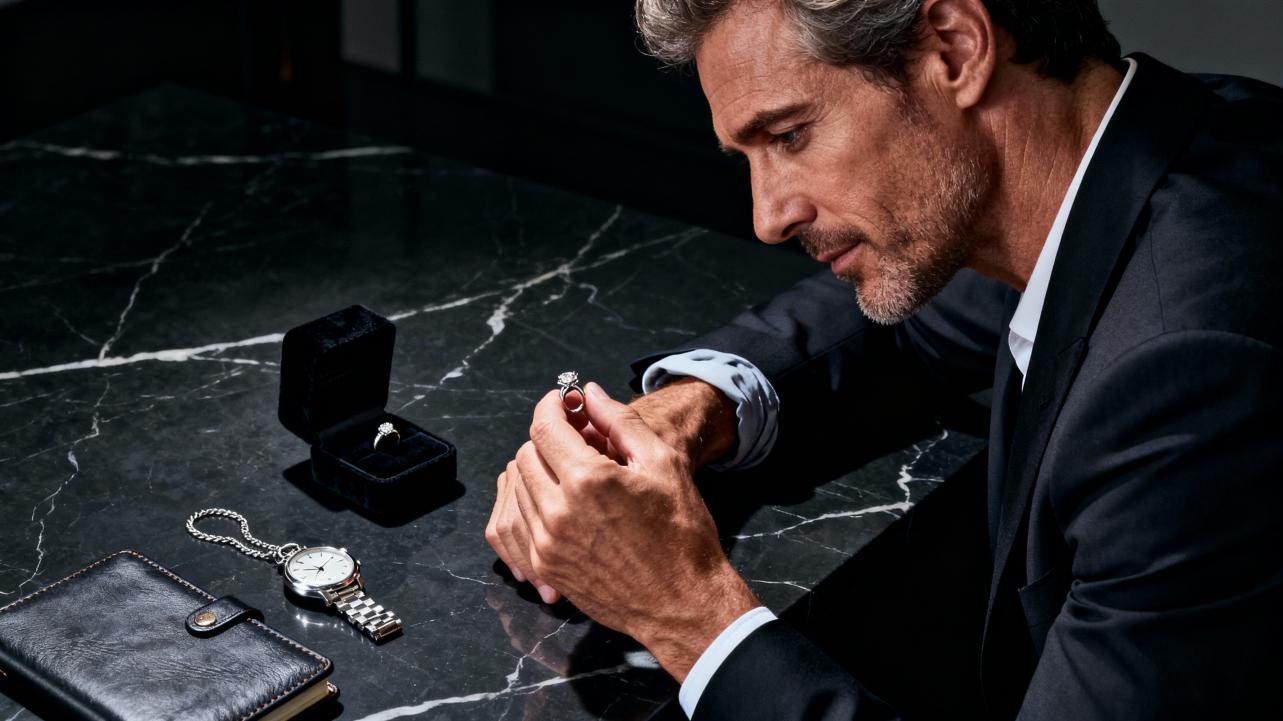
The most successful diamond gifts I’ve helped clients choose for their husbands have one quality in common: they feel inevitable. The piece simply belongs on him—its sparkle, weight, and character harmonize with the way he dresses, works, and lives. This guide distills what I’ve learned from years of consultations, bench-side inspections, and follow-ups with couples, paired with guidance echoed by respected educators such as the Gemological Institute of America and specialist jewelers including Blue Nile, James Allen, Whiteflash, and others. Whether you’re considering a wedding band with diamond accents, a bracelet, a necklace, studs, or a watch, here’s how to buy with confidence—and with love.
Begin with His Life, Then His Look
Before comparing stones or metals, watch how he moves through a week. If his hands are constantly at work—cycling, lifting, or tackling home projects—your first priority is durability and security. Channel, bezel, or flush settings protect diamonds in rings and bracelets by recessing stones into the metal rather than raising them up. If he’s in a client-facing role or dresses formally, a sleek white-metal band with a single flush-set diamond can read as quietly powerful. For a creative dresser or an extrovert, multiple stones, mixed finishes, or a bold necklace can better match his presence.
Style alignment matters. Cornelis Hollander advises fitting the design to his usual aesthetic—classic versus experimental—and that is as practical as it is poetic. The Arizona Diamond Center points to the rise of men wearing diamonds to signal sophistication and strength, a shift also reflected by modern celebrity stylings documented by myGemma. When the piece resonates with how he already presents himself, he will wear it constantly—and that is the real measure of success.
Budget and Value Without Guesswork
Set the budget early and frame every choice against it. The most effective value lever is not brand or carat alone; it’s balancing the 4Cs to get a stone that performs brilliantly to the eye in the real world. If you want a natural diamond but need to keep spending in check, consider slightly smaller carat weights and prioritize cut. As 6 ICE notes, sub-1-carat options—even around 0.5 carat—can be deeply satisfying when well cut. If you’re open to lab-grown, you’ll typically see a larger stone or higher clarity within the same budget; Whiteflash and Varniya both discuss the role lab-grown can play in maximizing appearance for the price.
Remember that prices vary by market conditions and by the exact blend of cut, color, clarity, and carat. Whiteflash’s educational materials show that a well-cut round of just over 1 carat can sit near the $7,365.00 to $7,700.00 range in their curated inventory, while The Diamond Guys outline entry-level diamond necklace options starting around $179.00 and luxury chains stretching well into five figures. Treat such figures as examples, not guarantees, and focus on how the stone looks in person or via high-quality imagery and light-performance data.
Understand the 4Cs in Five Minutes
Cut, color, clarity, and carat are the backbone of diamond quality. Guides from Haldavis, Roberta Alton, and Varniya agree on the essentials: cut governs sparkle, color ranges from colorless to tinted, clarity counts inclusions and blemishes, and carat is weight. For men’s jewelry, I often encourage clients to prioritize cut first, then consider color and clarity ranges that look white and eye-clean when worn, rather than chasing lofty grades that push budget out of balance.
Factor |
What It Means |
Practical Targeting for Men’s Wear |
Cut |
Proportions and angles that control brilliance and scintillation |
Favor excellent or very good cuts; it improves sparkle even at modest sizes |
Color |
D (colorless) to Z (increasing warmth) |
Near-colorless ranges like G–J can look white in white metals and offer value |
Clarity |
From flawless under 10× to visible inclusions |
VS2–SI1 is often eye-clean in practical sizes; confirm with magnified images |
Carat |
Stone weight; a proxy for size |
Balance size with cut; a slightly smaller, better-cut stone usually looks livelier |
Shape impacts personality as well. Round brilliant maximizes sparkle with 58 facets, princess and emerald shapes read modern or architectural, and ovals elongate the finger. As Haldavis notes, shape is taste; cut quality drives beauty.
Natural, Lab-Grown, or Recycled?
This choice blends ethics, budget, and future value. Two expert sources offer a useful tension. Varniya emphasizes that lab-grown diamonds, produced by HPHT or CVD, share the same chemical and optical properties as mined stones and typically cost less; they also present data claiming lower waste and about half the energy use relative to mined stones, while acknowledging variation by producer. myGemma highlights “recycled” natural diamonds as a sustainability-forward path that avoids new extraction and notes that natural diamonds tend to retain value better than lab-grown over time. Both positions are worth considering; what matters most is aligning the purchase with your values and priorities.
Option |
What It Is |
Typical Price Feel |
Impact & Ethics (as cited) |
Resale & Longevity |
Certification |
Natural mined |
Earth-formed diamond |
Generally higher per carat |
Impact depends on miner and chain; responsible sourcing available |
Historically stronger resale |
GIA/AGS widely recognized |
Lab-grown |
Diamond grown in a lab |
More size/quality for the budget |
Varniya cites lower waste and energy; results vary by producer |
Faster depreciation is common |
IGI/GCAL and others; some GIA |
Recycled natural |
Previously owned, remounted |
Market-competitive for quality |
myGemma recommends reuse to avoid new extraction |
Retains natural’s market dynamics |
Major labs; verify grading |
If you prioritize maximum look for the price today, lab-grown can be compelling. If you favor reuse and potential value retention, recycled natural is elegant and responsible. For heirlooms, natural stones still carry traditional weight for many families.
Design He’ll Wear Every Day
Everyday wear demands choices that honor both aesthetics and utility. In rings, channel, bezel, and flush settings are superb for active hands because stones sit protected within the metal. Jewelry Exchange definitions are helpful here: a channel setting secures stones between parallel metal walls for a smooth surface, while a flush setting places the stone level with the band to resist snags. A bezel surrounds the stone with a rim, offering great security with a modern look. Prong settings, as Haldavis notes, let in more light and therefore more sparkle, but they can catch on fabric and need vigilant maintenance if his hands are busy.
For necklaces, The Diamond Guys explain the stylistic choices clearly: pendants like crosses, dog tags, or medallions emphasize meaning; chains such as tennis, Cuban link, Figaro, or box deliver a statement of texture and light. Common chain lengths are 20 inches, 22 inches, and 24 inches; 22 inches suits most builds and layers well. If he is new to diamonds, diamond studs or huggie hoops are remarkably wearable; myGemma suggests investing in quality studs for longevity and comfort, with huggies offering a low-profile, sleep-friendly option.
Metals That Match His Life
Some metals are born for daily duty; others reflect a preference for a certain hue or weight in hand. Blue Nile’s education hub and Rogers & Hollands’ metal overview align on key traits.
Metal |
Look & Weight |
Durability |
Maintenance |
Best For |
Platinum |
Naturally white, substantial feel |
Excellent, hypoallergenic |
No rhodium plating needed |
Daily wear, sensitive skin |
White gold |
Bright white |
Very good |
Rhodium replating over time |
Versatile, polished look |
Yellow gold |
Classic warmth |
Varies with karat |
Minimal beyond normal cleaning |
Traditional taste; makes diamonds pop |
Rose gold |
Warm blush |
Varies with karat |
Minimal beyond normal cleaning |
Romantic contrast; contemporary style |
Palladium |
Gray-white, lighter than platinum |
Very good, hypoallergenic |
Low-maintenance |
Platinum-like look at lower weight |
Titanium/Tungsten/Cobalt/Tantalum |
Industrial palette |
High scratch resistance (varies) |
Minimal; non-traditional sizing considerations |
Rugged lifestyles; modern aesthetics |
If he is rough on his hands, choose sturdier alloys and comfort-fit interiors for rings. Whiteflash notes that men’s widths can range from sleek to bold; as a tactile reference, a very wide band reads roughly like stacking several nickels across the finger. Try on options to feel balance and weight.
Ring Size and Fit That Feel Effortless
A ring he forgets he’s wearing is a ring he will never take off. Rogers & Hollands and 6 ICE both describe at-home methods that work if you cannot visit a jeweler immediately. You can match a ring he already wears to a printed size guide to find the diameter, or create a simple temporary sizer and snug it at the base of the finger to read the size. For stealth sizing, trace the inside of one of his rings and compare the circle against a chart. Accuracy improves at day’s end when fingers are slightly larger, a tip echoed by Varniya, and many men fall between sizes 8 and 14, with 10 common. If the band is “comfort-fit,” which has a rounded interior, many men prefer dropping roughly half a size compared to a flat interior, though trying on remains the best route.

Settings and Surface Details That Last
Settings define both the profile and resilience. Channel and flush settings protect stones and glide under gloves or cuffs, ideal for hands-on work. Bezels modernize and secure. Prongs elevate a center stone for maximum light but must be inspected over time. Surface finishes also influence lifespan of the look. Whiteflash catalogs finishes from matte and sand-blasted, which disguise micro-scratches on daily wear, to high polish, which is luminous but shows marks sooner. Milgrain—a beaded edge often seen in designs sold by The Jewelry Exchange—adds texture and vintage character. Choose the combination that flatters his taste and guards the stones given how he uses his hands.
Shop Smarter: Certification, Warranty, and Returns
Independent grading confirms the diamond you are paying for is the diamond you’ve received. GIA and AGS are the most recognized for natural stones; IGI and GCAL are widely used for lab-grown. Haldavis and Roberta Alton both recommend insisting on such reports. If you’re considering a retailer whose marketing is energetic, balance enthusiasm with documentation; Avianne & Co includes customer testimonials praising authenticity and shipping speed, and the right next step is requesting third-party certificates and a clear, written warranty.
Take advantage of friendly policies. 6 ICE advises verifying returns and exchanges, especially when sizing is uncertain, and a lifetime warranty can be valuable for hard-use wearers. Look for transparent trade-up or service programs. For metals, check purity stamps like 14K, 18K, or PLAT on the piece; while the UK has a rich hallmarking tradition documented by Diamonds Factory, US shoppers typically rely on karat and purity stamps plus the lab report for assurance.

Care, Maintenance, and Insurance
Diamonds are extraordinarily hard but not invincible. Arizona Diamond Center recommends cleaning with warm water, mild soap, and a soft brush or cloth, and both they and King of Jewelry suggest professional inspection and deep cleaning on a cadence of about every six to twelve months. The Diamond Guys advise removing jewelry during heavy work, sports, or chemical exposure, and storing pieces separately in fabric-lined compartments to avoid scratches. Insuring the ring—natural or lab-grown—adds peace of mind. If the piece has many small stones, that regular inspection can prevent a lost accent diamond before it happens.
Style Pairings That Just Work
Cohesive accessories amplify impact. The Jewelry Exchange showcases channel-set bands that echo the geometry of Cuban or box link chains; if he already wears a Cuban chain, a Cuban-link ring will feel intentional. If his wardrobe leans toward charcoal suits and polished shoes, a white metal band with a single flush-set stone aligns seamlessly. For weekends, diamond studs or huggie hoops paired with a subdued pendant lean casual but luxe. Vummidi Bangaru Jewellers emphasizes personalizing with engravings—initials, a date, or even a short line of lyric quietly turns a beautiful object into a talisman.
A Balanced View on Sustainability
Varniya frames lab-grown as ethical and affordable with the same optical properties as mined stones and cites markedly lower mining waste and about half the energy, while myGemma champions recycled natural diamonds to avoid new extraction and notes stronger value retention for natural. The reality is nuanced and depends on the producer’s energy mix and the piece’s intended role in your family’s story. If the goal is a major look and daily enjoyment within a firm budget, lab-grown is compelling. If you plan to upgrade over time or hand down the piece, a recycled natural diamond is both sentimental and sustainable.
A Two-Minute Checklist Before You Buy
When you are down to two or three contenders, step back and confirm the essentials in plain language. Does the metal match his complexion and wardrobe? Will the setting survive his day-to-day? Does the diamond sparkle across the face rather than only under spotlighting? Is the grading report independent and the return window reasonable? Can you get the band adjusted if his size fluctuates? If each answer feels certain, you’ve likely found “the one.”
Takeaway
Choosing diamond jewelry for your husband is less about chasing a number and more about honoring the way he lives and the story you’re writing together. Let cut quality carry the sparkle, choose settings that respect his routine, pick metals that suit his taste, and balance budget with clarity about lab-grown, natural, or recycled options. Insist on independent certification, friendly policies, and regular care. The right piece will feel inevitable the first time he slips it on—and it will look that way for years.
FAQ
Are lab-grown diamonds real, and should I consider them for my husband?
Yes. Lab-grown diamonds share the same chemical and optical properties as mined stones. Varniya emphasizes their value and environmental advantages; myGemma recommends recycled natural diamonds for reuse and notes better value retention for natural. If maximizing carat and clarity within budget matters most, lab-grown is a strong option. If you care about reuse and heirloom value, consider recycled natural.
Which ring settings are most durable for active hands?
Channel, bezel, and flush settings protect stones by nestling them into the band, creating a smooth surface that resists snags and impact. The Jewelry Exchange defines channel and flush as especially robust. Prong settings maximize sparkle but require more regular inspection if he is hard on his hands.
How can I discreetly find his ring size?
Borrow a ring he wears on the intended finger and match it to a printed sizing chart, or trace the inside circle and compare it to size guides. Rogers & Hollands offers at-home methods, and 6 ICE suggests using a simple wrap to get a snug read. Measure at day’s end for accuracy and remember that comfort-fit bands can wear best at roughly half a size smaller than a flat interior.
Do diamond studs make a good first diamond gift for a husband?
They do. myGemma recommends investing in quality studs for longevity, and huggies offer a low-profile option that is easy to sleep in. Start with a size that balances presence and comfort, and match metal color to his belt buckles, watch, or chain for coherence.
How often should diamond jewelry be cleaned and serviced?
Clean at home with mild soap and warm water using a soft brush, then pat dry. Schedule a professional cleaning and prong check every six to twelve months, as suggested by Arizona Diamond Center and King of Jewelry. Remove pieces during strenuous activity and keep them separate in storage to prevent scratches.
What ring width suits most men?
Fit and proportion matter more than any single measurement. Whiteflash notes that men’s bands span from sleek profiles to widths that feel roughly like stacking several nickels; wider bands deliver a bolder look and allow more design and engraving. Try on a few widths to see what balances his hand size and comfort.
References
- https://www.thediamondguys.net/blogs/blog/what-to-look-for-in-a-diamond-necklace-for-guys?srsltid=AfmBOopUV2yBpMI0cv02L7G5TPCxhhjWv412zs3cvcZoWAH2Ep7LbPx8
- https://www.avianneandco.com/collections/mens-diamond-jewelry?srsltid=AfmBOoqu4vYYNufWXqJNifs9P3KOGbUnD--Vea_d1B2jT3l4yJj3jCTP
- https://www.diamondsfactory.com/diamond-rings/men
- https://www.haldavis.com/journals/diamond-rings-for-men
- https://blog.jamesallen.com/the-ultimate-guide-to-buying-mens-engagement-rings/
- https://lux-life.digital/mens-diamond-jewellery-guide-for-beginners/
- https://revolutionjewelry.com/collections/mens-diamond-rings?srsltid=AfmBOorqoSTGKMFbbjU-IbPb5NpbEDWn50UzULp4Jd0mo34LiL1a27--
- https://www.rogersandhollands.com/blog/post?ID=the-ultimate-guide--to-mens-diamond-rings-styles-cuts-and-settings&srsltid=AfmBOopaj7I8KKeMX2otoAgJy5VRxr_SN_HP9lvrM6f6WIEP8RqamScS
- https://www.25karats.com/articles/fancy-mens-diamond-rings-the-ultimate-guide/?srsltid=AfmBOopaQ1_35yv56Wp7L80tgs0etTNP5dwCrpdWMavf0B3SRiGUfADR
- https://6ixice.com/blogs/news/6-tips-when-buying-a-men-s-diamond-ring?srsltid=AfmBOooTsG8clcltqSbXg5b5ajYEjLPyTle6mlPiUmTS6qHgIO59bhtZ