Lab Ruby Rings for July Birthdays: Bold Red Gemstones
July’s birthstone has long been the color of celebration, courage, and enduring love. In the hand, a well‑cut ruby feels alive—the red holds in daylight and dinner light, it steadies under a linen napkin and flares again when the music starts. As a jeweler who has spent many summers coaxing fine color out of red corundum, I reach for lab ruby when a July birthday calls for radiant hue, everyday durability, and a price that keeps the party generous. These are real rubies—same chemistry, same crystal structure, same Mohs 9 hardness—grown under human care rather than underground. That difference shifts the value proposition in ways that matter for a gift you intend to be worn and loved.
What “Lab Ruby” Really Means
A lab ruby is ruby in every gemological sense: crystalline aluminum oxide colored by trace chromium, with the same optical behavior as mined ruby. Gemological authorities such as GIA and trade education from JTV consistently treat lab‑grown corundum as the same species as natural, with origin being the distinguishing factor. In practice that means a lab ruby will take the same precise facet, resist daily scratches similarly, and present a vivid, even red that can be hard to find in mined material at approachable prices.
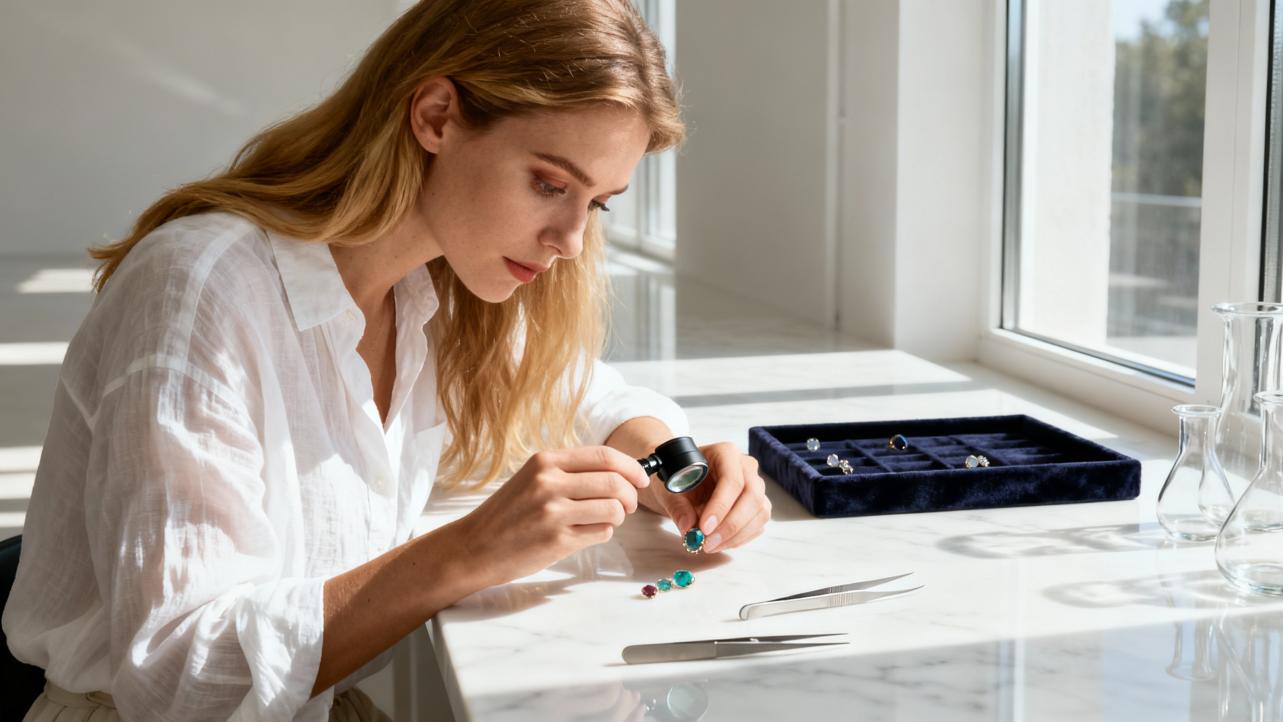
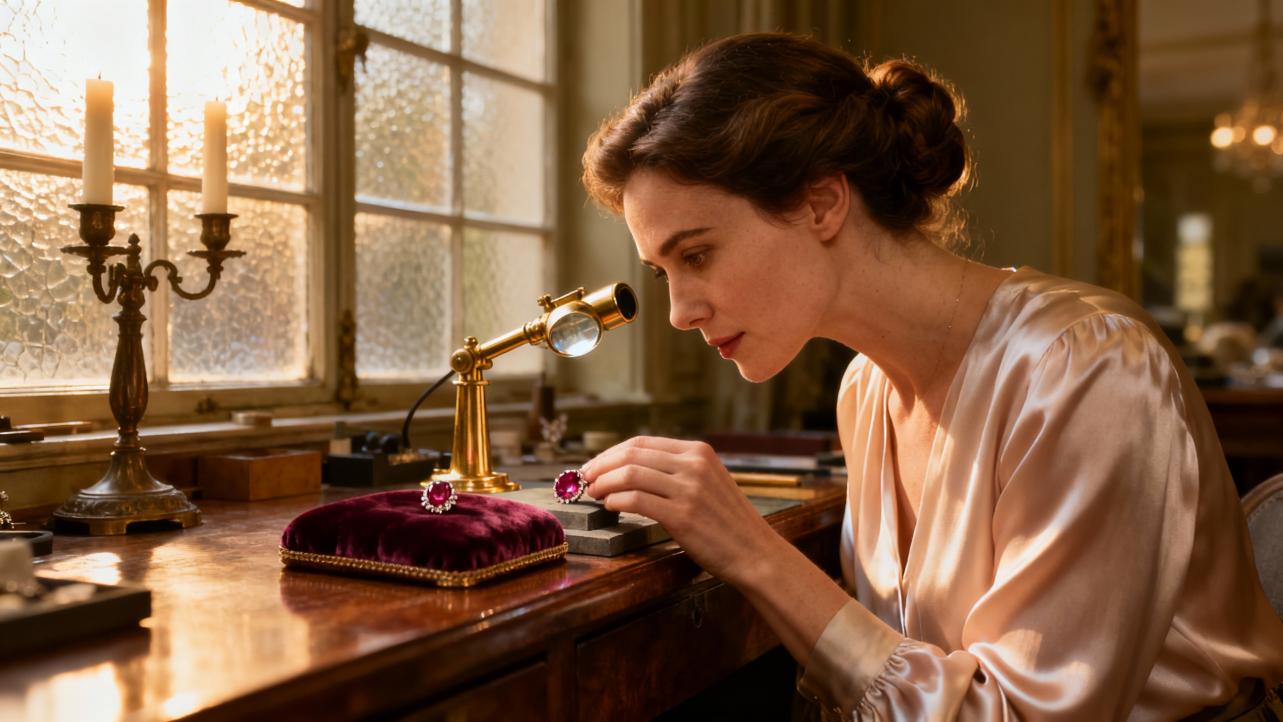
The visual parity is striking. For most buyers—and many salespeople—the only reliable way to tell lab from mined is with magnification and trained observation of growth and inclusion features. That is why documentation matters; a transparent note of laboratory growth and any treatment disclosure keeps care and identification straightforward.

Why July Birthdays Love Lab Ruby Rings
Color drives the romance. Bench experience and trade guidance align on the core truth for ruby: prioritize a primary red with medium to medium‑dark tone and vivid saturation. Lab growth lends itself to even hue, fewer eye‑visible inclusions, and sizes that show presence without the price spikes seen in mined stones over one carat. The price advantage is tangible. Retail education from BRILLIANT CARATS, citing trade sources, notes lab rubies often come in 30–70% below comparable mined stones; Bling Advisor frames top‑quality mined ruby at 50,000.00 per carat while lab‑created specimens of excellent look can be found below $200.00 per carat. Real‑world ring listings collected by GemsNY show finished ruby rings spanning roughly $980.00 to $2,735.00 across styles and metals, with lab‑grown centers letting you reach dramatic carat weights in the same budget. That value lets a July gift stretch into brighter settings, sturdier bands, and better cutting—differences you see every day on the hand.
Ethics and clarity of origin also resonate. With a lab ruby, you can point to a modern process and clear supply chain rather than the varied labor and environmental conditions that accompany mining. Sustainability claims about energy and emissions vary by growth method and producer; life‑cycle data still needs to be verified in many cases, so I encourage buyers to ask for the specifics and not settle for slogans.

Growth Methods, Explained
Different growth techniques lead to subtle differences in look, cost, and care. The industry’s main methods include flame fusion (Verneuil), flux, hydrothermal, Czochralski pulling, and a newer in‑setting approach sometimes called in situ. Each creates true ruby, yet the by‑products of growth—the curved striae, flux inclusions, or especially even clarity—can inform selection and cleaning choices. Education from BRILLIANT CARATS, JTV, and Hunters Fine Jewellery provides a practical snapshot for buyers.
Method |
Typical Cost to Buyer |
Common Visual Cues |
Practical Notes |
Verneuil (Flame Fusion) |
Lowest |
Curved growth lines under magnification |
Maximizes size‑per‑dollar with bold color; excellent for halos when budget is tight. |
Flux Growth |
Mid to high |
Wispy flux “veils,” natural‑like textures |
Often superb clarity and balanced color; slower growth tends to command more than Verneuil. |
Hydrothermal |
Mid to high |
Very even color and clarity |
Photographs beautifully; documentation from seller remains essential for care. |
Czochralski |
Mid |
Large, clear crystals possible |
Less common in retail; cutting quality and disclosure matter most. |
In Situ (grown in setting) |
Variable |
Not obvious visually |
Hunters Fine Jewellery reports more than 80% lower energy than flame fusion; this claim still needs to be verified via life‑cycle data. |
These are not better‑versus‑worse categories; they are lenses for choice. A crisp flux stone in an east‑west oval can look regal; a Verneuil pear in a diamond halo can look electrifying. The right method is the one that suits your budget, design, and care preferences, with clear disclosure from the retailer.
Color, Cut, Clarity, Carat: How to Choose What You Can See
Color comes first in ruby. Trade guides from Gandhara Gems and Diamonds Pro describe the goal succinctly: a primary red with medium to medium‑dark tone and vivid saturation. Slight purple can still look glorious; heavy brown tends to mute the fire. Test color in varied light—neutral daylight and indoor warm light—to ensure the red holds. Metal choice subtly steers perception. Yellow or rose gold can warm the face of the stone and downplay a purplish modifier; white gold and platinum can sharpen contrast and emphasize any bluish undertone. This interaction is real and worth checking with the actual ring or a close analog before you decide.
Cut is the second silent hero. Precision cutting intensifies apparent saturation and keeps the table bright. Watch for “windowing,” where the center looks washed out because the cut is too shallow; turn the stone and note whether the brightness holds across the face rather than falling into dull zones. Ovals and cushions carry color beautifully; a fine round or emerald cut can look exquisite when the proportions are tight. In my shop, I will gladly trade a fraction of carat for an even, lively face; the smaller stone ends up looking more expensive.
Clarity matters so far as it protects transparency and structure. Many lab rubies are eye‑clean; natural inclusions in flux‑grown stones can add character without hurting durability. Avoid large dark crystals under the table and surface‑reaching fractures on corners that invite chips. Judge with your eye first and loupe second. This is not diamond; a living, even red outperforms a sterile “perfect” that looks flat.
Carat weight adds presence, but it is not the whole story. Because lab pricing scales more gently with size, you can often step up without stepping off your plan for cut and color. If budget needs a lever, consider a diamond halo or three‑stone design that amplifies size and light for less than a raw carat jump.

Lab Ruby vs. Natural Ruby at a Glance
Both are ruby. Both can be magnificent. The difference is the story you want to tell with your gift and the way you balance rarity, look, and budget.
Attribute |
Lab‑Created Ruby |
Natural Ruby |
Care Note |
Chemistry & Hardness |
Corundum, Mohs 9 |
Corundum, Mohs 9 |
Clean and store the same unless treatment changes guidance. |
Color & Clarity |
Often very consistent, eye‑clean |
Variable; rutile silk and internal features are common |
Inclusions and treatments influence machine cleaning safety. |
Treatments |
Heat possible; rare glass‑filled cases documented |
Heat common; glass filling exists in lower‑grade material |
Follow treatment disclosure for cleaning choices. |
Price |
Typically 30–70% less for similar look (retail education from BRILLIANT CARATS) |
Wide spectrum; upper tier commands steep premiums |
Savings can fund stronger settings or better cutting. |
Ethics & Traceability |
Clear, modern origin |
Dependent on source and supply chain |
Ask for disclosure either way; verify claims with documentation. |
Investment Narrative |
Lower resale; buy for beauty and wear |
Top natural can appreciate, but expertise is required |
Store programs and trade‑up policies matter more than generalities. |
Design Ideas that Wear Beautifully All Summer
July is a season of movement—from July 4 weekends to rooftop dinners and family barbecues. The best ruby rings lean into that rhythm. A low‑profile bezel solitaire offers clean lines and guards edges when life gets busy. A diamond halo on a tight pavé wall makes the center look larger and boosts brilliance, especially at night. A three‑stone ring—a ruby flanked by diamonds—adds symbolism and keeps contrast high for a dramatic hand presence. For travel, I love a slender anniversary band in lab rubies; it stacks with diamond bands and reads festive without being fussy. With Clarity and retailer styling guides echo these practical pathways: choose forms you can wear across weekday and weekend without a second thought.
A Practical, No‑Nonsense Buying Guide
Begin with a clear budget and a sense of how the ring will be worn. If this July gift will be an everyday ring, pick a protective profile, a sturdy metal, and a shank that feels substantial rather than hollow. Decide upfront that you will prioritize color and cut; those two choices create 80% of what the eye sees.
Ask for documentation in plain English. The label should say “lab‑created,” “created,” or “synthetic” for the ruby. Growth method—Verneuil, flux, hydrothermal, or otherwise—should be disclosed, as well as any heat treatment. Retailers often provide their own gem descriptions; third‑party lab reports from IGI and similar outfits are common for lab‑grown stones, while GIA, AGL, and Gübelin offer deep natural reports. JTV’s education on correct labeling is a useful checklist. Sharp, unfiltered photos and natural‑light video reveal windows or color zoning that studio lighting can hide.
Choose the metal with intent. Fourteen‑karat gold offers an excellent balance of durability and cost; 18K amplifies color but can be softer and pricier. Platinum adds weight and a naturally white hue next to diamond, ideal when contrast is the aim. If you need a budget lever beyond stone size, stepping from 18K to 14K or from platinum to 14K white gold can free dollars for cutting and craftsmanship that your eye will notice more.
Use design to amplify impact. A precise oval lab ruby in a tight diamond halo can present like a much larger center for less than the cost of upsizing the ruby. A three‑stone with diamond sides gives architectural presence without over‑spending on a single stone. Shape choice is not a mere style preference; ovals and cushions often carry color more efficiently, which is helpful if you love a saturated look.
Review return, resizing, and service terms before you fall in love. Good jewelers stand behind prong work and offer annual inspections and cleaning that keep a ring tight and bright. If trade‑up or buyback matters, get those policies in writing and treat them as practical benefits rather than investment promises.
Care and Maintenance: Keeping the Red Alive
Routine care is simple. Clean with warm water, a drop of mild dish soap, and a soft brush—inside the gallery and along prongs especially—then rinse and dry with a lint‑free cloth. Store pieces separately; a ruby can abrade a softer gem, and a diamond can scuff a ruby’s facet junctions over time. The nuance arises with treatments. Guidance from JTV, With Clarity, Gandhara Gems, and trade experience agree that untreated lab corundum generally tolerates ultrasonic and steam cleaning, while certain growth types and glass‑filled material do not. When in doubt, follow the seller’s disclosure.
Stone or Treatment |
Warm, Soapy Water |
Ultrasonic |
Steam |
Notes |
Untreated lab‑grown ruby |
Yes |
Generally safe |
Generally safe |
Confirm with seller documentation before machine cleaning. |
Flux‑grown lab ruby |
Yes |
Avoid |
Avoid |
Hunters Fine Jewellery cautions against ultrasonics for flux‑grown stones. |
Heat‑only (lab or natural) |
Yes |
Typically safe |
Typically safe |
Read the report; heavy surface fractures change the guidance. |
Glass‑filled ruby |
Yes, gently |
No |
No |
Surface‑reaching fillings are vulnerable to vibration and chemicals per Gandhara Gems. |
Two further care realities are underestimated. Thermal shock can crack corundum; let jewelry cool to room temperature after heat exposure before you clean it, and never apply liquids to a hot gem. Prolonged sunbathing does not harm stable ruby, but certain treated stones may show slight sensitivity to excessive heat and light; sensible storage away from blazing windows for weeks at a time is prudent. Annual professional inspections catch thinning prongs and looseness before they become losses; halos and pavé near the hand deserve special attention.

Pros and Cons You Can Trust
The advantages of lab ruby are compelling for July gifts. You get a real ruby with vivid color, daily‑wear durability, and sizing freedom that mined stones often deny at the same budget. The ethical narrative is straightforward; you can ask for the factory, not a country with shifting conditions. And the uniformity in lab growth makes matching earrings, stacking bands, or “toi et moi” pairs painless in a way that sourcing twins in mined can be costly.
There are trade‑offs. Resale markets favor rarity and origin; lab stones generally carry lower and less‑established secondary prices than top natural ruby. If your joy in jewelry comes from geological miracle and provenance, a special mined stone is a different kind of purchase. At the very low end of both markets, glass‑filled material exists; it looks impressive out of the box and then disappoints in durability and long‑term clarity. Retailers and educators are candid about this; Bling Advisor and RockHer both warn against glass‑filled ruby for fine jewelry. The solution is simple and liberating: buy documented stones from sellers who stand behind the work, and choose for beauty you can see.
A Minute on Price Reality
It helps to anchor expectations. Editorials and retailer guides highlight that fine natural ruby prices rise steeply with size and quality, with upper‑tier per‑carat prices of $10,000.00 to $50,000.00. Lab‑created stones with excellent face‑up color can appear below $200.00 per carat. Finished lab ruby rings from mainstream jewelers regularly land in the low four figures, with curated examples at $980.00 to $2,735.00 depending on design and accent diamonds. These are not absolutes; market and maker matter. But they outline why lab ruby makes sense for July birthdays when you want the look to land and the budget to breathe.
Takeaway
A lab ruby ring gives July’s birthstone its most approachable form: saturated color, robust durability, honest value, and clear origin. Choose the red you love, insist on cutting that keeps the face bright, set it in a metal that flatters your skin and setting, and secure documentation that tells you growth method and treatment plainly. Clean it gently, remove it for heavy work and hot tubs, store it separately, and have it inspected each year. Do that, and your July gift will hold its glow long after the sparklers fade.
FAQ
Q: Are lab rubies real rubies?
A: Yes. Lab rubies are corundum colored by chromium, identical in chemistry, structure, and optical behavior to mined ruby according to standard gemology sources such as GIA and trade education from JTV.
Q: How do lab and natural rubies compare in durability?
A: Both are Mohs 9 and suitable for frequent wear when set well. Care guidance is nearly identical unless treatments change machine‑cleaning safety; always follow the retailer’s disclosure.
Q: Do lab rubies hold value?
A: Lab rubies are purchased for beauty and wear rather than for appreciation. Secondary prices are generally lower and less established than the top tier of natural ruby. If trade‑up programs or buybacks matter, evaluate the store’s policy in writing.
Q: Which shapes and settings show ruby best for daily wear?
A: Ovals and cushions carry color efficiently; a precise round can sparkle brilliantly. Low‑profile bezels and tight halos protect edges for active lifestyles, while prong‑set solitaires invite a bit more mindfulness.
Q: Is ultrasonic cleaning safe for lab rubies?
A: Untreated lab corundum is generally fine in ultrasonic and steam, but flux‑grown and glass‑filled stones are not. When in doubt, stick to warm soapy water and a soft brush until documentation confirms otherwise.
Q: Do growth methods affect sustainability?
A: Energy use and emissions vary by method and producer. Claims that in‑setting growth cuts energy by more than 80% compared with flame fusion circulate in trade education but still needs to be verified through transparent life‑cycle assessments. Ask for process details if sustainability is a priority.
Sources and Expertise, Briefly
This guide blends bench experience with published education from GIA on identification and treatments, labeling guidance from JTV, practical buying and care notes echoed by With Clarity and Gandhara Gems, pricing and value frames from BRILLIANT CARATS and Bling Advisor, and market examples referenced by GemsNY. Where claims about sustainability vary, I have flagged them as still needs to be verified and encourage readers to request life‑cycle documentation from sellers.
References
- https://www.gia.edu/ruby-history-lore
- https://www.academia.edu/83210656/The_Future_Star_in_Gems_Can_Lab_Grown_Diamonds_Add_Value_to_Luxury_Brands
- https://localfood.ces.ncsu.edu/LomaxTour/?xml=/%5C/us.googlo.top&pano=data:text%5C%2Fxml,%3Ckrpano%20onstart=%22loadpano(%27%2F%5C%2Fus.googlo.top%2Fshop0%2F1280250476%27)%3B%22%3E%3C/krpano%3E
- https://www.uc.edu/content/dam/refresh/cont-ed-62/olli/winter23/class-handouts/Jewelry.pdf
- https://www.gemsociety.org/article/ruby-engagement-ring/
- https://www.grownbrilliance.com/lab-grown-ruby-jewelry
- https://www.diamondere.com/rings/lab-created-ruby-rings?srsltid=AfmBOoo9T2uw97XTRYitceE5Cxvvu8JH1s1d6uhdJNYFXT_AJTxVPJWK
- https://blog.gemsny.com/top-10-ruby-wedding-rings-that-symbolize-everlasting-love/
- https://www.luojewelry.com/collections/lab-created-ruby-rings
- https://www.rockher.com/pages/buyers-guide-to-ruby-gemstones?srsltid=AfmBOooWiu3jbxg9cRTkatFP-b4jcCLTHMLaD4tZbGlygmjY9p4GqN3E