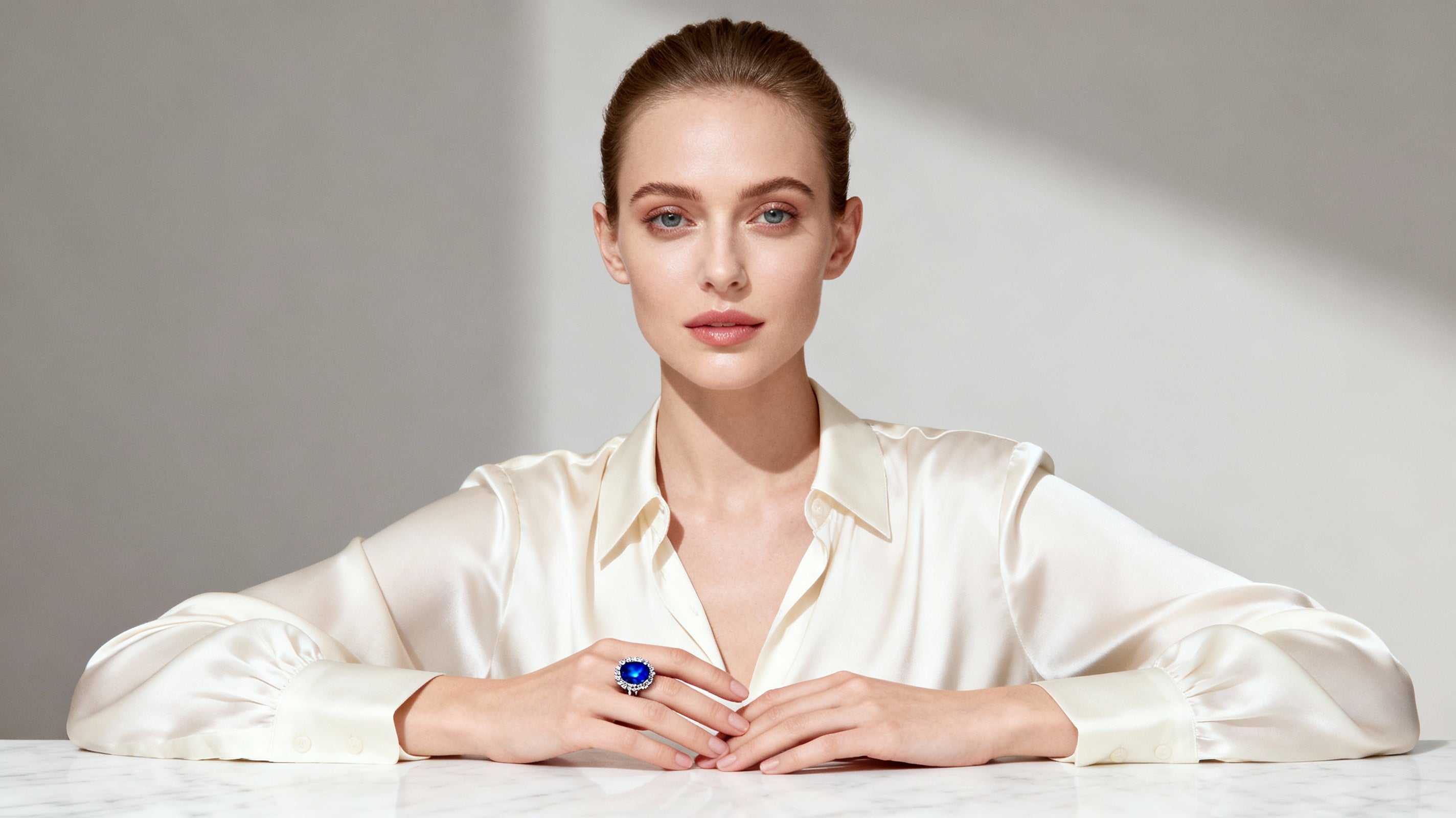
Lab-Created Sapphire Gifts for Mother’s Day: Honor Mom with Timeless Beauty
A sapphire gift for Mother’s Day carries the quiet authority of a gemstone cherished for centuries, yet lab-created sapphires add a modern dimension: remarkable beauty with exceptional consistency and accessible value. As a jeweler and storyteller who has helped many families mark their most meaningful milestones, I’ve seen how a thoughtful sapphire—especially one grown in a lab to the same chemistry as nature—can capture a mother’s grace, strength, and enduring love. This guide blends hands-on insight with reputable gem knowledge to help you select, present, and care for a lab-created sapphire she’ll treasure for years.
What Lab-Created Sapphire Really Means
Lab-created sapphire is sapphire—crystalline corundum—grown by human ingenuity rather than geological time. Chemically and physically, it is the same material as mined sapphire. In practice, that means the same color possibilities, the same luster, and the same everyday resilience. According to AotuJewelry, lab-grown and natural sapphires share identical chemical and physical properties, so the way you clean and care for them is the same. In my studio, that equivalence shows up clearly at the bench: a lab-grown blue with excellent saturation takes a polish the way its mined counterpart does, and both stand up well to daily wear when properly set.
Sapphire’s hardness on the Mohs scale is 9, a key reason it excels in rings, pendants, and everyday earrings. Some guides describe sapphire as second only to diamond, while others place moissanite between diamond and sapphire. LEIBISH notes sapphire ranks behind diamond at 10 and moissanite at 9.5. The variation comes down to whether the comparison includes moissanite as a jewelry-market benchmark. If you want to be exact for your own peace of mind, ask your jeweler to show you a hardness chart they rely on for everyday bench work to confirm how they present it.

Why Sapphire Speaks So Well for Mother’s Day
Sapphire’s global symbolism—wisdom, loyalty, steadfast love—translates beautifully to motherhood. LEIBISH underscores sapphires’ historic stature among the classic precious gemstones and their breadth of colors beyond blue, including pink, yellow, orange, green, purple, and color-change varieties. That flexibility lets you align a hue with her personality: a serene deep blue for timeless elegance, a joyful yellow for sunny optimism, a romantic pink for tenderness, or a rare padparadscha’s peachy glow for tranquil grace.
Birthstone traditions also lend meaning. A product summary on Amazon highlights that wearing gemstones as symbols of well-being dates to antiquity, with European birth-month associations crystallizing in the early 15th century. While product pages sometimes romanticize history, the core point remains true in modern gifting: gemstone color and symbolism personalize the moment. If you’re curious about the historical details behind any claim you see on retail pages, ask your jeweler for the reference they use in-store when explaining birthstones.
Gift Ideas That Meet the Moment
Chatham Created Gemstones and Diamonds frames a lovely way to match a gem to a motherhood chapter. For new mothers, champagne sapphire is presented as a symbol of love and acceptance—its warm effervescence reads beautifully in a pendant that rests over the heart. Grandmothers, keeper of family lore, can be honored with padparadscha sapphire for its peaceful, enlightened aura, or with a classic deep-blue sapphire ring celebrating truth and faithfulness. Their guidance suggests alexandrite and emerald for other stages too, and while those stones are meaningful in their own right, sapphire remains the most versatile through color, durability, and tradition.
Below is a quick pairing summary distilled from those ideas, with a focus on sapphire’s range.
Mom’s Moment |
Sapphire Choice |
Why It Resonates |
New mom |
Champagne sapphire pendant |
A warm, affectionate tone that reads close to the heart (Chatham). |
Deep-blue stud earrings or bezel pendant |
Durable daily sparkle and a timeless color that pairs with work and weekend. |
|
Grandmother |
Padparadscha ring or classic blue ring |
Peaceful, wise presence or traditional truth and faithfulness (Chatham). |
If you adore the romance of star sapphires or the surprise of color-change sapphires, LEIBISH points to both as distinctive options. In hand, a star sapphire with crisp asterism becomes a story every time she tilts her hand under light.

Lab-Created vs. Natural: The Essentials
From a wearer’s perspective, lab-created and natural sapphires behave the same. The differences live in origin story, price accessibility, inclusions, and certain care nuances for complex settings.
Aspect |
Lab-Created Sapphire |
Natural Sapphire |
Origin |
Grown in controlled conditions |
Formed over millions of years |
Chemistry & Hardness |
Corundum; Mohs 9 (AotuJewelry) |
Corundum; Mohs 9 (LEIBISH) |
Color & Appearance |
Full range available; consistency is common |
Full range; subtle inclusions and zoning possible |
Inclusions |
Often minimal or controlled |
May have inclusions; can still be valuable (LEIBISH) |
Care |
Same as natural |
Same as lab; if visibly included or treated, avoid ultrasonic (AotuJewelry) |
Price & Availability |
Typically more accessible and consistent in supply |
Wider variance linked to rarity, treatment, and size (LEIBISH) |
An overlooked nuance is how color is judged. For colored gemstones, LEIBISH emphasizes that color—hue, tone, and saturation—takes priority over clarity, carat, and even cut. Cut still matters because it influences color return, and stones with a pronounced see-through “window” at the center can look pale and cost less. When you’re shopping in person, rotate the gem under different lights and look for an even, lively color without a dead center.
How to Choose a Quality Lab-Created Sapphire Gift
Begin with color. Decide if you want classic blue, a softer pastel, a warm champagne tone, or something rare like padparadscha. Then evaluate how the color performs. On the bench I like to view sapphires beneath neutral daylight and soft indoor light. A fine stone feels saturated yet not inky, bright yet not washed out, with the crown facets lighting up as you rock it.
Next, pay close attention to cut. Even lab-grown stones can vary in facet proportions. The goal is a center that returns light rather than a window that allows you to see straight through with little color bounce. If a cabochon calls to you, look for symmetry and a smooth dome; in star sapphires, the rays should be sharp and centered.
Consider clarity third. For faceted sapphires, eye-clean is a sound target without obsessing over microscopic features, because, as LEIBISH notes, discreet inclusions are acceptable when color is compelling. If you’re choosing a star sapphire, the silk-like inclusions are what create the star in the first place.
Think through the setting and metal. For daily wear, protective designs like bezels or low-set prongs help. In my repairs drawer, the most common preventable issues come from thin prongs on rings that see daily keyboarding, gardening, or gym time. Heavier prongs or a bezel can prevent nuisance repairs, especially for moms who use their hands constantly.
Finally, when a product page lists quality labels such as “AAAA,” treat them as marketing shorthand rather than universal grades. A current Amazon listing uses “AAAA quality” language for a lab-grown blue sapphire pendant; retailers define those tiers differently. If the label matters to you, ask what specific color, cut, and clarity criteria underpin the claim, and request the shop’s written grading standards or a third-party evaluation.
Care That Preserves Brilliance
Sapphires—lab-grown or natural—are resilient, not invincible. AotuJewelry recommends gentle, regular at-home cleaning with warm water and mild dish soap. I follow a simple routine that mirrors their guidance and aligns with the GemsMagic care schedule. Fill a small bowl with comfortably warm, soapy water. Let the piece rest long enough to loosen the lotion and oil that settle behind a stone. Use a soft-bristled toothbrush to reach under prongs and around galleries with a light hand, rinse thoroughly, then pat dry with a lint-free cloth. When I demonstrate this for clients, the reveal is almost always the same: the stone looks brighter not because it changed, but because the film around it left.
Daily habits matter. Remove rings before heavy chores, workouts, swimming, or anything involving cleansers and chlorine, as emphasized by both AotuJewelry and GemsMagic. Put jewelry on after lotions, sunscreen, and perfume. Store each piece in its own pouch or soft box compartment to avoid contact scuffs; a sapphire can scratch softer gems and metals.
Professional care is insurance for sparkle and security. AotuJewelry suggests at least an annual inspection to check for worn prongs and deep-clean buildup. GemsMagic recommends every six to twelve months for pieces worn daily. The range isn’t a contradiction; it reflects usage and setting style. For a busy mom who rarely takes her ring off, plan a jeweler’s visit every six to twelve months; for occasional wear, once a year is sufficient. The first thing I check is prong integrity, because nearly every lost stone story begins with a prong that loosened and went unnoticed.
Can You Use Ultrasonic or Steam?
This is one of the most misunderstood topics in gemstone care. AotuJewelry notes that ultrasonic cleaning can be generally safe for lab-grown sapphires, provided the setting itself is sturdy and the piece isn’t ringed with fragile accent stones. For natural sapphires with visible inclusions or for stones that have undergone certain treatments, avoid ultrasonic altogether. Steam adds both heat and force; in my workshop I reserve it for robust, well-built settings after a visual inspection. When in doubt, ask your jeweler to examine the piece before using mechanical cleaning.
A small but important discrepancy to understand: some guides imply sapphire shrugs off any cleaning method by virtue of being hard. Hardness resists scratching; it does not guarantee stability under heat, shock, or chemical exposure. That’s why the conservative approach of warm, soapy water, a soft brush, and a thorough rinse remains the gold standard across sources.
Pros and Thoughtful Considerations
The advantages of lab-created sapphire for Mother’s Day are compelling. You get the same real sapphire beauty with resilient daily-wear performance and often more immediate access to the exact color or size you want. Chatham Created Gemstones and Diamonds emphasizes responsible practices and offers a Lifetime Warranty on their lab-grown colored gems, a comfort for gifters who want aftercare assurances. The ability to choose fine make and matching stones for earrings or station necklaces is also easier with lab-grown, because color and clarity consistency can be produced more predictably.
The considerations are more about alignment than drawbacks. If origin story matters deeply to her—if she loves the romance of geology—then either be transparent that the stone is lab-grown or pair the gift with a note celebrating the design, the color choice, and the story you are writing together. If a retailer uses in-house grading like AAAA, ask for the basis of the label so you can compare apples to apples. And if you’re choosing a ring for a mom who never takes jewelry off, select a sturdy setting with an easy maintenance path, because long-term joy is as much about design as it is about the stone.
A Price and Rarity Reality Check
LEIBISH outlines how the price of sapphire varies widely with color, saturation, treatment, cut, size, and shape, with historic auction pieces commanding extraordinary figures. While that perspective addresses mined sapphires, the takeaway carries over to gift planning: define what matters most to you—color punch, size presence, or a specific style—and let that priority guide the budget. Lab-created sapphires typically make larger, vividly colored center stones feasible at more approachable price points, which is one reason I recommend them for milestone gifts like Mother’s Day when you want a strong visual statement in a beautiful, everyday-wearable design.
Overlooked Nuances That Help You Buy Smarter
There are a few subtle points that many guides skim, and knowing them helps you choose with confidence. First, hardness charts sometimes disagree about sapphire’s rank relative to moissanite. AotuJewelry describes sapphire as second only to diamond; LEIBISH notes moissanite at 9.5. The likely cause is whether the chart includes moissanite as a reference material. If precision matters, request the hardness reference your jeweler uses. Second, ultrasonic cleaning is often described as universally safe for sapphire; AotuJewelry clarifies that setting integrity and the presence of inclusions or treatments change the answer. I advise a quick magnified inspection before any mechanical cleaning. Third, product labels such as AAAA sound authoritative, yet they are not standardized across brands. A current Amazon listing uses this language, and the practical step is to ask a retailer to define its criteria in writing or show you how it maps to the color, clarity, and cut you see in hand.

The Joy Is in the Details: Setting and Style Tips
For new moms who spend nights rocking and days juggling, comfort and security beat complexity. Low-profile rings with rounded edges and protective bezels keep snagging at bay. Pendants and studs concentrate sparkle without getting in the way of daily routines, and a champagne sapphire pendant can feel both tender and celebratory. For grandmothers, a classic blue sapphire ring with balanced proportions honors heritage and pairs seamlessly with the jewelry they already love; Chatham also highlights padparadscha as a meaningful symbol of peace and enlightenment.
If she is a minimalist who loves clean lines, a single vivid stone in a sleek bezel tells a beautifully modern story. If she adores vintage romance, a sapphire center framed by lab-grown diamond accents brings drama without sacrificing durability. When clients ask how to “size the moment,” I suggest starting with color meaning and lifestyle, then letting budget and metal choice follow.
Care Schedule at a Glance, Without the Guesswork
You can keep care simple and consistent. Clean at home with warm, soapy water whenever the stone looks dull from lotions or daily life. Dry with a lint-free cloth and store pieces separately in a soft-lined jewelry box or pouch. Plan a jeweler’s check at least once each year, and if she wears the piece daily, consider every six to twelve months as GemsMagic advises. If you ever notice a prong snagging fabric or hear a faint rattle when you gently tap the ring near your ear, stop wearing it and drop by the jeweler; a micro-adjustment now prevents a heartache later.
FAQ
Are lab-created sapphires real gemstones?
Yes. Lab-grown sapphires are the same material as natural sapphires—crystalline corundum—with identical chemical and physical properties, as AotuJewelry notes. The difference is origin, not composition or inherent durability.
Can I use an ultrasonic cleaner on sapphire jewelry?
Sometimes, but not always. AotuJewelry explains that ultrasonic can be generally safe for lab-grown sapphires when the setting is sturdy and accents are not fragile. For natural sapphires with visible inclusions or stones that may be treated, avoid ultrasonic. When unsure, let a jeweler inspect the piece first.
What is the safest way to clean a sapphire at home?
Use warm water with a drop of mild dish soap, a soft toothbrush to lift residue under prongs, a thorough rinse, and a lint-free dry. This gentle method is endorsed by both AotuJewelry and GemsMagic and is the same for natural and lab-grown sapphires.
Is sapphire the hardest gem after diamond?
Some guides say sapphire is second only to diamond; others place moissanite between the two. LEIBISH cites moissanite at 9.5 on the Mohs scale, sapphire at 9. The difference stems from whether the chart includes moissanite. If you need a definitive answer from your seller, ask to see the hardness table they use in-store.
Do brands really offer lifetime warranties on lab-grown colored stones?
Some do. Chatham Created Gemstones and Diamonds indicates a Lifetime Warranty on their lab-grown color gemstones. If a warranty matters to you, ask the retailer to explain what’s covered and how service works in practice.
What does “AAAA quality” mean on a product page?
It is a retailer’s descriptive label, not a universal grading system. An Amazon product summary uses “AAAA” for a lab-grown blue sapphire pendant. If a label influences your choice, request the specific criteria behind it and compare those to the color, cut, and clarity you see.
Takeaway
A lab-created sapphire is a powerful Mother’s Day gift because it unites beauty, durability, and meaning in a way few gems can. Chemically identical to mined sapphire and cared for in the same way, it offers you the freedom to pick the perfect color and design for her life today, while honoring the love that made you choose a gemstone meant to last. Trust your eye for color, your fingers for practicality, and your jeweler for setting security and aftercare. When those three come together, the result is not just jewelry—it’s a legacy she can wear every day.
References
- https://www.gia.edu/gia-news-research-Sapphire-Series-Introduction-to-Sapphire-and-Synthetic-Sapphire
- https://www.grownbrilliance.com/lab-grown-sapphire-jewelry
- https://www.krikawa.com/lab-created-sapphires?srsltid=AfmBOooROsh6DN1D3arYL5LZOTmkeO-i33iJGwXCqYBwo2duuUwLaNpX
- https://amandafinejewelry.com/the-ultimate-guide-to-lab-grown-sapphire/?srsltid=AfmBOooF18WcDlF7GJ1iDmMSPbed35qNcQcf_FUkUbq1QdNy9p3MAJGx
- https://www.angara.com/c/lab+grown+blue+sapphire-jewelry?srsltid=AfmBOopXxbKo3k7vwYJX7mvOD5LAoxtkTYWkXgaI7c5_Pl3M5sNqX2Mb
- https://blog.chatham.com/gift-mothers-day-jewelry-unique-to-her-mom-moment/
- https://www.diamondere.com/mothers-day/lab-created-sapphire-mothers-day?srsltid=AfmBOoqqrnA8MQPm8g363kLiFV9FAAsGsfBfXs4Xs1_L6M18CevhqOkQ
- https://www.doamore.com/lab-created-sapphire-vs-natural-sapphire-you-need-to-know/?srsltid=AfmBOorj5_Ez9mDszoP4b5Z8QPYoZDEtQ8G4V8AJzZZsSnix_AVh2m73
- https://www.etsy.com/market/lab_created_diamond_and_sapphire_jewelry
- https://blog.gemsny.com/lab-created-sapphire-jewelry-colorful-affordable/